Flatness Standard Assessment
Quantitative planar inspection of rigid printed circuit boards relies on standardized physical measurements to verify flatness specifications. The IPC TM 650 warpage test is a standardized industry test procedure used to measure bow and twist percentages in bare and assembled circuit boards. It evaluates board flatness by measuring maximum vertical displacement from a flat surface plate relative to board length and diagonal dimensions.
The method applies to rigid double-sided and multilayer printed circuit boards but excludes flexible circuits.
Bow Measurement Procedure
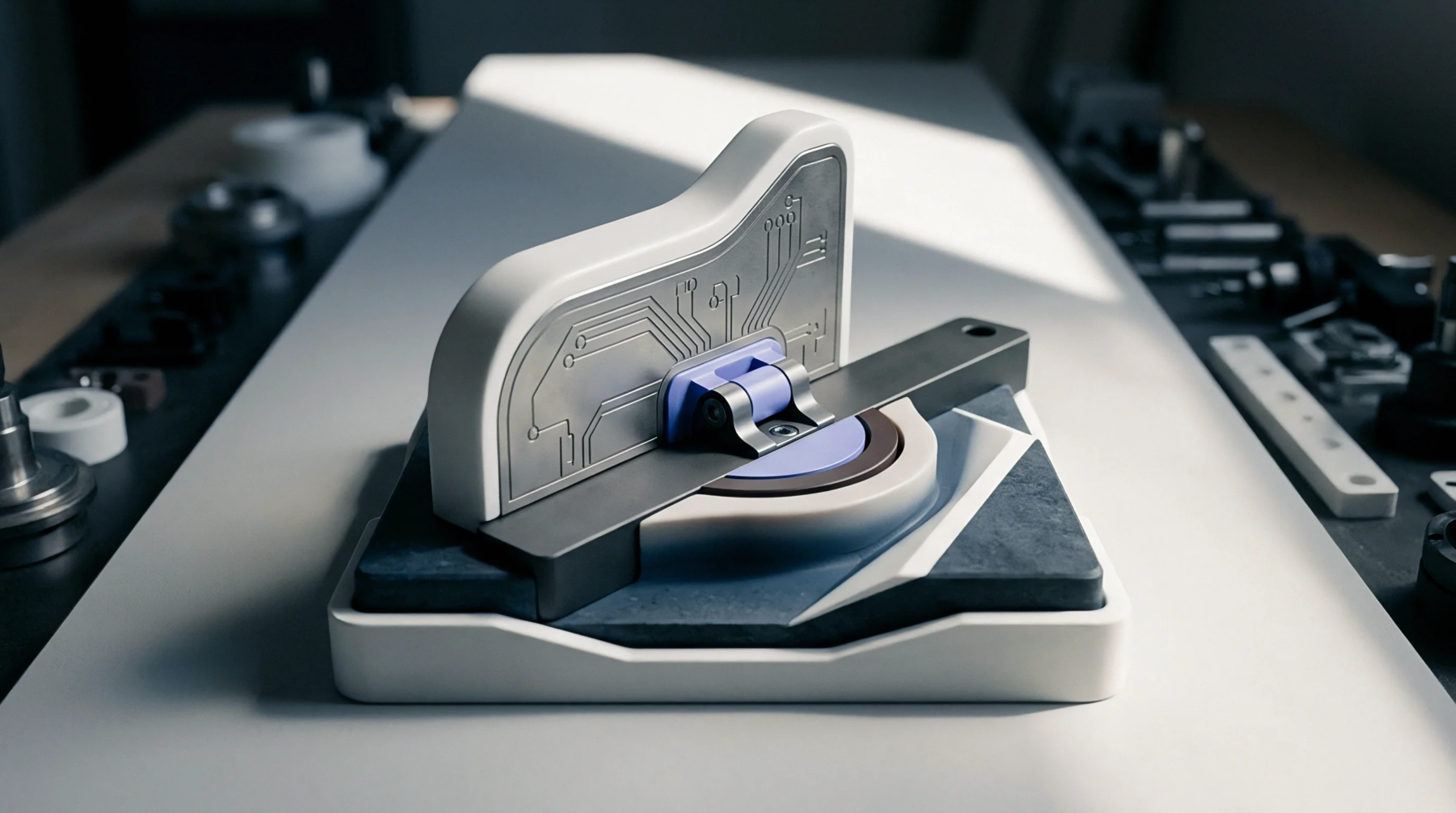
Board flatness deviations stem from asymmetrical copper layout designs, non-uniform lamination stress, thermal mismatch between material layers and moisture absorption. To perform the test, an operator places the circuit board on a precision granite surface plate with the convex side facing upward. A dial indicator or feeler gauge measures the maximum vertical distance between the surface plate and the board surface.
The IPC TM 650 warpage test calculates the bow or twist percentage by dividing this vertical distance by the board length or diagonal length, multiplying by one hundred to determine spec compliance.
Tolerance Threshold
Standard industry acceptance limits set maximum allowable bow and twist at zero point seven five percent for boards with surface mount components. The IPC TM 650 warpage test provides the baseline verification metric used to accept or reject panels during incoming inspection at assembly plants.