Alignment Accuracy
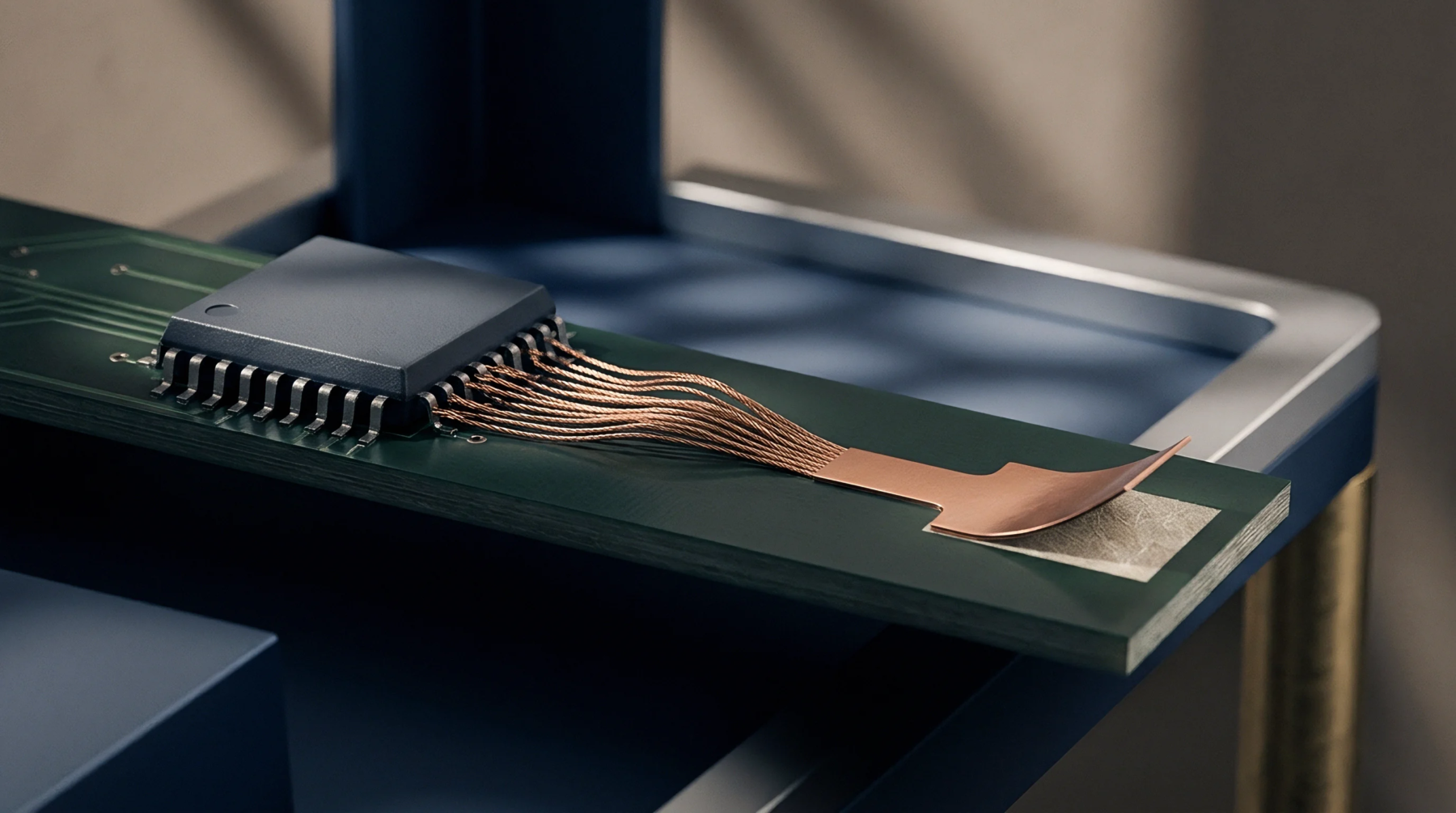
Positional tolerance between internal copper layers and external features dictates the electrical performance of high density interconnect boards. Lamination registration defines the specific mechanical alignment of inner layer core materials relative to the drilling pattern during the bonded stack production phase. Excessive shifts in this spatial relationship create open circuits or short circuits by causing drill bits to wander outside intended annular ring boundaries.
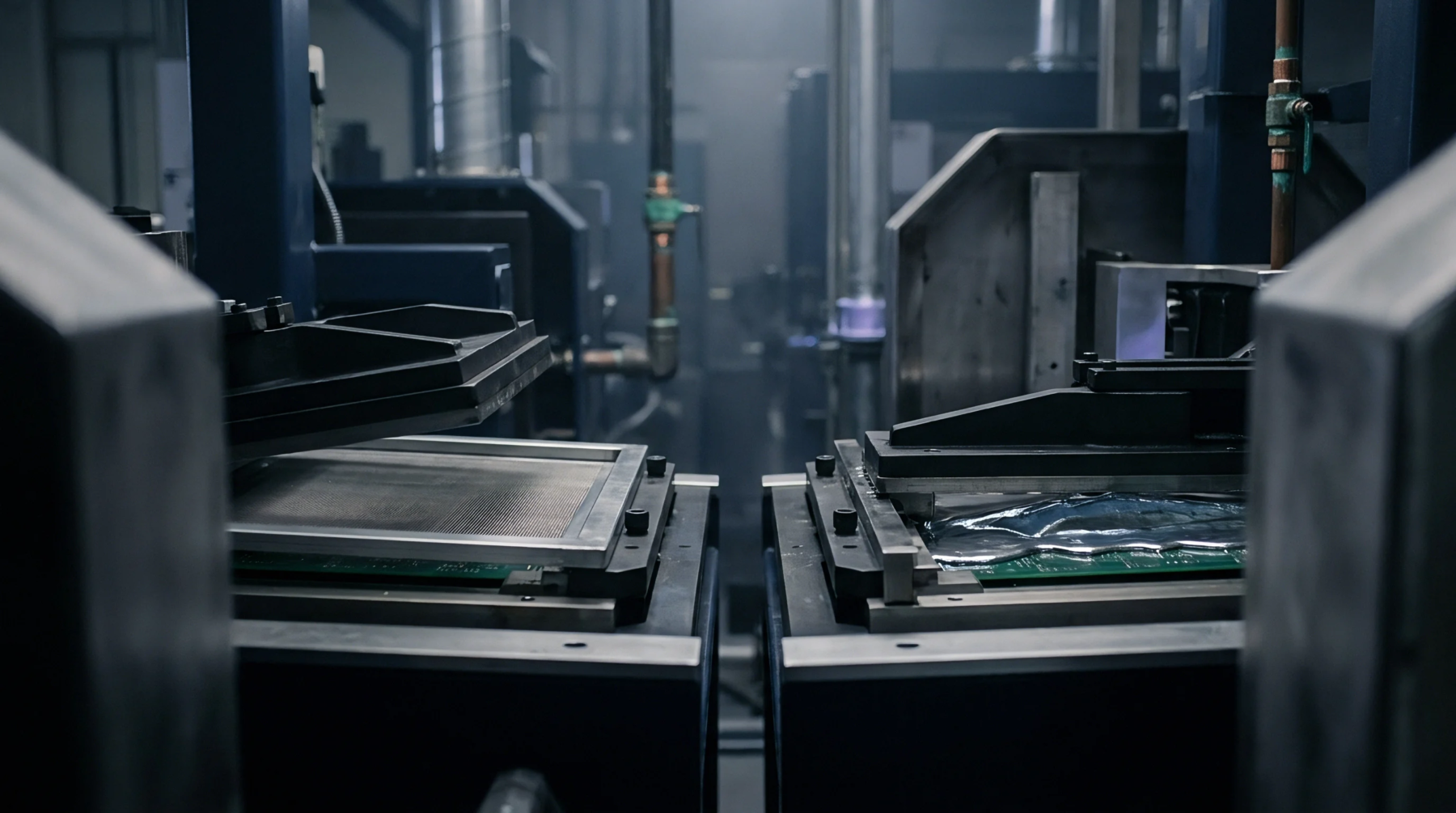
Copper foils and prepreg sheets require thermal stabilization to minimize dimensional distortion before they enter the press cycle. Variations in heating rates across the laminate surface cause glass transition shifts that lead to registration errors.
Process Control
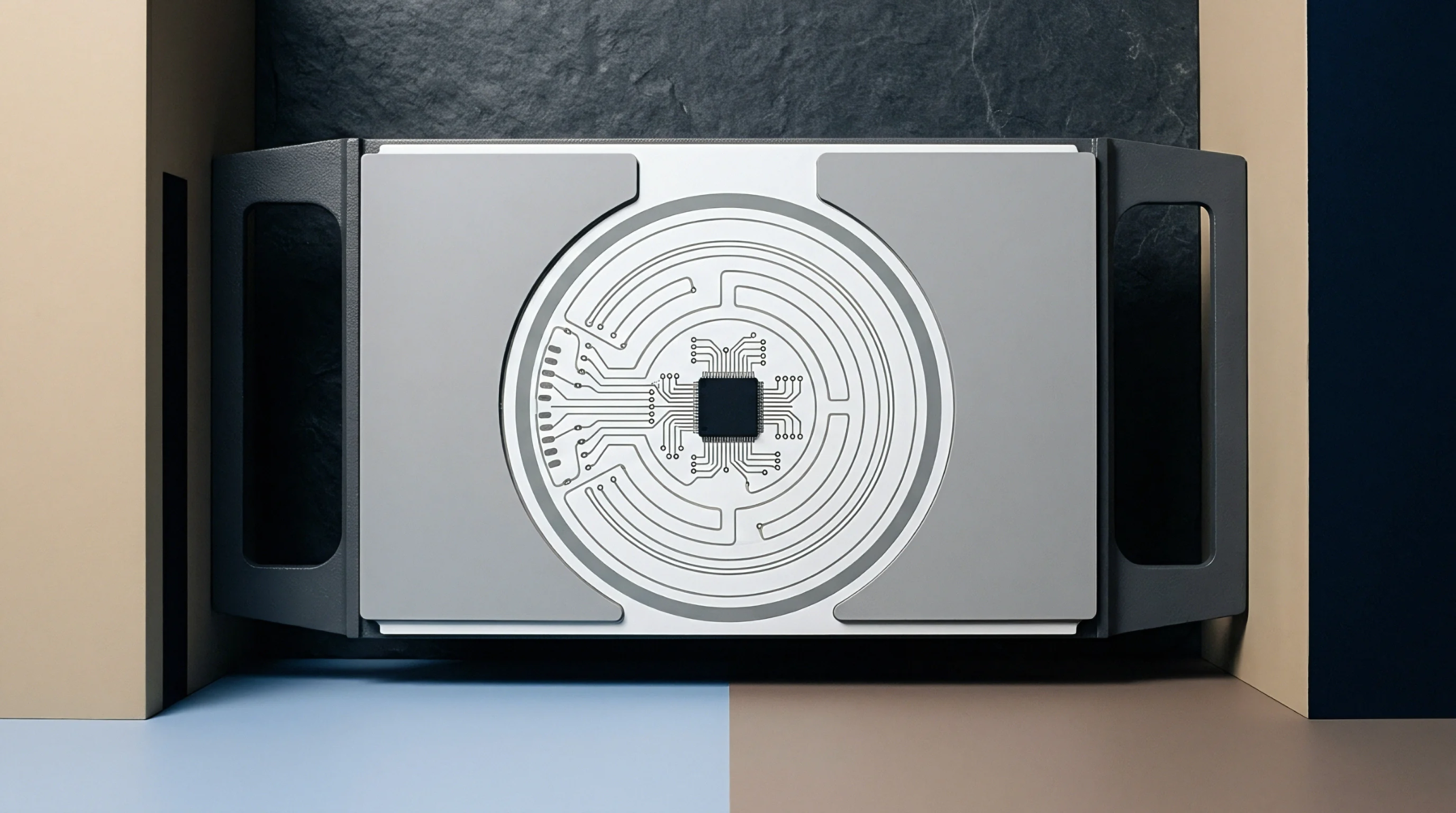
Manufacturers employ fiducial markers on tooling plates to verify that each layer occupies its assigned X and Y coordinate space within the multilayer stack. Optical automated systems scan these reference points prior to the application of heat and pressure to ensure the alignment pins hold the layers in a fixed orientation. Any detected deviation requires immediate adjustment of the layup stack or the abandonment of the panel before it reaches the final bonding state.
Compensation factors for material shrinkage are calculated based on the specific resin content and fiber weave style used in the dielectric substrates. High frequency circuit designs demand tighter tolerances than standard logic boards because signal propagation speeds depend on the precise geometry of copper traces crossing through the vias.
Quality Threshold
Success depends on the ability to maintain trace and pad centers within the narrow windows permitted by the target board geometry. Deviations that exceed half the width of the smallest available annular ring usually trigger a rejection of the entire batch during post-lamination verification. Inspection results provide the data needed to calibrate the drilling equipment to the actual location of the buried features rather than the theoretical design files.
Constant monitoring of these physical shifts preserves the functional integrity of the interconnected circuit network.