Financial Friction
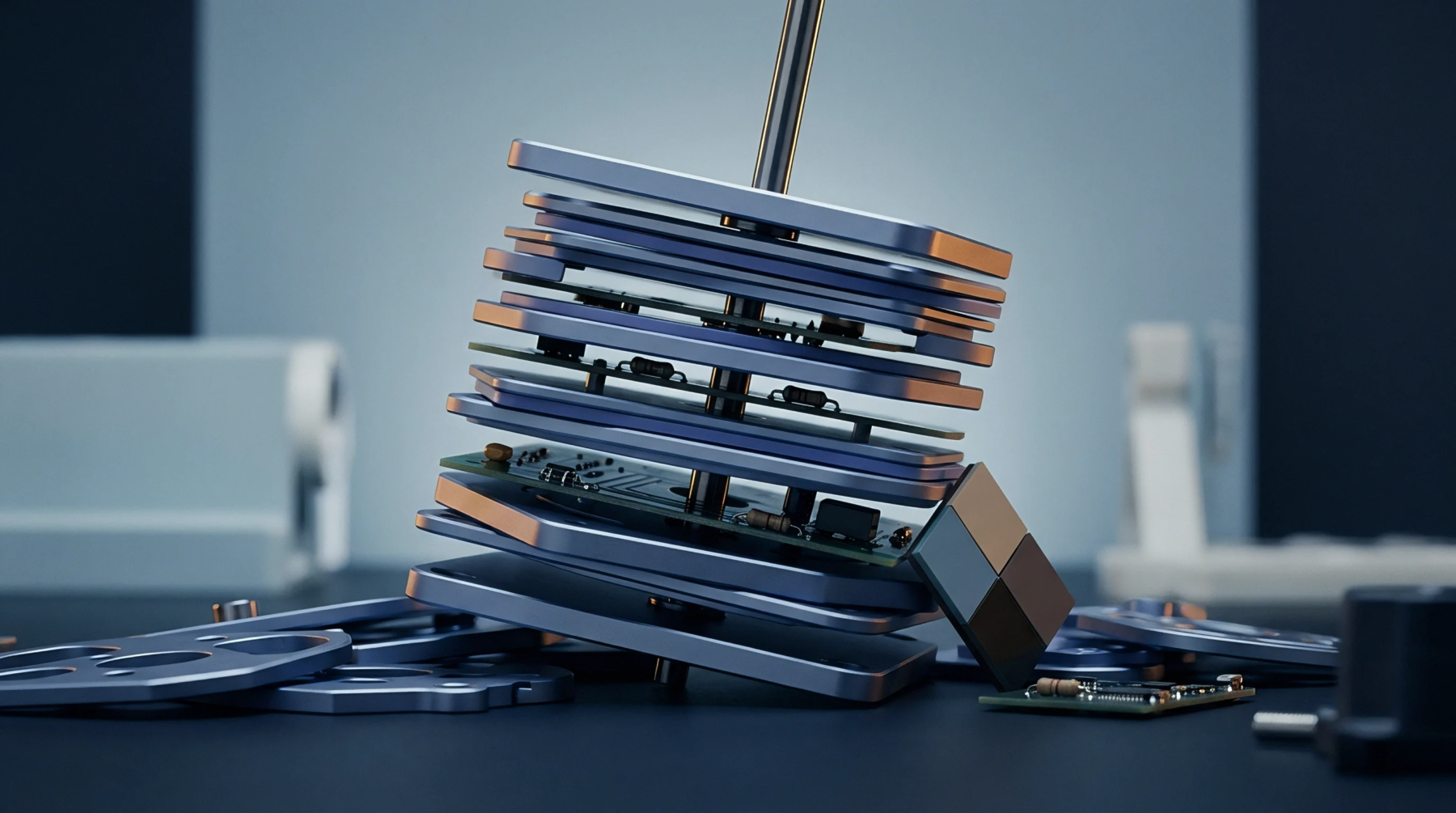
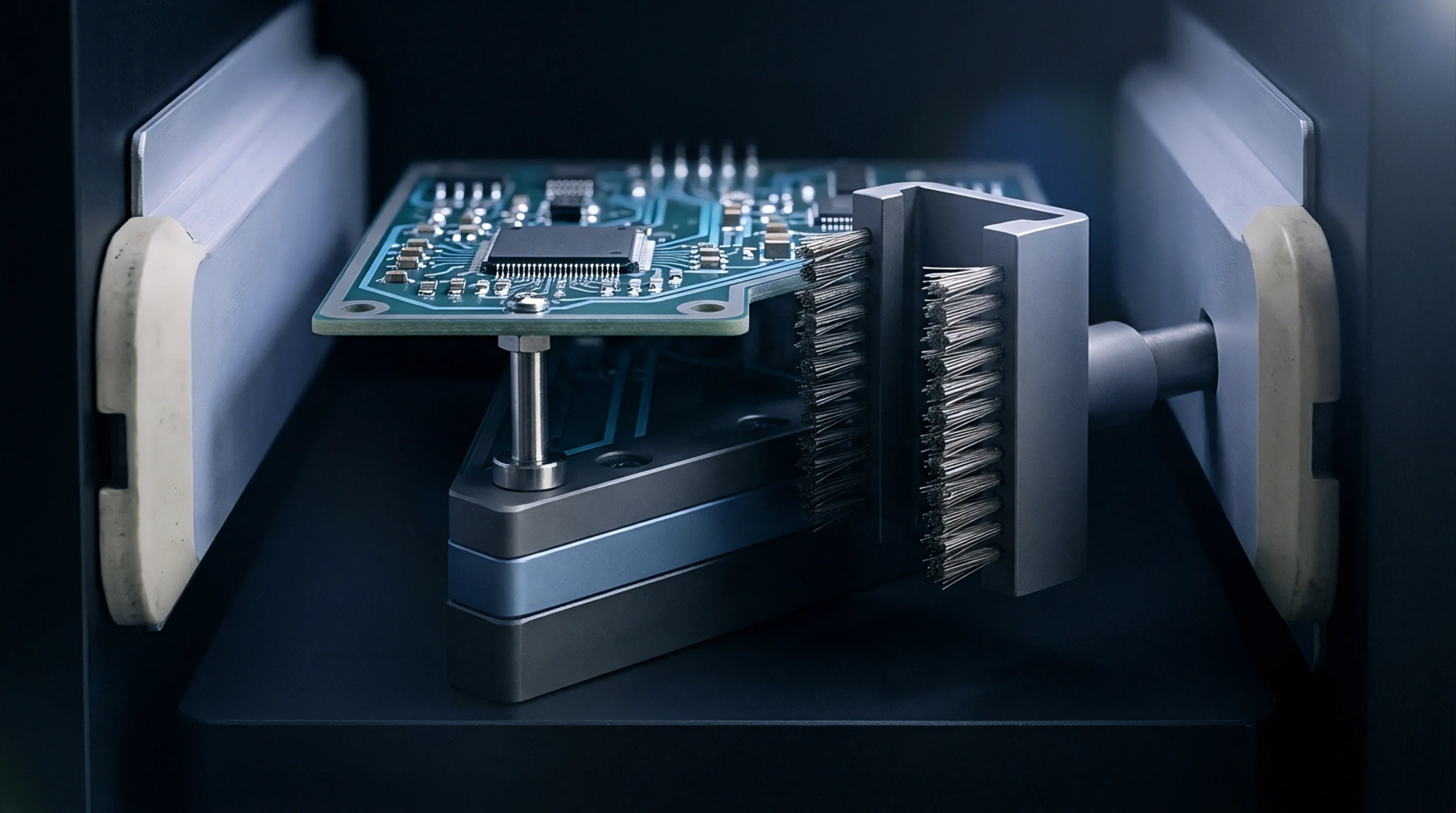
Direct monetary loss during component tear down and setup on surface mount technology placement equipment governs unallocated operational drag in high mix contract manufacturing environments. Line changeover cost accumulates whenever programmable pick and place feeders, stencil printers and reflow profile zones halt production to accept a distinct printed circuit board assembly batch. This metric controls downtime penalties and machine amortization losses arising from feeder calibration routines, vision system reprogramming and solder paste replenishment cycles.
Board fabrication suppliers calculate these monetary expenditures by multiplying idle hourly labor rates of machine operators and engineering support staff by total elapsed minutes required to achieve first article pass yields. Tooling adjustments stop applying once the initial acceptable circuit card passes automated optical inspection criteria and enters steady state production without generating bridging defects or tombstone anomalies.
Downtime Driver
Production scheduling losses multiply during frequent batch switching because fixed overhead continues accumulating while spindle time drops to zero. SMT placement heads sit idle during mechanical feeder swaps and nozzle station cleanings required by component miniaturization shifts. Engineering teams track these losses through thermal profile verification logs and nozzle replacement frequency charts recorded during preliminary test runs.
Solder paste smearing defects increase when operators rush cleaning protocols between fine pitch component trays.
Schedule Variance
Inventory holding charges compound these monetary penalties because raw material kits sit on staging carts waiting for placement machinery to clear preceding production runs. Material handlers transport partial reels back to ESD protected storage racks while incoming component packages wait for staging validation. Quality auditors verify incoming part numbers against bill of materials revisions before authorizing machine operators to load new feeder banks.
Finished goods delivery dates slip downstream when extended fixture adjustments exceed planned maintenance windows.