Fluidic Routing
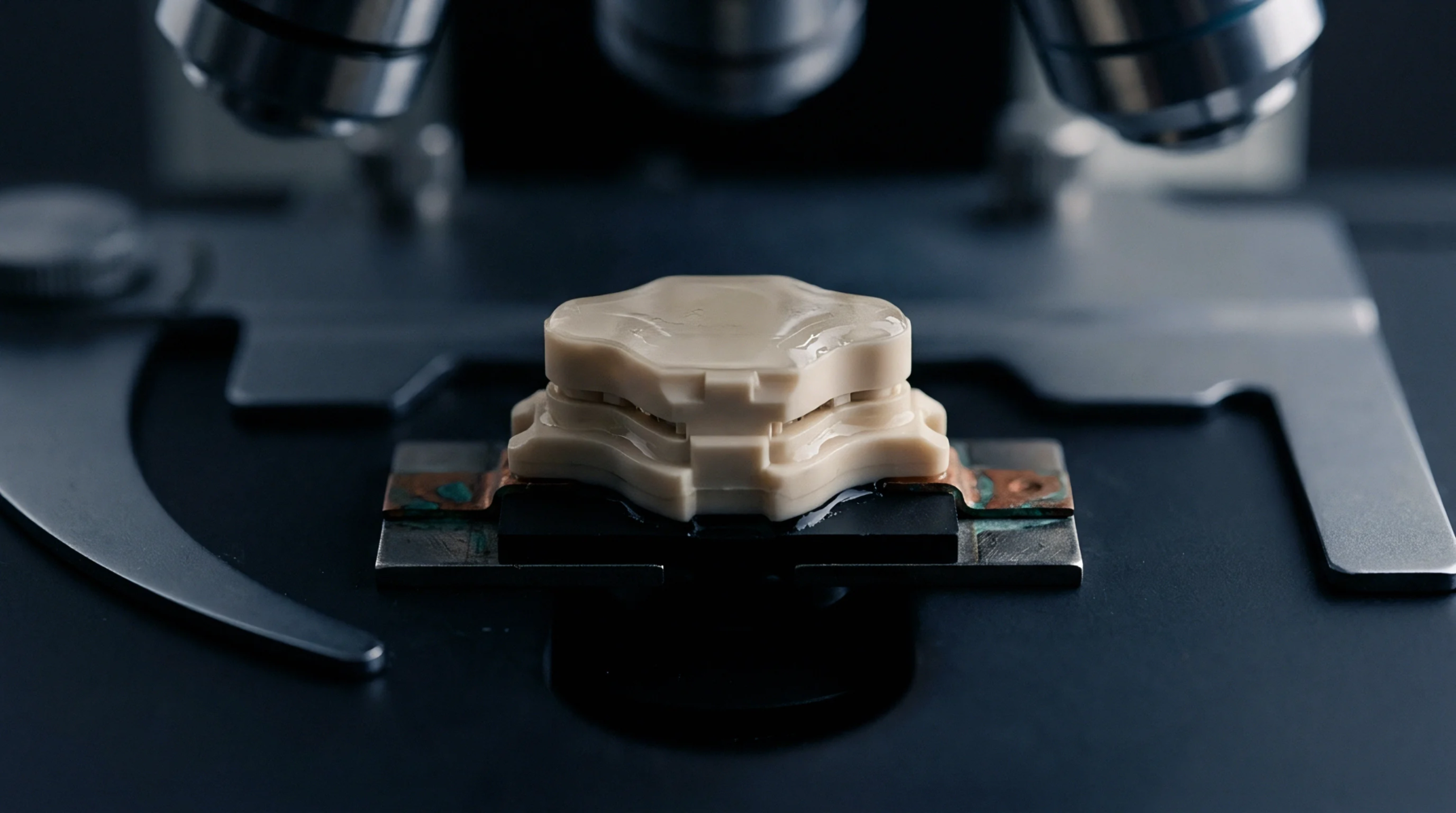
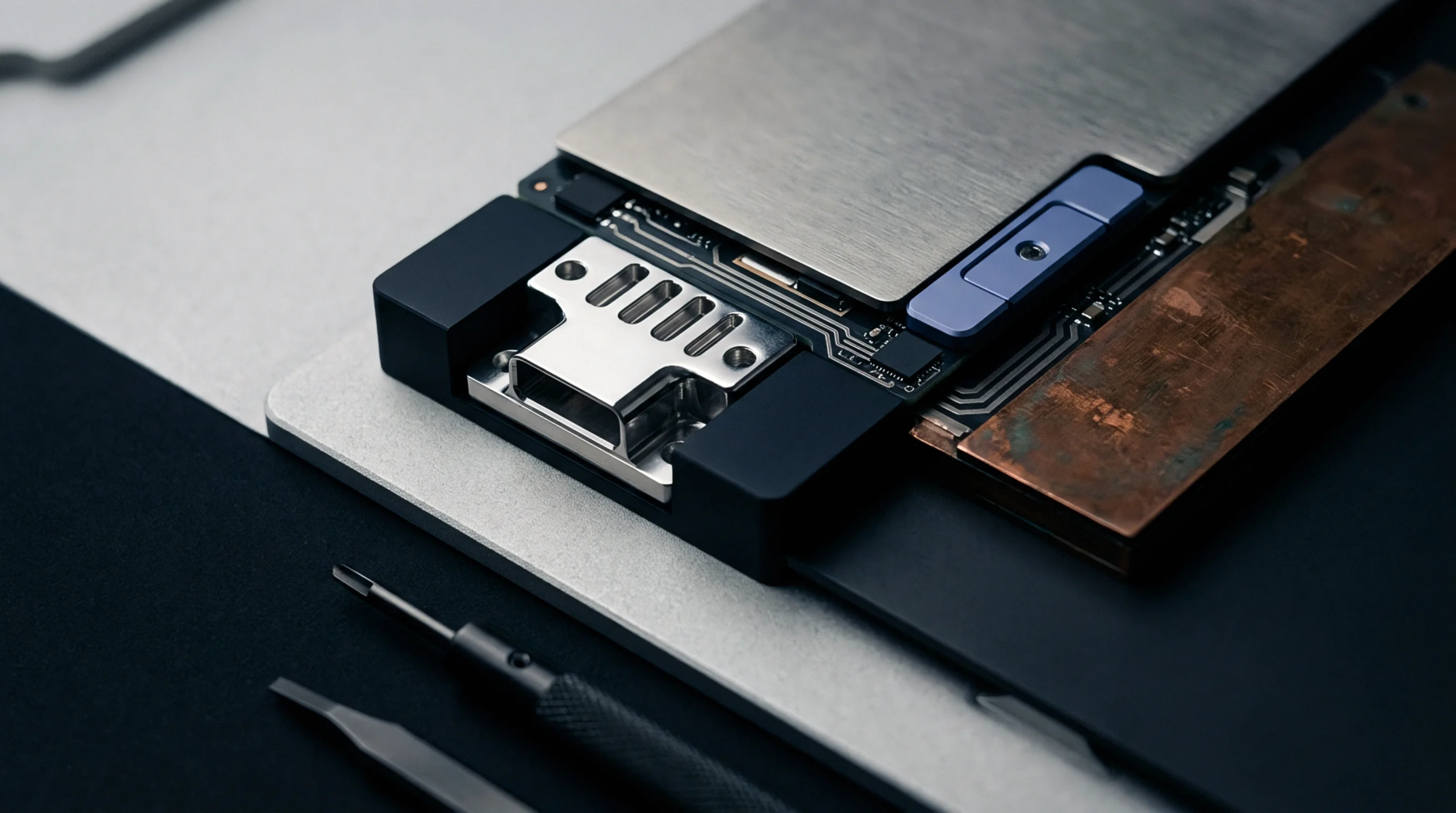
Liquid delivery inside selective soldering hardware depends upon fluidic routing through channels measuring under one millimeter across. A mini wave nozzle is the precision delivery aperture that forms a localized solder pillar for selective soldering of complex circuit boards. Solder alloy passes upward through the restricted orifice under controlled electromagnetic pumping to establish a stable molten column.
Board fabrication shops mount this component within the solder pot assembly to target specific through-hole connections without heating adjacent surface mount components. Thermal management of the surrounding substrate relies entirely on the precise geometry of the aperture because excessive heat transfer damages adjacent laminate layers. Manufacturers machine the internal bore from titanium alloys to resist chemical erosion caused by molten tin and lead mixtures at elevated processing temperatures.
Solder wetting characteristics change rapidly if oxide accumulation restricts the tiny internal channel, which demands automated nitrogen blanket protection during continuous manufacturing shifts.
Aperture Calibration
Orifice diameter tolerances determine the velocity and height of the liquid metal column during production runs. Operators measure the ejection profile using high speed optical sensors to verify that solder contact remains uniform across every circuit board. Calibration protocols require thermal stabilization of the nozzle body before baseline flow rates are recorded for quality assurance logs.
Wear patterns develop along the internal lip after thousands of thermal cycles, changing the hydrodynamic pressure distribution and forcing unscheduled maintenance shutdowns. Fabrication defects in the surrounding solder pot manifold introduce flow turbulence that disrupts the laminar nature of the liquid column. Production engineers adjust the pump current frequency to compensate for minor dimensional variations without replacing the entire hardware assembly prematurely.
Oxide Defense
Solder dross accumulation poses the primary operational risk to miniature flow channels during extended manufacturing shifts. Reactive gas injection creates a protective atmosphere around the molten metal surface to prevent premature oxidation inside the restriction zone. Technicians clear residual dross using specialized ceramic scrapers that fit the internal contours without scratching the precision machined walls.
Molten solder temperature must stay within strict electrical limits to prevent alloy separation while passing through the narrow discharge throat. Surface tension forces dominate fluid behavior at this micro scale, requiring constant monitoring of board preheat profiles to ensure proper wetting action. Mechanical fatigue failure occurs when thermal shock exceeds the yield strength of the mounting brackets during emergency cooling cycles.
Thermal feedback loops regulate heater output to maintain constant viscosity across variable production throughput schedules. Extended exposure to flux residues degrades the internal coating over time, resulting in erratic solder pillar formation and increased defect rates.