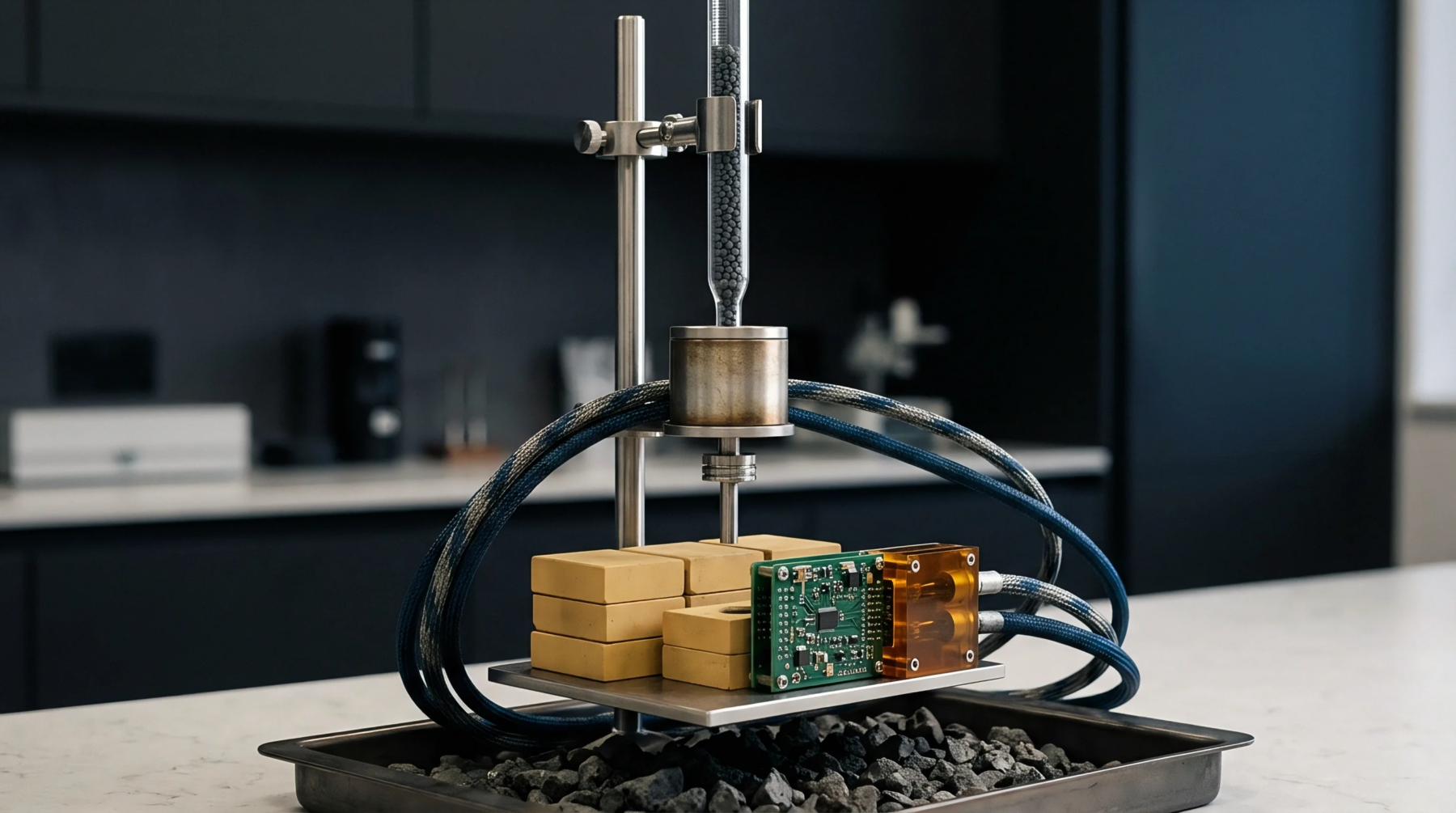
Evaporation Rate
Liquid vehicles used in electronics assembly must be thoroughly removed before components are subjected to high-temperature reflow or curing. Promoting orderly solvent dissipation prevents the formation of voids and pockets of trapped gas within adhesives, fluxes, and protective coatings. This process occurs as the liquid carrier evaporates from the deposited material into the surrounding atmosphere.
The rate of evaporation must be controlled to prevent skinning or bubbling.
Thermal Ramp
Oven preheat zones are specifically configured to manage the rate of liquid evaporation. If the temperature rises too rapidly, the accelerated solvent dissipation can cause the liquid to boil, resulting in solder splatter and component misalignment. A gradual ramp-up allows the volatile compounds to escape gently before the solder alloy reaches its liquidus point.
This controlled heating curve is essential for maintaining solder joint placement accuracy. When volatiles are allowed to escape gradually, the flux remains active and can thoroughly clean the metal surfaces without being prematurely exhausted.
Coating Integrity
Protective layers like conformal coatings require a flash-off period to ensure the solvent escapes before oven curing. Incomplete solvent dissipation before the curing stage can trap solvent molecules under the hardened surface layer. This entrapment leads to pinholes that compromise the insulation resistance of the board.