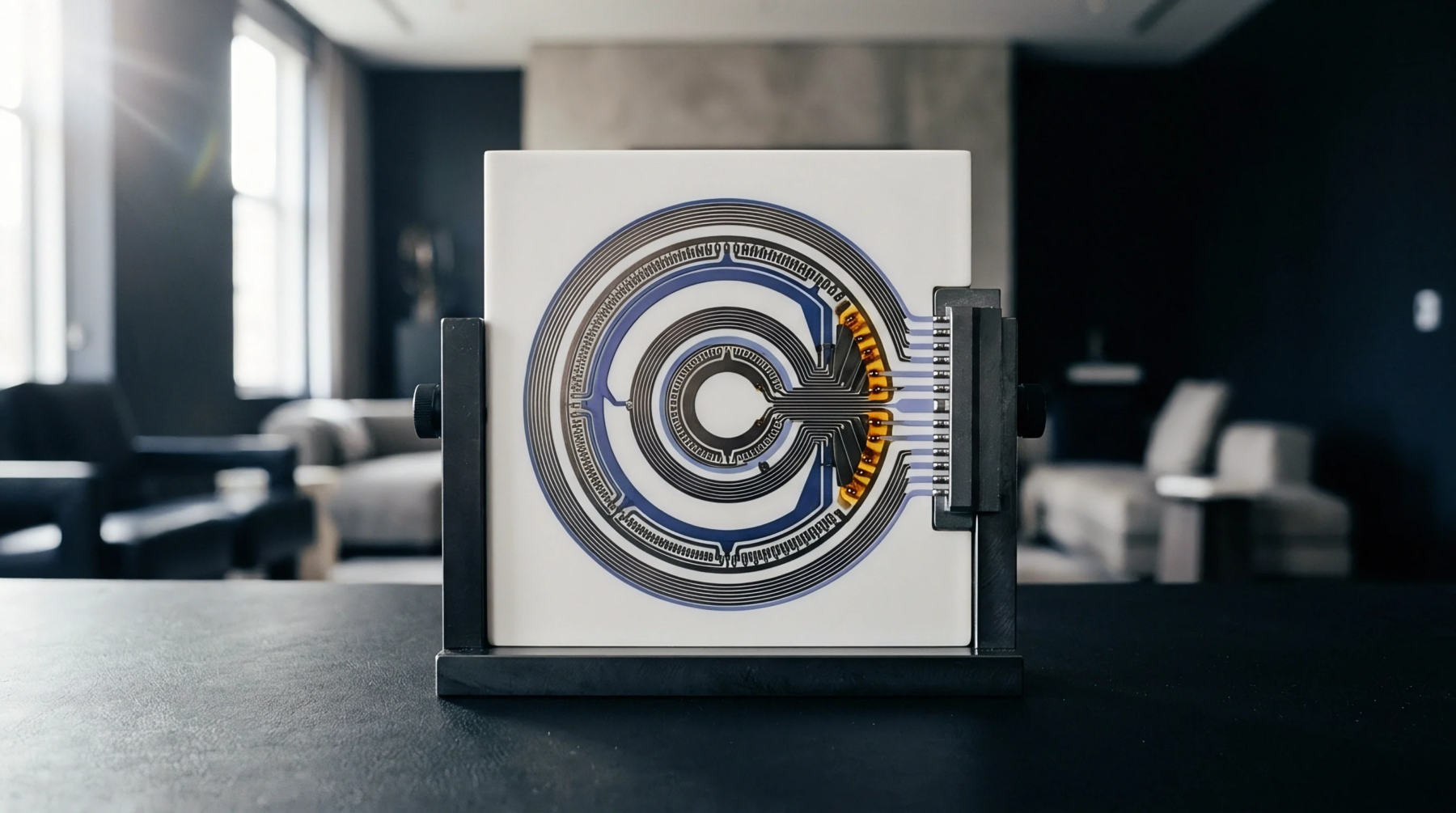
Structural Deflection
Angular displacement across the longitudinal axis of a printed circuit board component occurs when opposing ends undergo rotation in contrary directions during processing. Torsional strain generates internal shear forces capable of compromising the integrity of solder joints or delicate package substrates. Such mechanical deformation arises frequently during wave soldering or high temperature reflow cycles where coefficient of thermal expansion mismatches between materials trigger warpage.
Rigid enforcement of board flatness specifications prevents the excessive twisting that leads to trace fracturing or pad lifting. Technicians monitor these geometries during final inspection stages to ensure the assembly maintains contact alignment. Limits for acceptable deviation depend on the thickness of the board and the density of the component layout.
Material Geometry
Differential heating across a surface induces these forces when the expansion of fiberglass reinforcement clashes with the movement of copper layers. A thin substrate shows higher sensitivity to such rotation because the material lacks sufficient stiffness to resist bending moments. Designers specify glass transition temperature ratings to control the rigidity of the laminate under thermal load.
Higher ratings ensure that the dielectric remains stable while the assembly passes through harsh thermal environments. Testing protocols involve mounting boards in custom jigs to measure total displacement from a reference plane. Calculations based on this measurement verify whether the part meets production standards for assembly stability.
Surface mount machines rely on these flat geometries to place components with the high precision required for modern chip scales.
Failure Mechanism
Excessive rotation causes the fatigue of interconnects which degrades signal path reliability over the expected operating life. Solder balls subjected to constant twisting experience micro-cracking at the interface between the metal and the component lead. Consistent control of these parameters prevents the early termination of electrical conductivity in field applications.
Mechanical stresses accumulate until the weakest point of the assembly breaks the connection entirely. Engineering teams verify the design through cyclic stress tests that mimic operational conditions to guarantee that the hardware remains functional under standard environmental shifts. A stable board architecture provides the base needed for long term electrical performance.