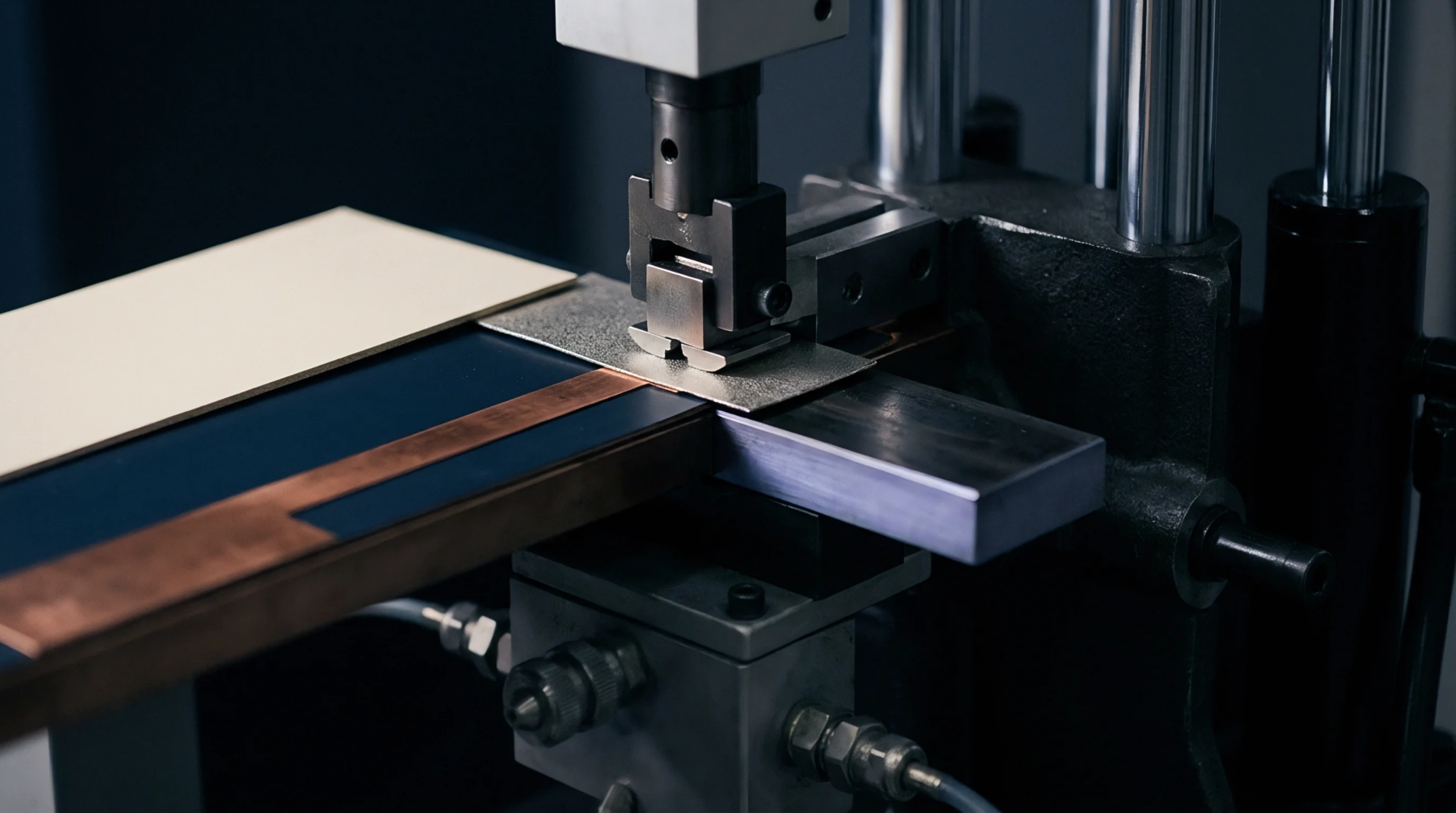
Mechanical Load
Mechanical pressure applied by test fixture pins against target printed circuit board contact pads establishes low-resistance electrical connections during automated testing. Fixture actuators deliver touchdown force to depress hundreds of spring-loaded probes simultaneously against exposed test points. Controlled physical pressure ruptures surface oxidation without deforming thin copper landing pads.
Contact Resistance
Electrical contact resistance decreases non-linearly as probe actuation pressure forces spring pins into target metal surfaces. Applied touchdown force compresses internal probe springs, driving hardened pin tips through non-conductive surface contaminants and oxide films accumulated on target pads. Insufficient mechanical force leaves residual contact resistance, causing false open circuit failures during automated functional testing.
Excessive force bends fragile printed circuit boards, cracking ceramic chip capacitors or damaging internal trace microvias under high pin-density test areas. Mechanical designers compute total actuation load by multiplying individual spring probe force ratings by the total probe count on the bed-of-nails fixture matrix.
Structural Tolerance
Structural push-bar supports and backup plates prevent circuit board flexure under heavy actuation loads. Fixture calibration checks verify uniform pressure distribution across all probe locations prior to releasing test tooling for volume production. Maintaining correct contact force protects probe pins from premature mechanical fatigue and prevents pad cratering on circuit assemblies.