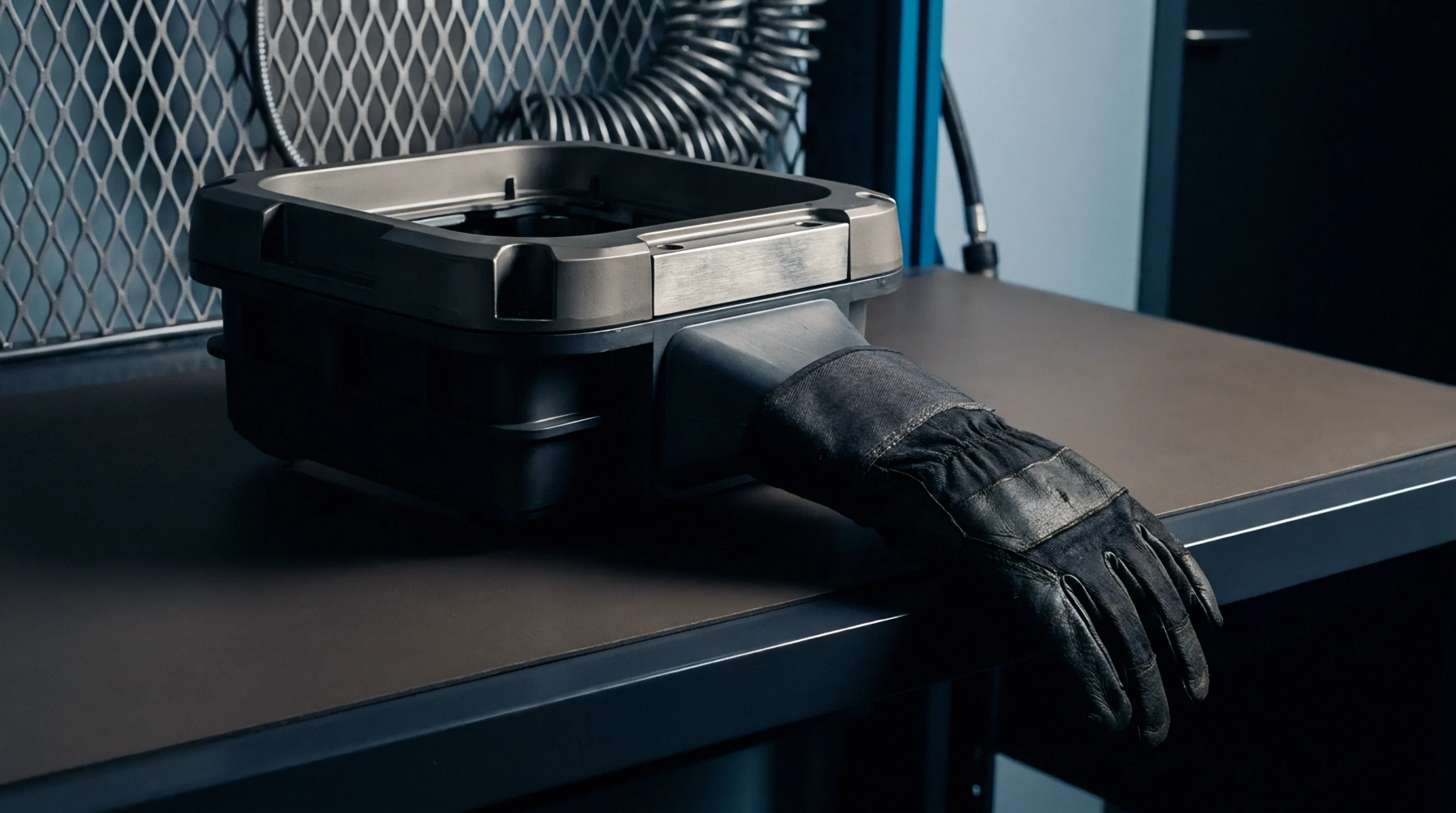
Characterizing Time Dependent Viscosity Recovery Limits in Non Clean Type Four Assembly Formulations
Non-clean Type 4 paste recovery limits demand strict dwell caps to prevent cold slump and stencil clogging on fine-pitch assembly lines.
Non-clean Type 4 paste recovery limits demand strict dwell caps to prevent cold slump and stencil clogging on fine-pitch assembly lines.
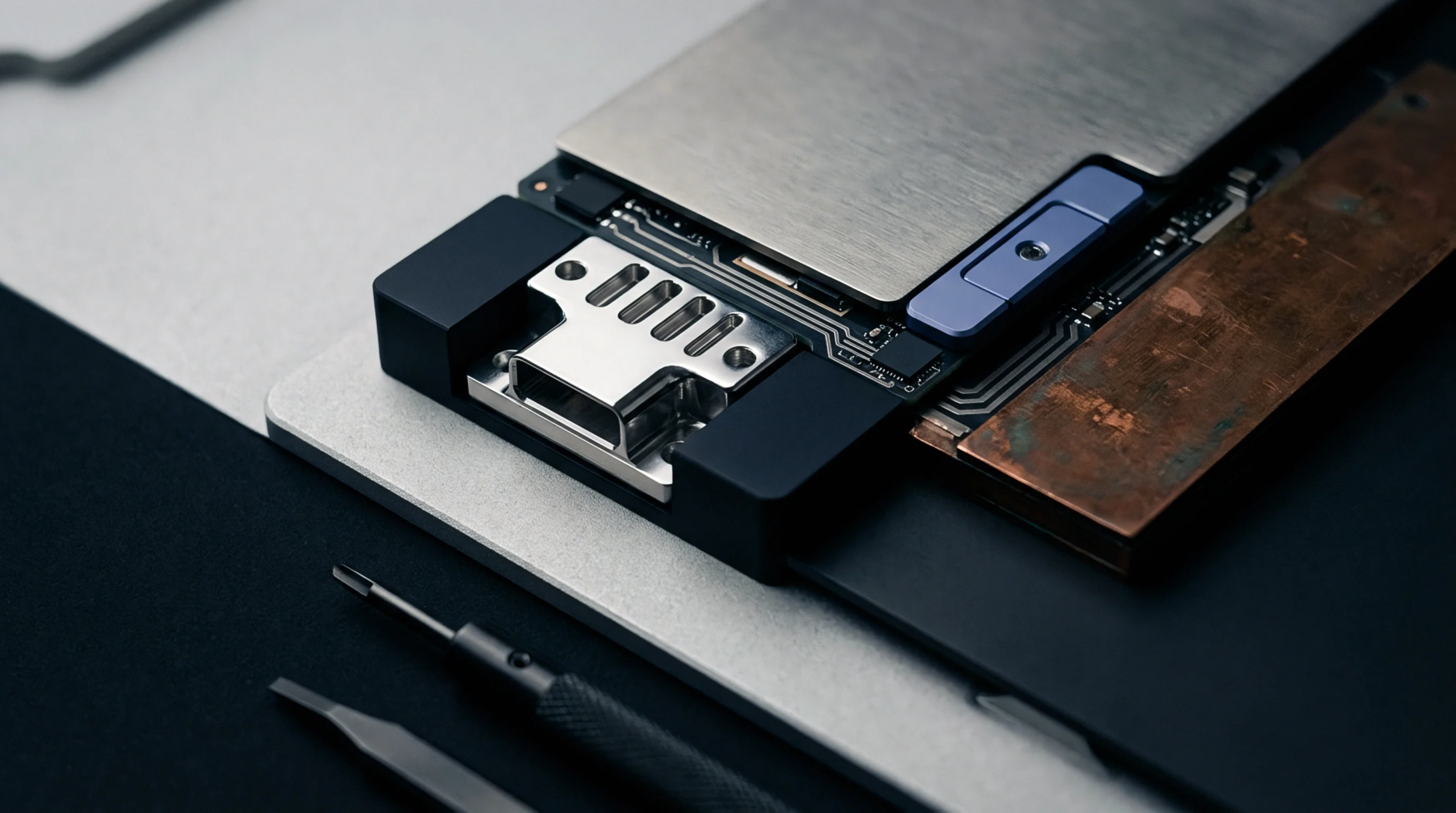
Solder paste transfer efficiency relies on stencil area ratio, wall roughness, and separation velocity to achieve repeatable deposit volumes in fine pitch SMT.
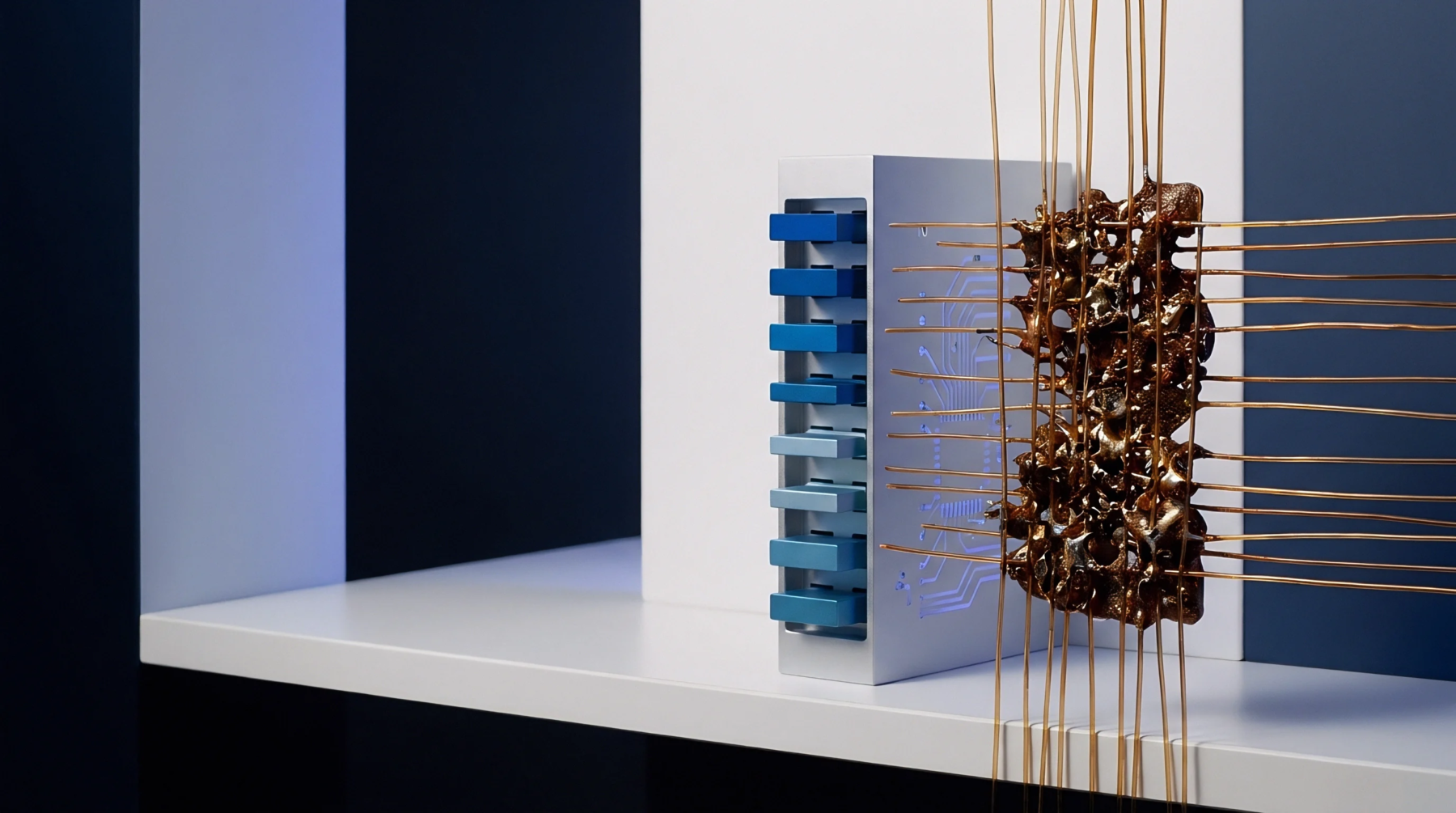
Transfer efficiency below 0.66 area ratio hinges on paste yield stress and wall shear thinning, where oscillatory rheology separates printable lots from defects.

Optimizing solder paste rheology and stencil aperture geometry achieves consistent paste transfer efficiency and minimizes volume dispersion on fine pitch SMT pads.

Optimize solder paste release by balancing shear-thinning recovery against aperture area ratios and deploying smooth wall finishes below 0.66 area ratio limits.
Baseline verification of incoming solder paste requires verifying transit thermal logs, measuring malcom viscosity, and checking powder oxide limits.

Matching paste particle size and viscosity to stencil area ratio maintains stable transfer efficiency above 80 percent on fine-pitch components.
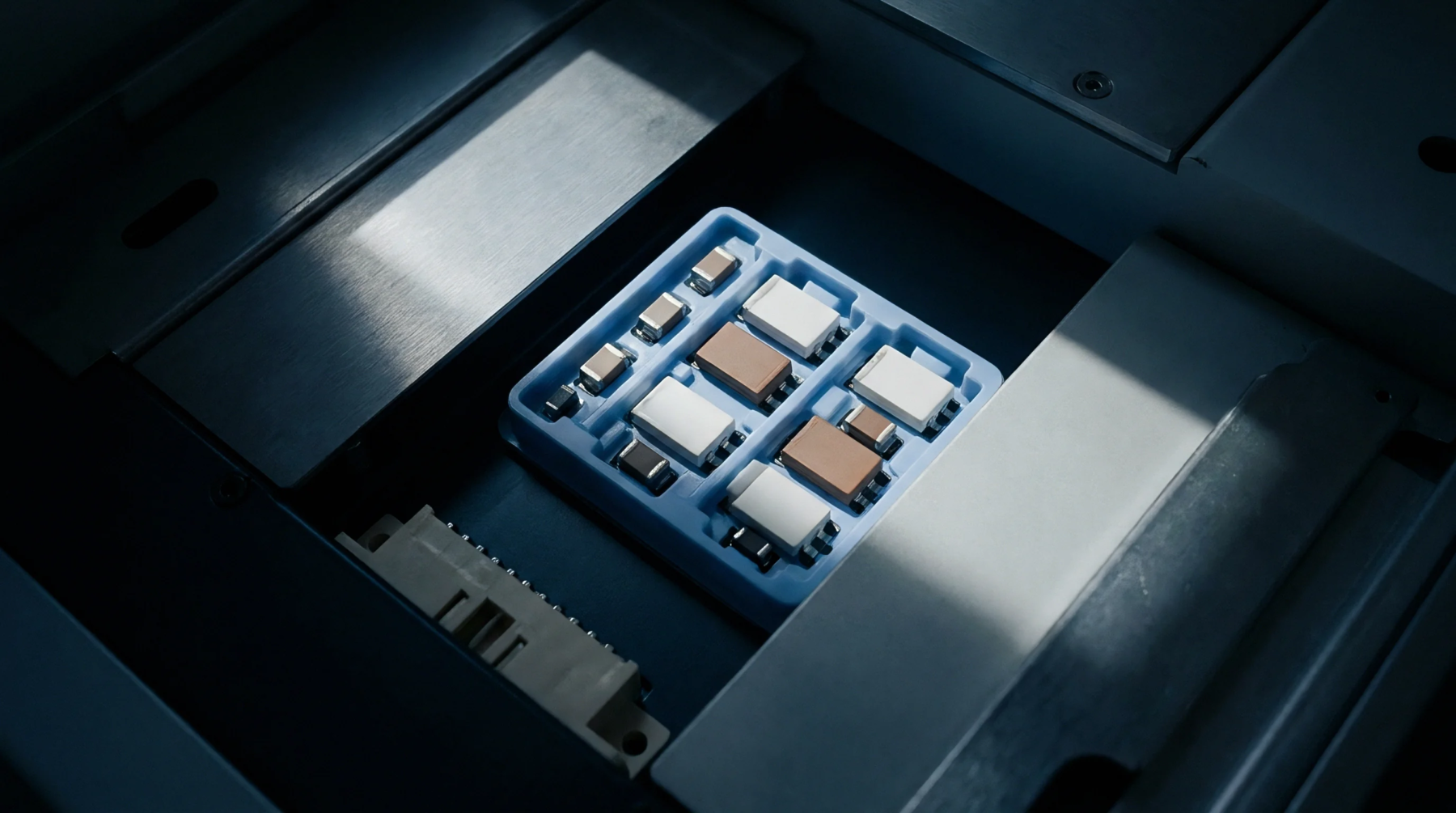
Optimizing solder paste rheology and stencil area ratios above 0.66 drives transfer efficiency stability and eliminates fine-pitch assembly defects.
Expertise is a utility, not a secret. sentiention™ publishes its working knowledge as open reference: intelligence layer covering the materials it sources, the markets it enters, and the reference that serves both.