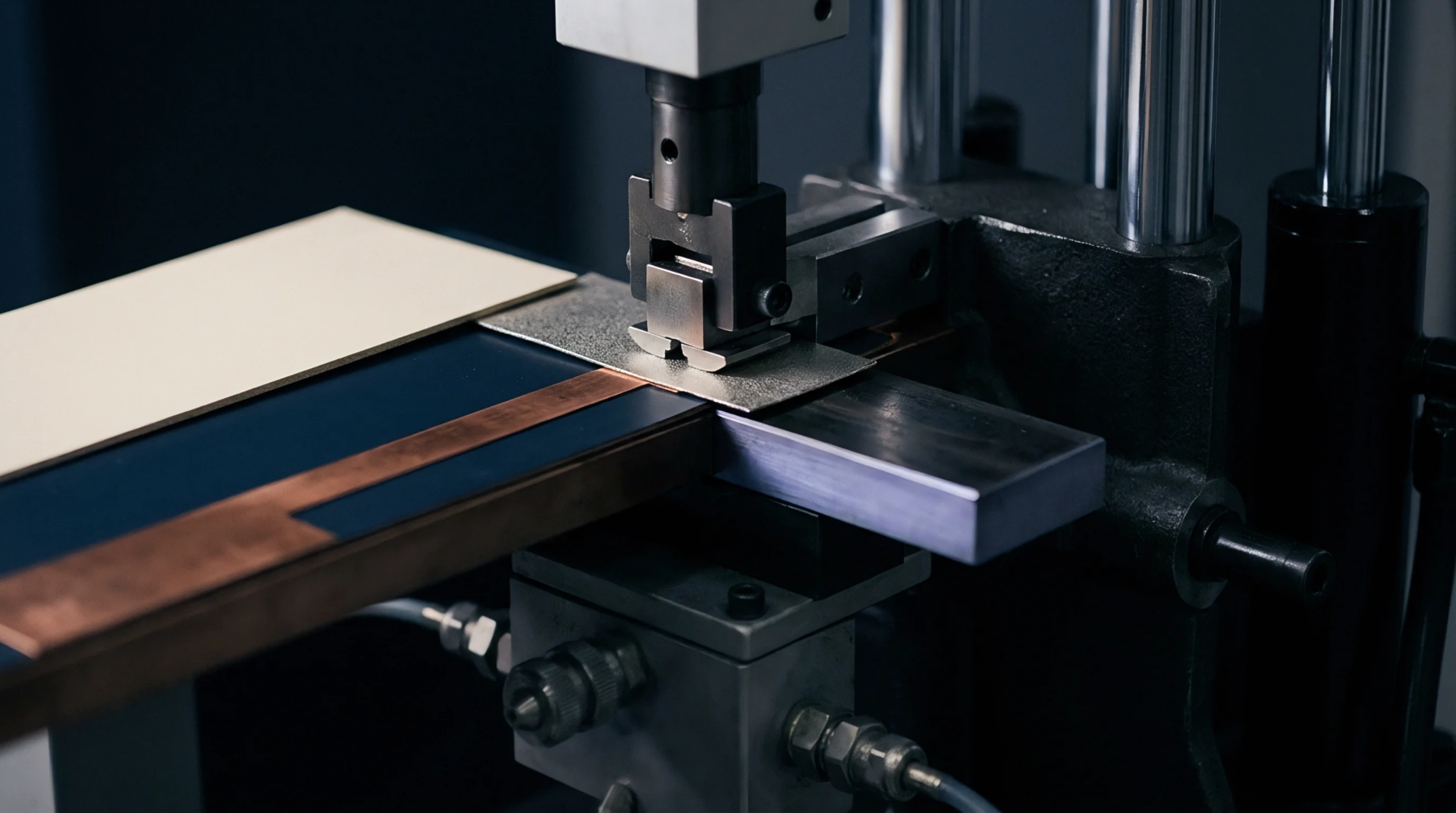
Copper Anchors
Plated through-hole connectivity requires robust mechanical links between internal conductive layers and outer pads to prevent intermittent signals. Virtual nails exist as redundant copper columns formed within a printed circuit board stackup to provide vertical thermal and electrical stability. These structures occupy non-functional areas of the board or specific via arrays to reinforce the structural integrity of the substrate.
Designers include such features during the layout phase to mitigate the risk of barrel cracking during thermal cycling or soldering operations.
Mechanical Reliability
Thermal expansion mismatch creates shear forces between dielectric materials and metal features that threaten interconnect longevity. Virtual nails mitigate these stressors by pinning individual layers together to restrict movement across the Z-axis of the assembly. Manufacturers use these inserts to ensure the internal copper planes maintain contact with surface pads when the board undergoes repeated heating.
A rigid connection reduces the fatigue on standard vias by distributing the mechanical load across a larger cross-sectional area of the panel.
Inspection Verification
Quality control protocols rely on cross-sectional analysis to confirm the presence and alignment of these internal reinforcements. Technicians grind through a representative coupon to expose the side profile of the board stackup for microscopic examination under high magnification. Verification confirms the copper columns penetrate the required dielectric layers without creating shorts to adjacent signal traces or power planes.
A successful integration ensures the finished product withstands the harsh environmental conditions encountered during final field deployment.