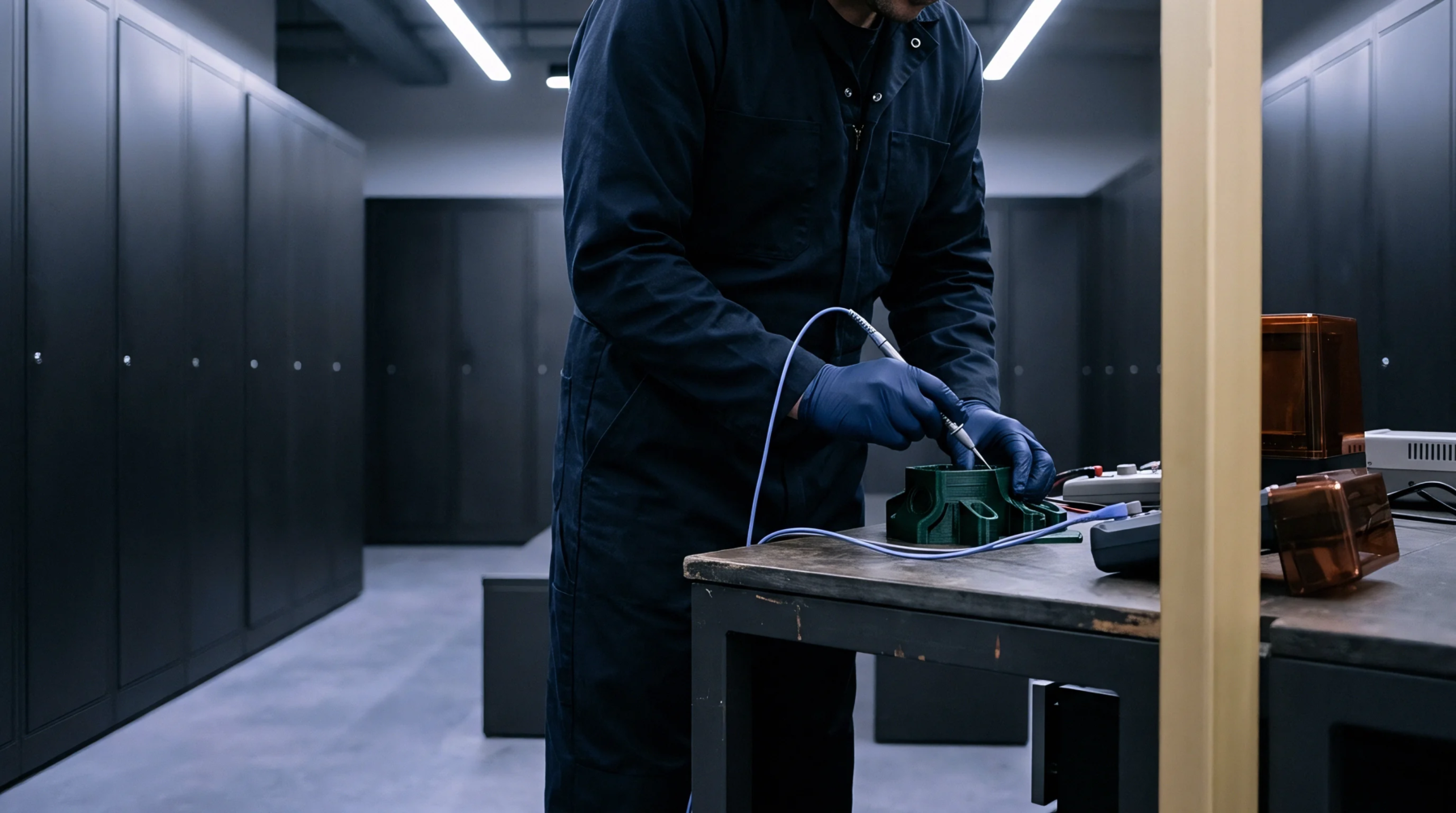
Verification Protocol
Batch acceptance testing is a manufacturing procedure applied to a distinct group of printed circuit board assemblies before shipment or downstream integration. Contract manufacturers employ this method to confirm that physical and electrical parameters conform to procurement drawings and IPC workmanship specifications. Technicians extract a statistically derived sample size from the manufactured lot to undergo functional screening, solder joint examination, and dimensional checks.
Failing boards within the sample trigger a full containment action, meaning the entire manufacturing run undergoes reinspection or scrap disposition.
Yield Threshold
Contractual agreements establish maximum allowable defect rates before batch acceptance testing halts delivery of the circuit card assemblies. Process engineers calculate parts per million defect levels across the production run to verify statistical control during automated surface mount placement and wave soldering. Operators compare measured resistance, capacitance, and signal propagation against nominal design limits defined in the Gerber and bill of materials documentation.
Surpassing the allowable defect ceiling halts further assembly operations until root cause analysis isolates the soldering or component placement failure.
Lot Rejection
Quality management protocols dictate complete quarantine of unverified printed circuit board assemblies when the sampled subset breaches defect limits. Defective lots undergo mandatory board level rework or complete scrapping based on the economic viability of recovering surface mount components. Documented non-conformance reports accompany the rejected units back to the production floor to prevent recurrence during subsequent manufacturing cycles.
Regulatory compliance and customer specifications mandate strict traceability records for every verified lot to protect downstream systems from intermittent electrical failures.