Support Geometry
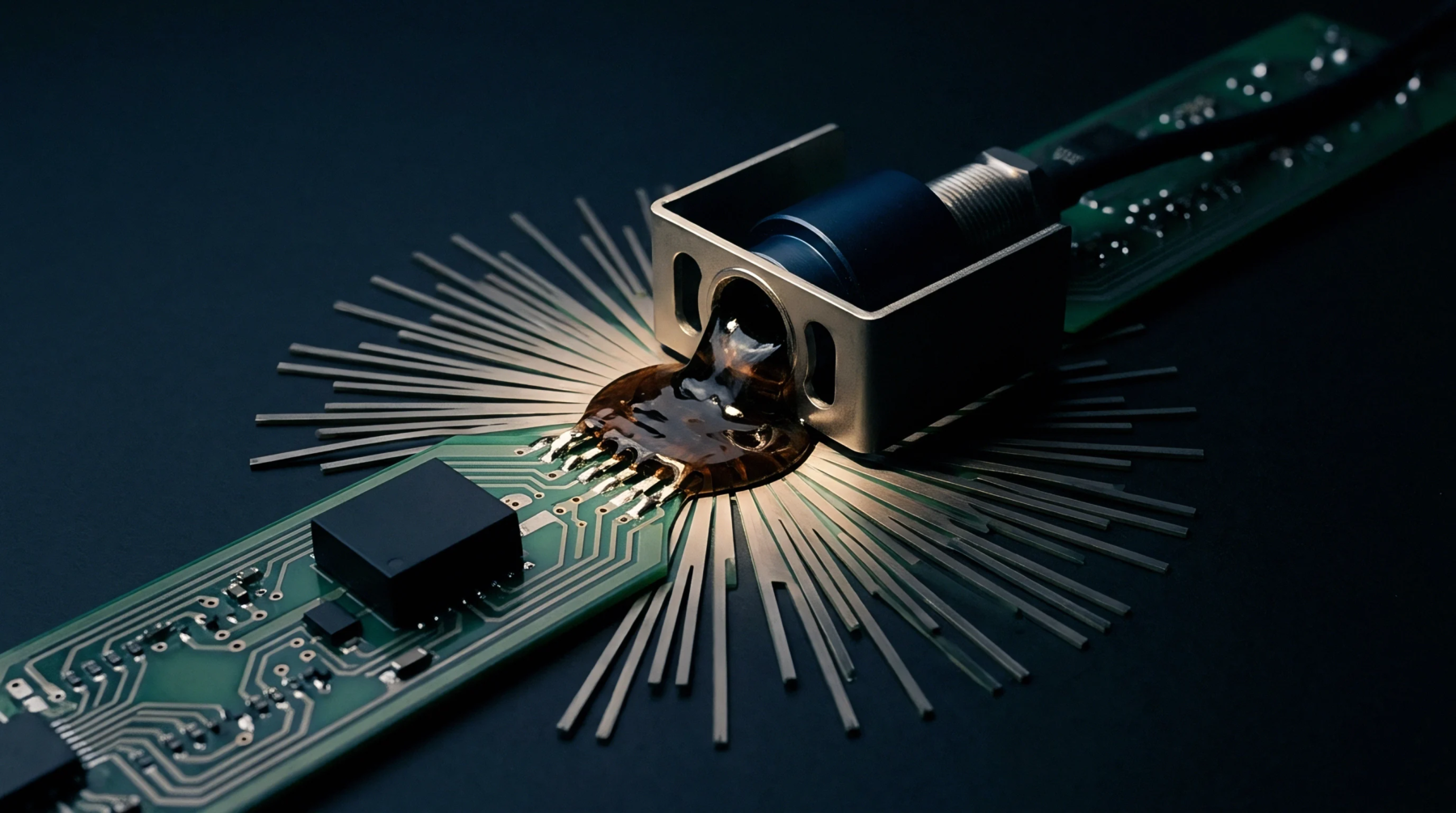
Height uniformity across the array of support columns ensures that a circuit substrate remains flat during testing and assembly. Maintaining board support pin planarity prevents the unwanted localized curvature that occurs when a board rests on pins of varying extensions. This physical configuration is mandatory for preventing mechanical strain during the high force probe sequences.
Calibration Procedure
Measurements taken across the field of contact points confirm that all tips lie within a common geometric plane. When board support pin planarity deviates from the specification, the test board behaves like a bridge supported at uneven heights. This condition forces the laminate to twist as the fixture vacuum or clamps apply pressure.
Misalignment issues lead to inconsistent electrical contact and potential damage to delicate solder joints on the bottom of the board. The verification involves a flat glass plate or a specialized dial indicator tool that sweeps across the array to log deviations. Technicians identify and adjust low or high pins until the full set meets the tolerance window, typically measured in microns.
Ensuring this flatness early in the fixture build cycle reduces the chance of expensive intermittent connectivity bugs during high volume production runs.
Process Stability
Frequent usage or contamination buildup eventually shifts the position of individual supports. Periodic checks maintain the geometry over time.