Adhesion Sequence
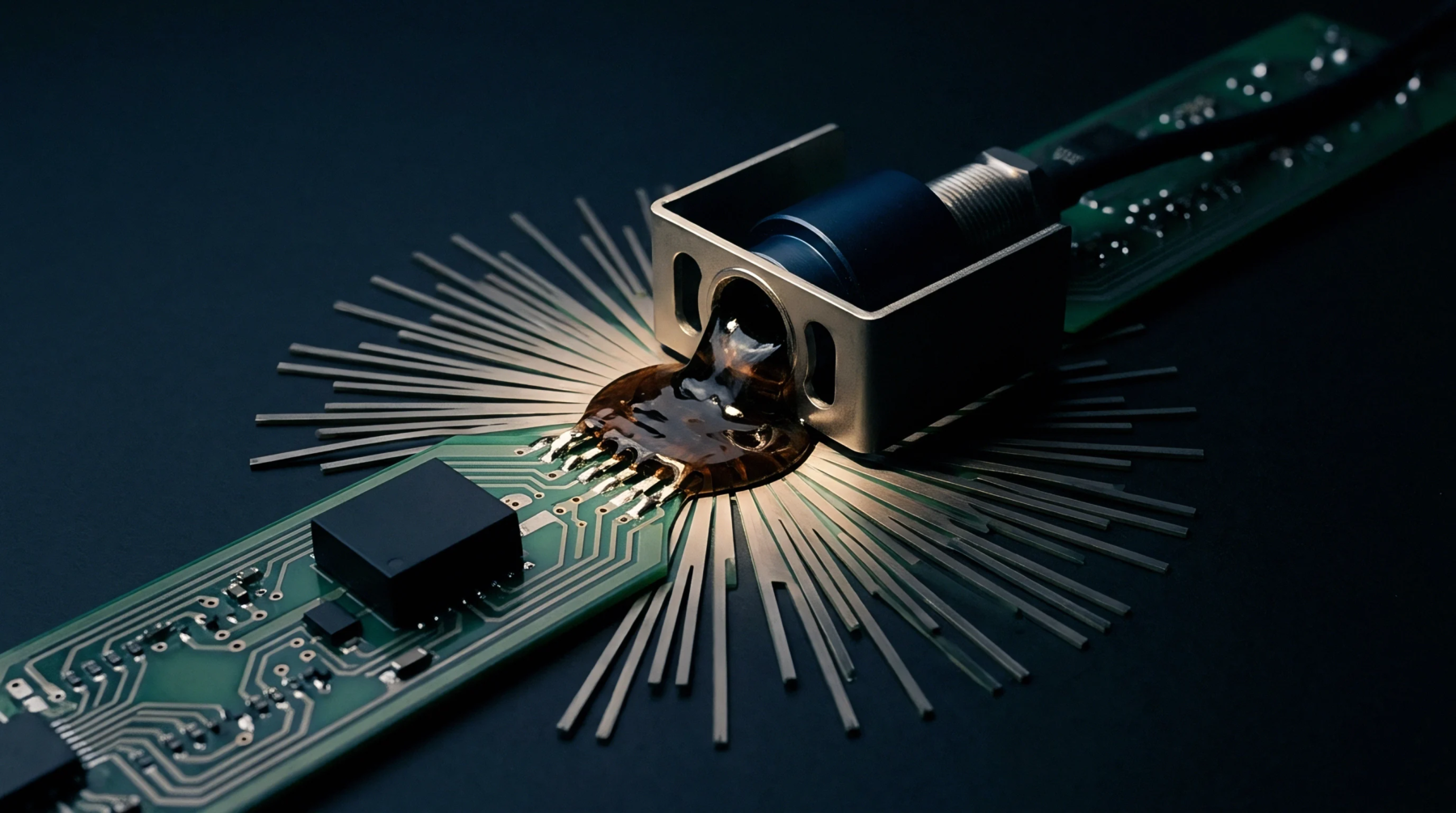
Fast-acting adhesive application provides a rigid mechanical link between a sensing element and the surface of the circuit assembly. Executing cyanoacrylate gauge bonding requires a cleaned surface and a thin catalyst layer to trigger the rapid polymerization of the liquid resin. This technique allows for the quick deployment of strain measurement tools during quick turn board evaluations.
Bonding Mechanics
Moisture on the interface or atmospheric humidity acts as the initiator for the chemical cross-linking. In cyanoacrylate gauge bonding, the thickness of the adhesive layer determines the quality of the strain transfer from the board surface to the copper foil sensor. A thick bond creates a lag in readings and might introduce dampening that hides high frequency shock events.
Technicians apply precise pressure with a thumb or clamp for roughly one minute to ensure the bond is free of air pockets or debris. Because the polymer is rigid, it offers excellent accuracy for short term testing cycles. Once fully cured, the adhesive holds the sensor firmly against thermal and mechanical expansion forces.
This allows for clear data capture without the long cure times required by epoxy counterparts.
Removal Limits
Hardened cyanoacrylate is brittle and easily fractured by focused mechanical force or specific solvent application. It is generally not suitable for environments involving long-term exposure to high heat and high humidity.