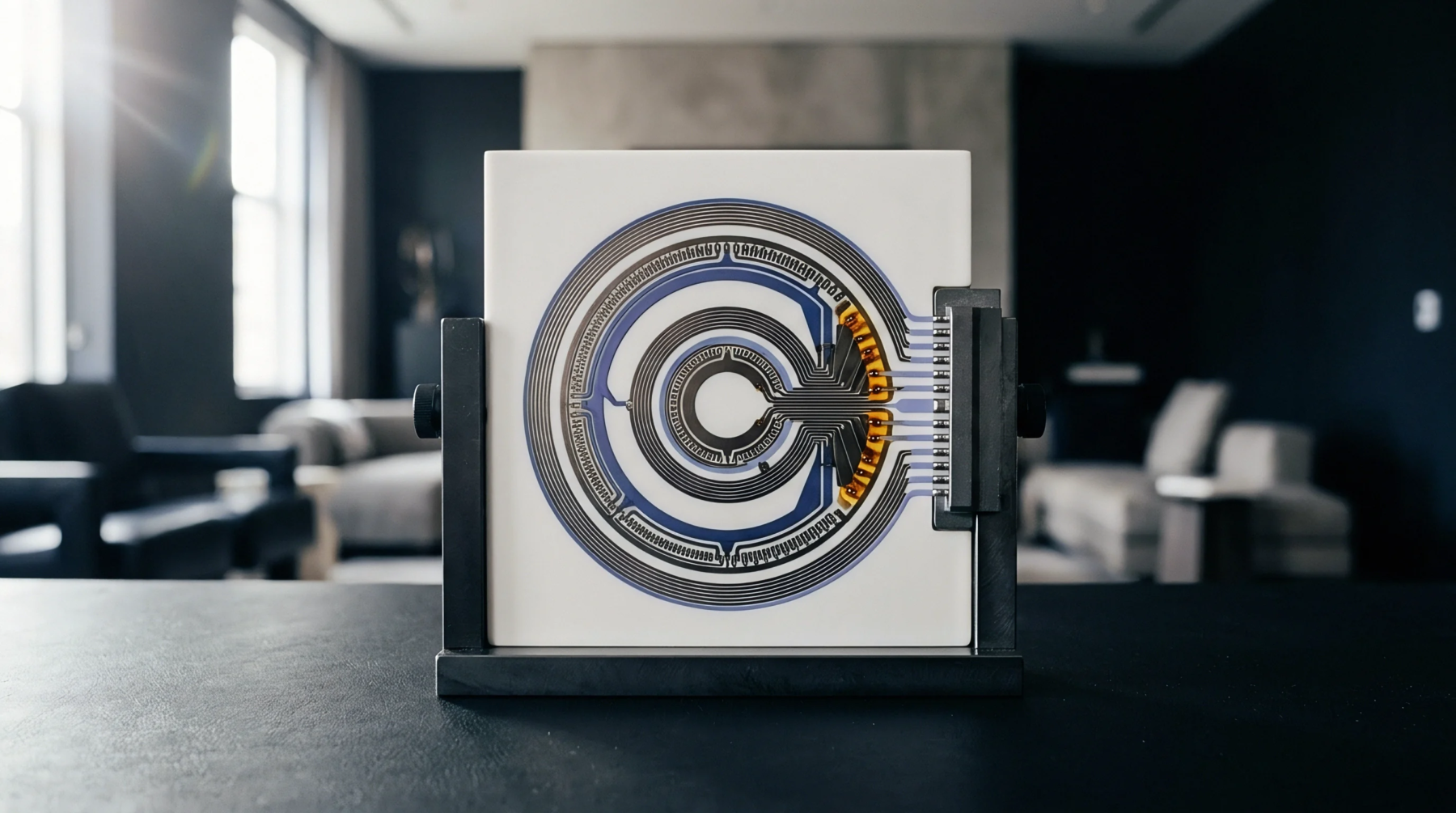
Thermal Conditioning
Environmental stress tests evaluate the resistance of unpowered electronic assemblies and bare substrates to long-term elevated ambient heat without operational electrical bias. Standardized under frameworks such as JESD22-A103, high temperature storage exposes specimens to steady-state thermal profiles spanning 125 degrees Celsius to 175 degrees Celsius over prolonged intervals ranging from 500 to 2000 hours. The conditioning environment accelerates time-dependent solid-state diffusion, chemical degradation, and intermetallic interface development without inducing electrical current stresses.
It targets dormant storage survival, base material curing stability, and dry heat mechanical endurance across components, laminates, and populated circuit cards.
Solid State Degradation
Sustained heat triggers intermetallic compound growth along metallic bonding zones, particularly between copper lands and tin-rich solder deposits. In high temperature storage conditions, copper atoms rapidly migrate into tin matrices, expanding brittle Cu6Sn5 and Cu3Sn crystalline boundary layers at the joint foundation. Prolonged exposure causes Kirkendall void formation along the underlying copper-to-intermetallic boundary, degrading mechanical drop shock resistance and cyclic flexural strength.
The polymer substrate experiences secondary curing or oxidative degradation, altering dielectric breakdown resistance, surface insulation properties, and bulk flexural modulus. Underfill layers, conformal coatings, and structural adhesives suffer thermal embrittlement, matrix shrinkage, and adhesion loss across board interfaces.
Assessment Protocol
Post-exposure evaluation verifies assembly health via room-temperature four-wire Kelvin resistance logging, mechanical shear probing, and microsectional metallurgical inspection. Acceptable thresholds require daisy-chain circuits to maintain baseline electrical continuity limits without encountering open-circuit shifts or resistance jumps exceeding twenty percent. Solder interconnects must demonstrate interfacial bond strength above minimum rupture criteria during destructive mechanical ball pull testing.
Severe blistering, resin delamination, or cracked via barrels identified during cross-sectional analysis mandate lot quarantine and laminate supplier re-qualification.