
Baseline Verification Methods for Incoming SMT Solder Paste
Baseline verification of incoming solder paste requires verifying transit thermal logs, measuring malcom viscosity, and checking powder oxide limits.
Baseline verification of incoming solder paste requires verifying transit thermal logs, measuring malcom viscosity, and checking powder oxide limits.

Evaluate yield stress and thixotropic recovery in fine pitch printing using stress-sweep rheometry and transfer efficiency metrics to prevent aperture clogging.

Isothermal solvent evaporation determination defines paste stencil life, rheological stability, and defect limits by tracking flux carrier loss over time.

Excessive squeegee speed and downforce over-shear solder paste, reducing yield stress and causing severe deposit slump and bridging on fine-pitch components.
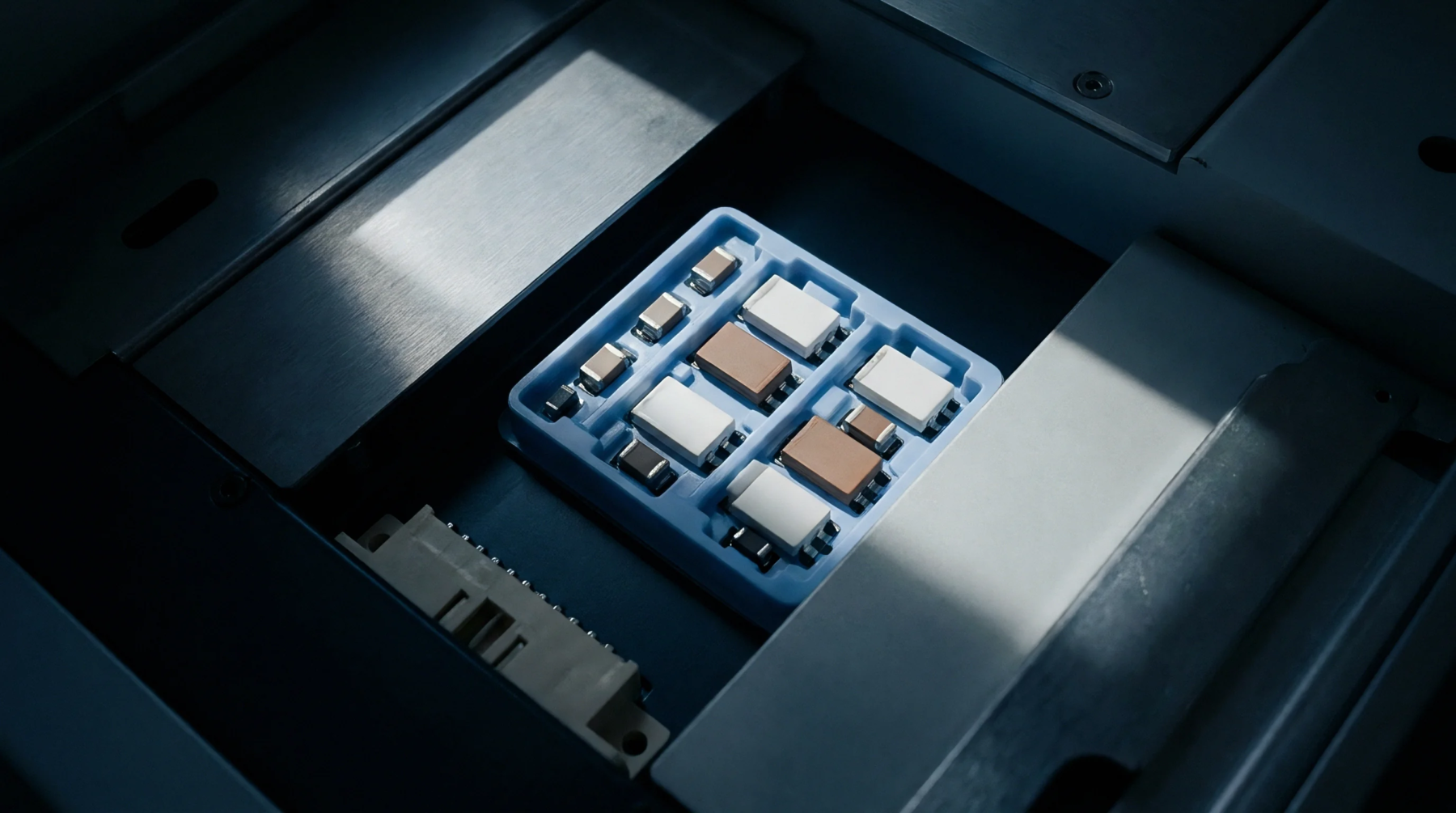
Optimizing solder paste rheology and stencil area ratios above 0.66 drives transfer efficiency stability and eliminates fine-pitch assembly defects.

Optimal SMT yield requires matching paste shear-thinning rheology with stencil area ratios above 0.66 and reflow profiles holding peak temperatures within 5°C.
Expertise is a utility, not a secret. sentiention™ publishes its working knowledge as open reference: intelligence layer covering the materials it sources, the markets it enters, and the reference that serves both.