Copper Foil
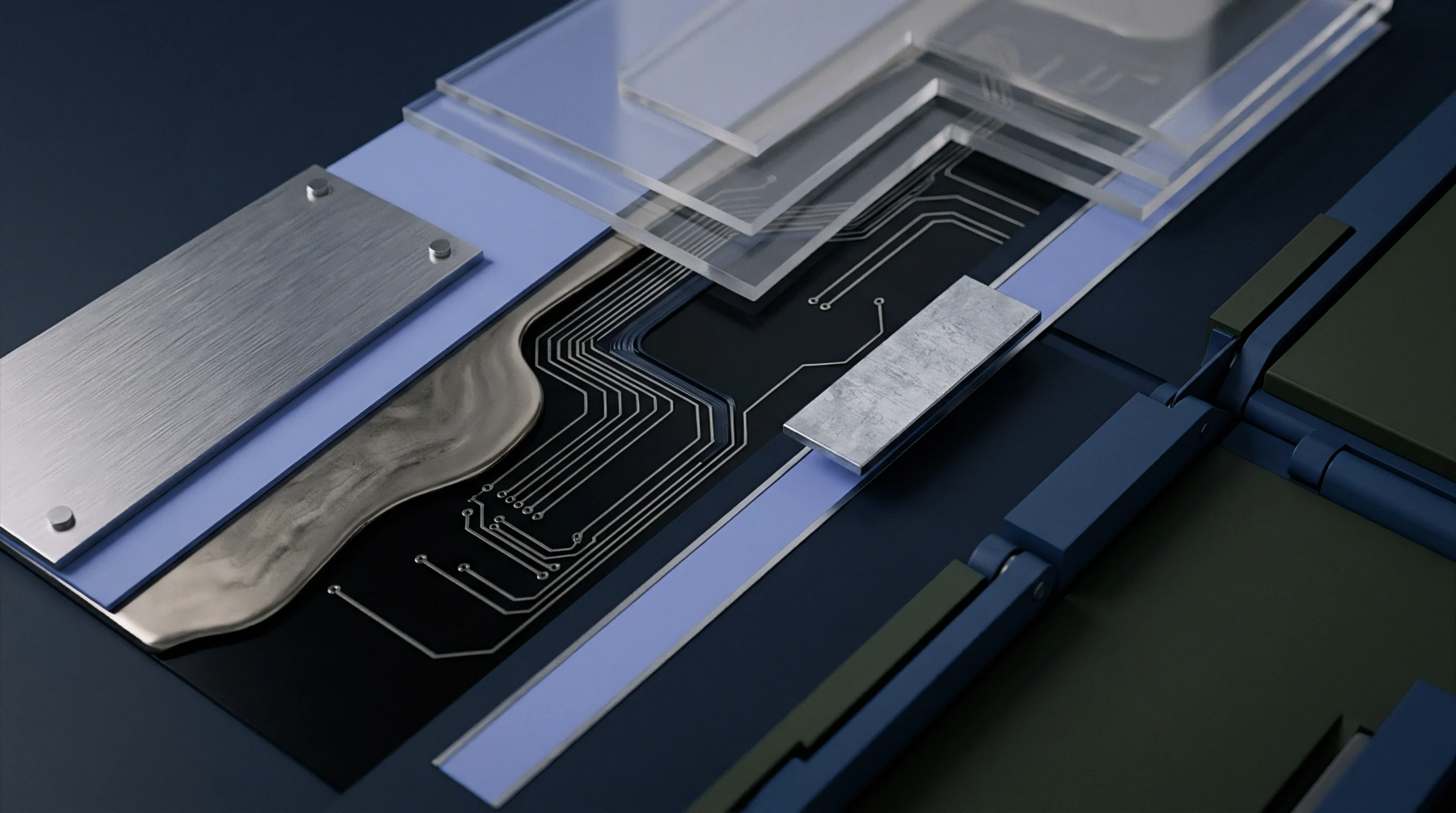
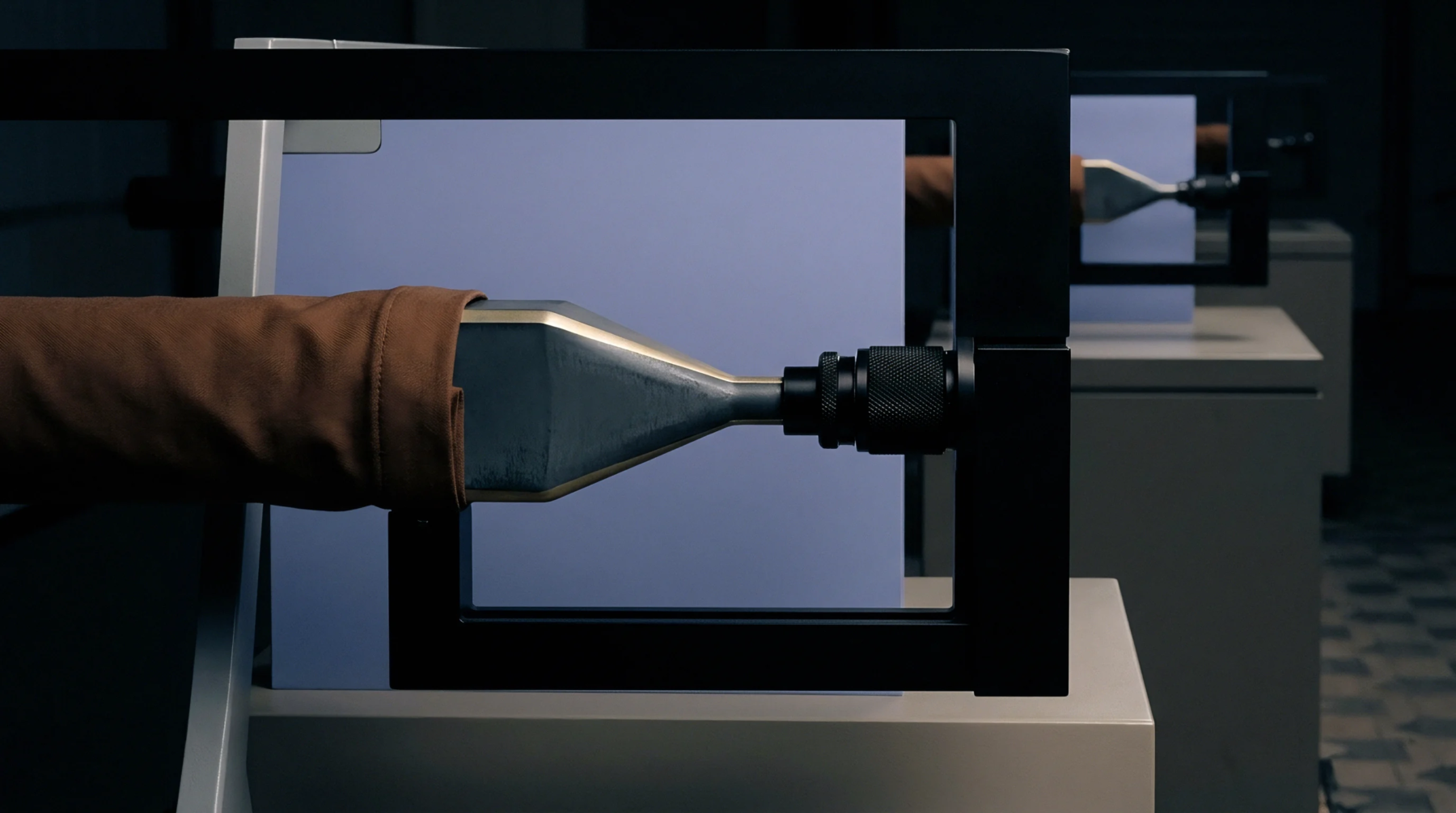
Peel strength measurement evaluates the bond between a printed circuit board substrate and its conductive foil layers. Industrial manufacturers apply IPC-TM-650 2.4.38 to quantify how tightly laminate materials hold copper traces under mechanical tension. Testing equipment pulls a designated width of metal strip at a constant angle until separation occurs from the base dielectric.
Laminate suppliers and fabricators rely on this procedure to verify that resin curing cycles achieved adequate adhesion before multi-layer press operations begin. Low peel strength permits traces to lift during wave soldering or thermal shock, which breaks electrical continuity across finished assemblies. Variations in glass transition temperature directly alter the force required to detach conductors from epoxy panels.
Automated load cells record force values continuously throughout the peel cycle, plotting graphs that highlight localized resin starvation or surface contamination.
Thermal Stress
Elevated temperatures generate shear forces across plated through holes during reflow soldering. High solder heat exposure causes resin expansion inside inner layers, stretching copper barrels past elastic limits. Technicians perform pull testing after thermal exposure to confirm that extreme processing temperatures do not degrade bond integrity.
Process Control
Incoming inspection protocols depend upon repeatable peel strength data to reject substandard laminate lots before chemical etching begins. Chemical treatment baths roughen foil surfaces to promote mechanical interlocking with prepreg resin. Poor micro-etch parameters reduce surface roughness, leaving insufficient anchor points for copper deposition.
Production engineers monitor peel performance trends to detect bath depletion or contamination early in fabrication runs. Finished printed circuit boards withstand harsh operating environments when standardized adhesion testing maintains strict limits on conductor retention forces.