Thermal Shock
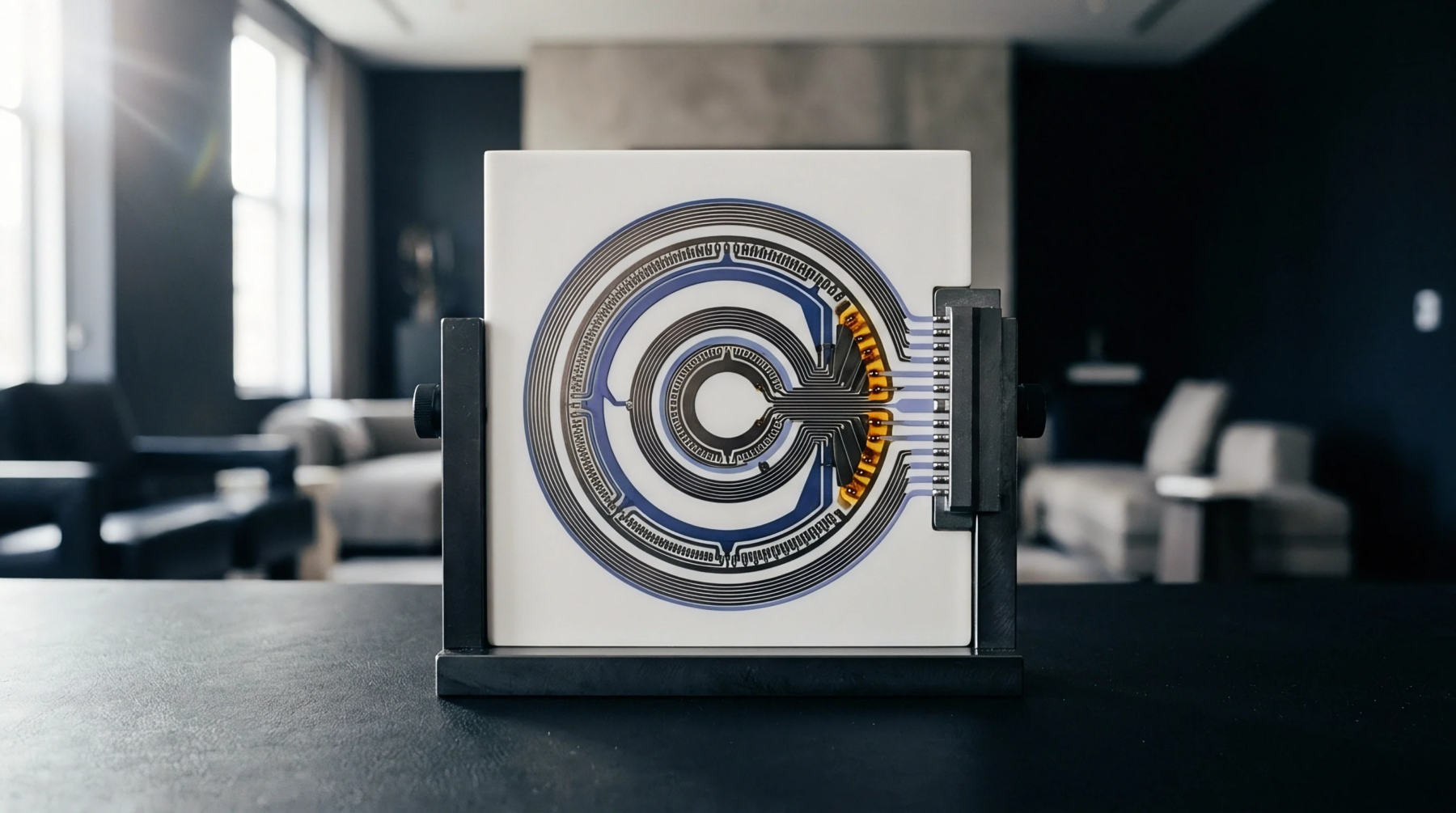
Conductivity testing characterizes the integrity of dielectric materials through rapid cycling between extreme temperature environments. The ipc-tm-650 2.6.8 method subjects printed board coupons to alternating cycles of heat and cold to detect structural weaknesses resulting from differential expansion. Damage usually appears as cracks in internal connections or layer delamination within the laminate.
High reliability applications require this procedure to ensure that thermal cycling does not lead to circuit failure during actual operation.
Dielectric Stress
Internal mechanical strain develops when materials with differing coefficients of thermal expansion undergo sudden temperature transitions. The ipc-tm-650 2.6.8 protocol defines the specific soak times and transition rates necessary to force these material interfaces to their limit. Operators monitor for continuity breaks that indicate the solder joints or plated holes have lost their physical hold.
Accelerated aging through these cycles predicts the longevity of the board assembly in environments with high operational temperatures.
Performance Expectation
Verification of thermal robustness allows manufacturers to confirm the quality of their bonding processes and material choices before full scale production commences. The ipc-tm-650 2.6.8 evaluation confirms that properly processed boards retain electrical continuity after exposure to the specified temperature ranges. Boards that sustain physical integrity throughout the prescribed number of cycles demonstrate the chemical stability of the base substrate and the plating thickness.
Quantitative results from this test establish a definitive metric for the thermal capability of the substrate and interconnection system.