Thermal Window
Molten solder alloy remains above its solidus threshold during reflow profiling to maintain wetting dynamics across printed circuit board assemblies. Liquidus dwell defines the precise chronological duration during which interconnected metallic surfaces experience complete phase change into a fluid state. Metallurgical bonding relies entirely upon this specific temporal parameter to facilitate intermetallic compound layer formation without inducing thermal degradation on adjacent laminate structures.
Control over this interval prevents cold solder joints and mitigates bridging defects during surface mount technology production runs.
Alloy Kinetics
Surface tension forces dominate the behavior of liquid solder while component terminations and pad metallizations undergo wetting reactions. Diffusion rates accelerate rapidly once the entire alloy volume reaches complete liquefaction within the heating chamber zone. Intermetallic thickness grows in direct proportion to exposure duration, demanding strict adherence to predetermined profile limits established by paste manufacturers.
Extended exposure periods promote excessive grain growth and brittleness within the finished joint structure.
Process Verification
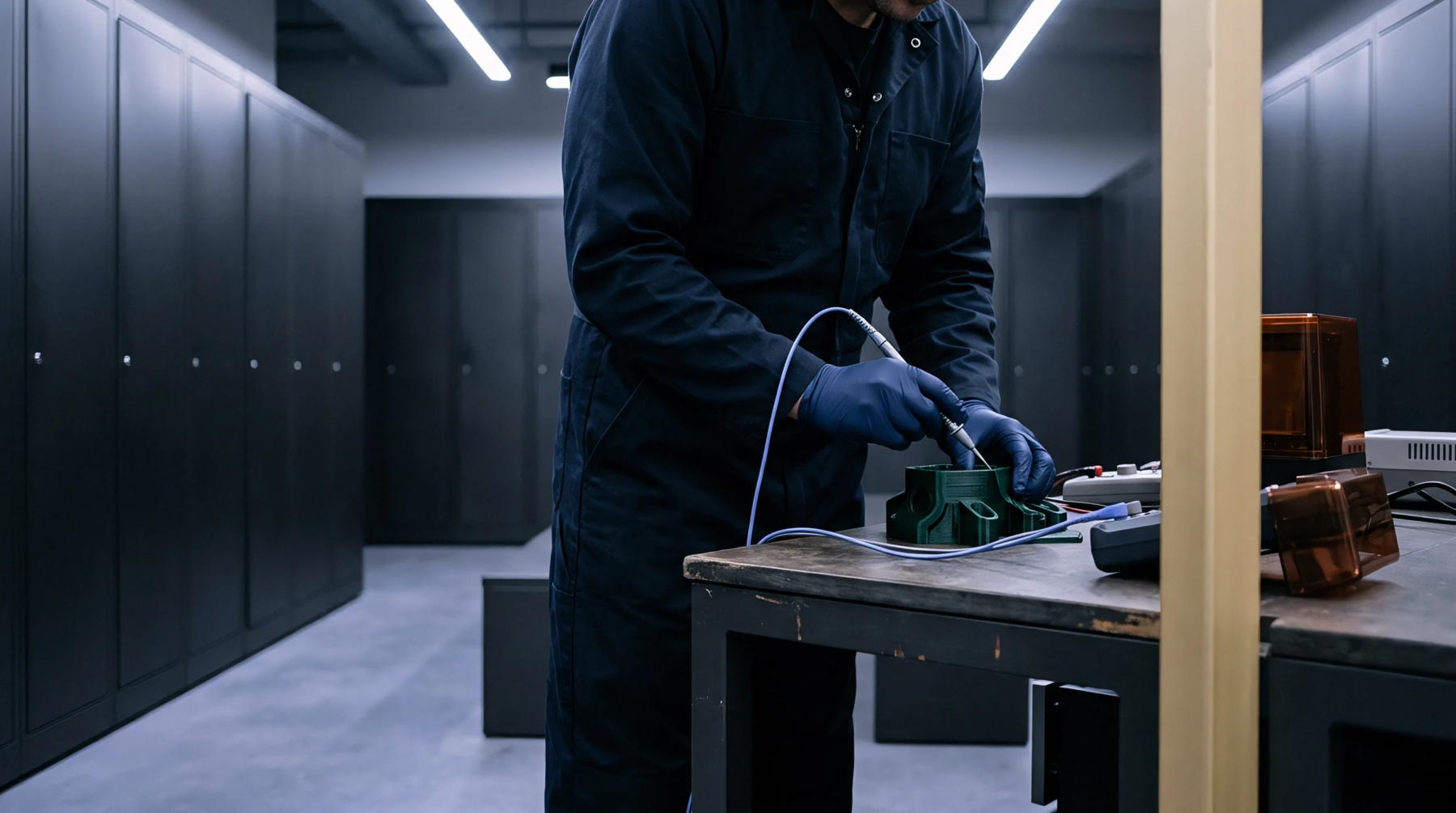
Reflow oven thermocouples measure actual board temperature profiles against prescribed reflow limits during initial setup and periodic verification audits. X-ray inspection systems and automated optical equipment detect microscopic voids resulting from improper temporal parameters during the phase transition stage. Shear strength testing validates mechanical integrity on destructive sample coupons following completed thermal processing cycles.