
Mathematical Modeling of Non-Linear Viscoelastic Relaxation across Sequential Buildup Lamination
Non-linear viscoelastic modeling predicts multi-pass lamination strain to prevent microvia misregistration and structural delamination in HDI panels.
Non-linear viscoelastic modeling predicts multi-pass lamination strain to prevent microvia misregistration and structural delamination in HDI panels.
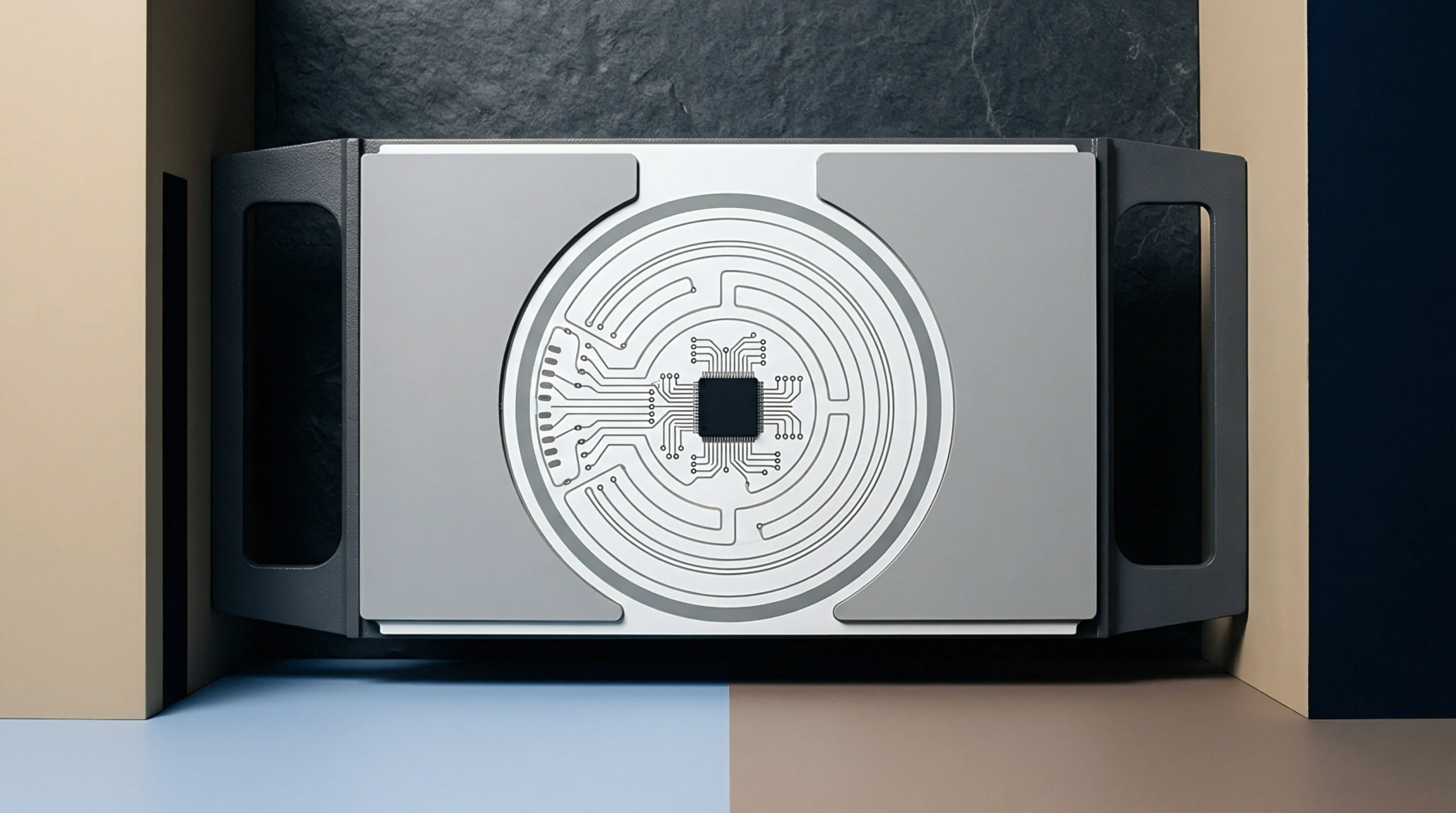
Dynamic multipoint LDI scaling compensates for non-linear sub-assembly strain during sequential lamination, preserving microvia target land registration.
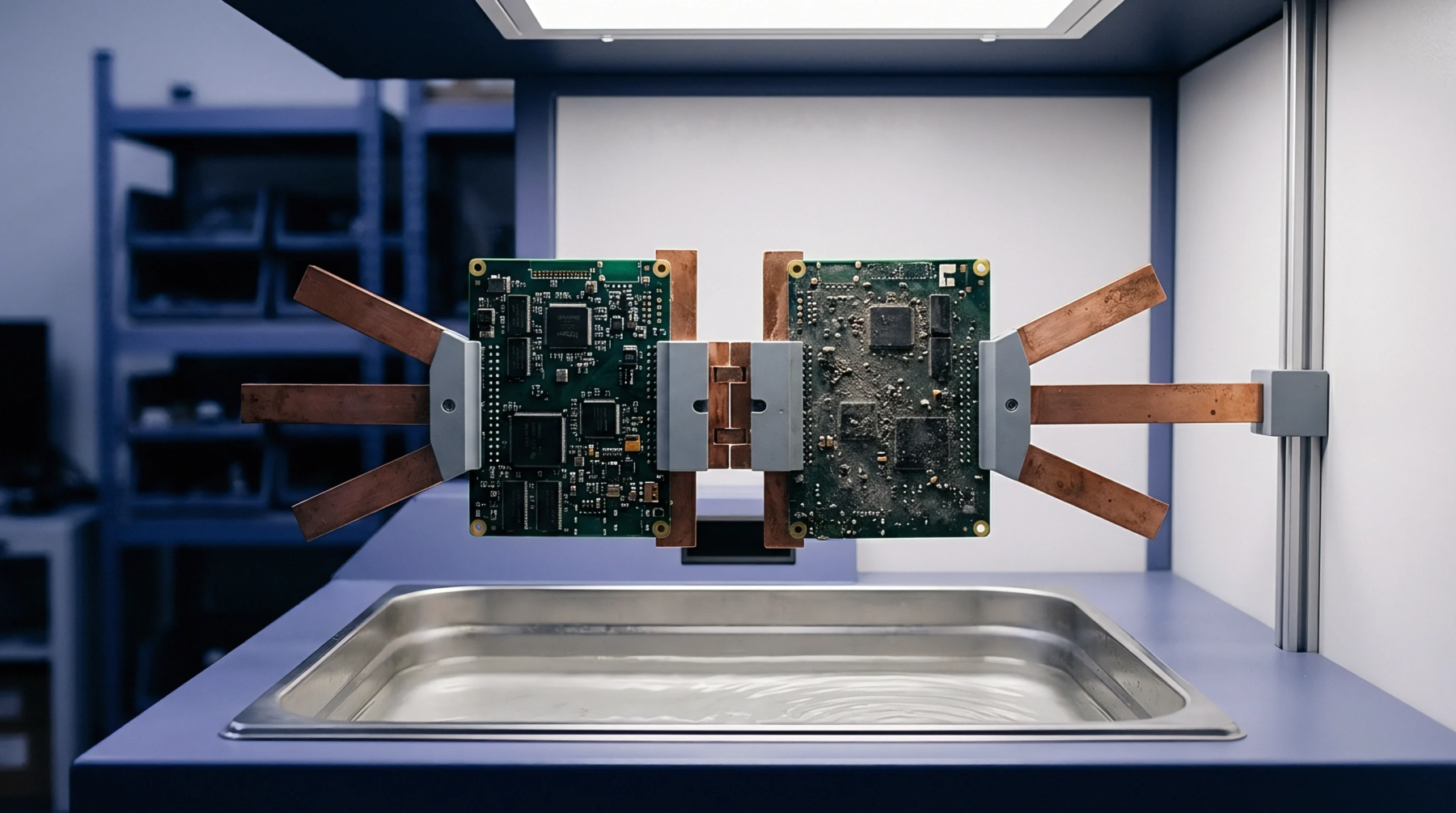
Non-linear spline algorithms mathematically eliminate localized PCB laminate shrinkage errors, securing sub-10 micron registration for reliable ultra-fine line microvia alignment.
Sequential press cycles alter resin fill and weave orientation, shifting out-of-plane permittivity by up to nine percent and throwing microstrip impedance off target.

Viscoelastic relaxation in ultra-thin cores causes non-linear runout, demanding local fiducial alignment to maintain microvia capture pad registration.
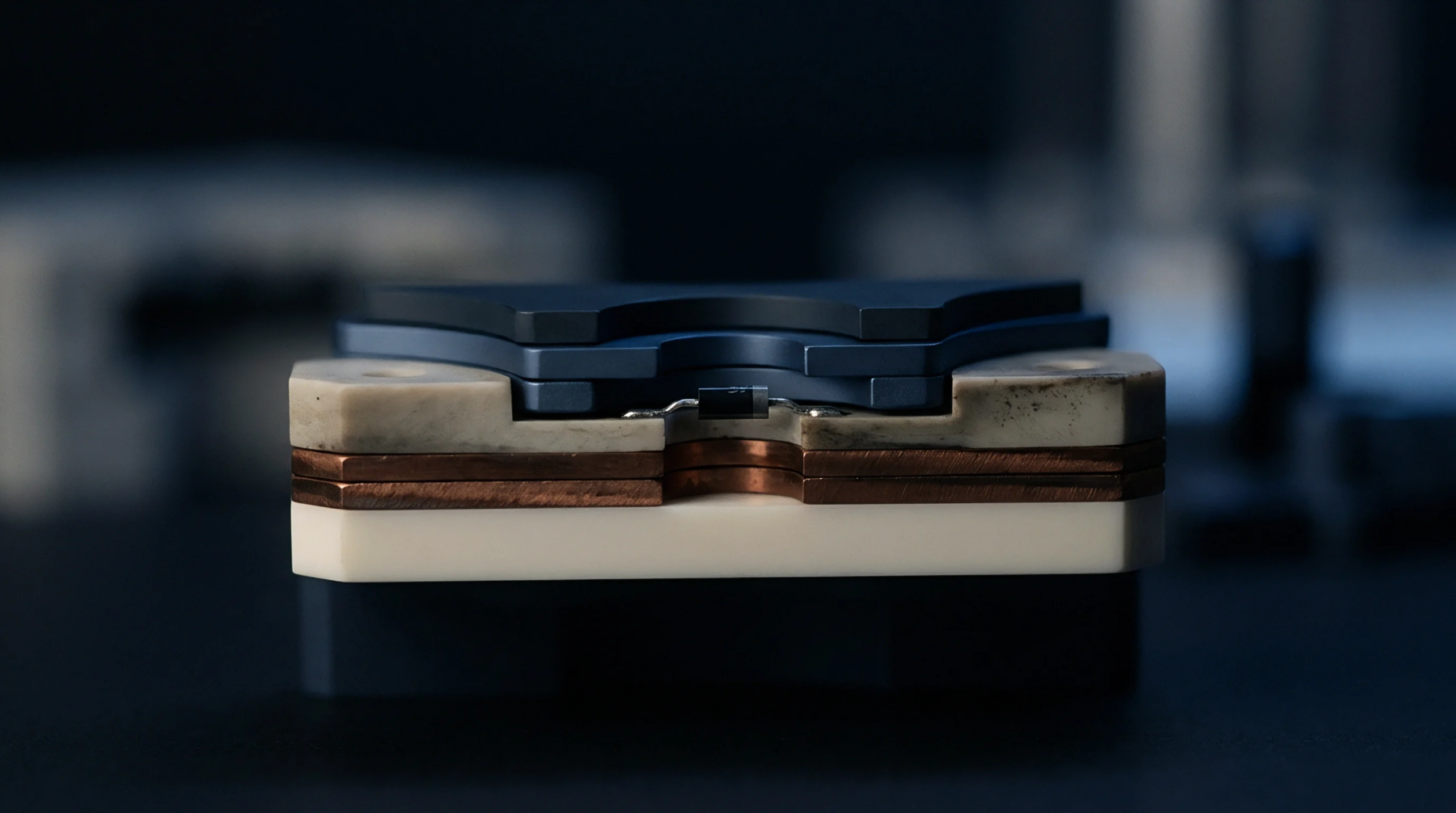
Thermal cycling in multi-stage rigid-flex presses collapses free volume and elevates dielectric constant, requiring scaled artwork to maintain impedance tolerances.
Expertise is a utility, not a secret. sentiention™ publishes its working knowledge as open reference: intelligence layer covering the materials it sources, the markets it enters, and the reference that serves both.