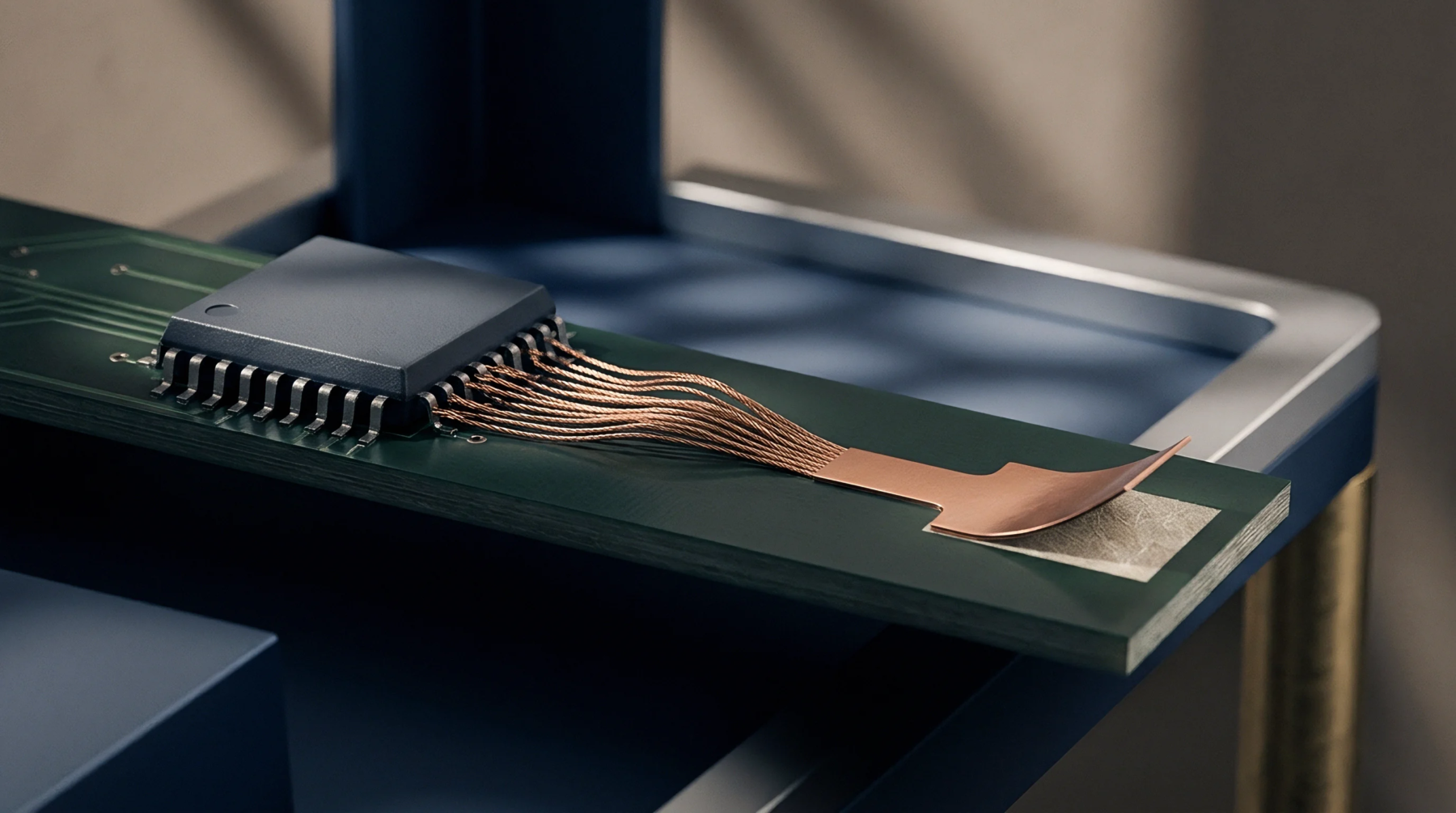
High Shear Squeeze Flow Analysis in Microvia Substrate Lamination
High shear squeeze flow during substrate lamination forces shear thinning in prepreg resin, enabling complete microvia cavity fill before gelation locks the network.
High shear squeeze flow during substrate lamination forces shear thinning in prepreg resin, enabling complete microvia cavity fill before gelation locks the network.
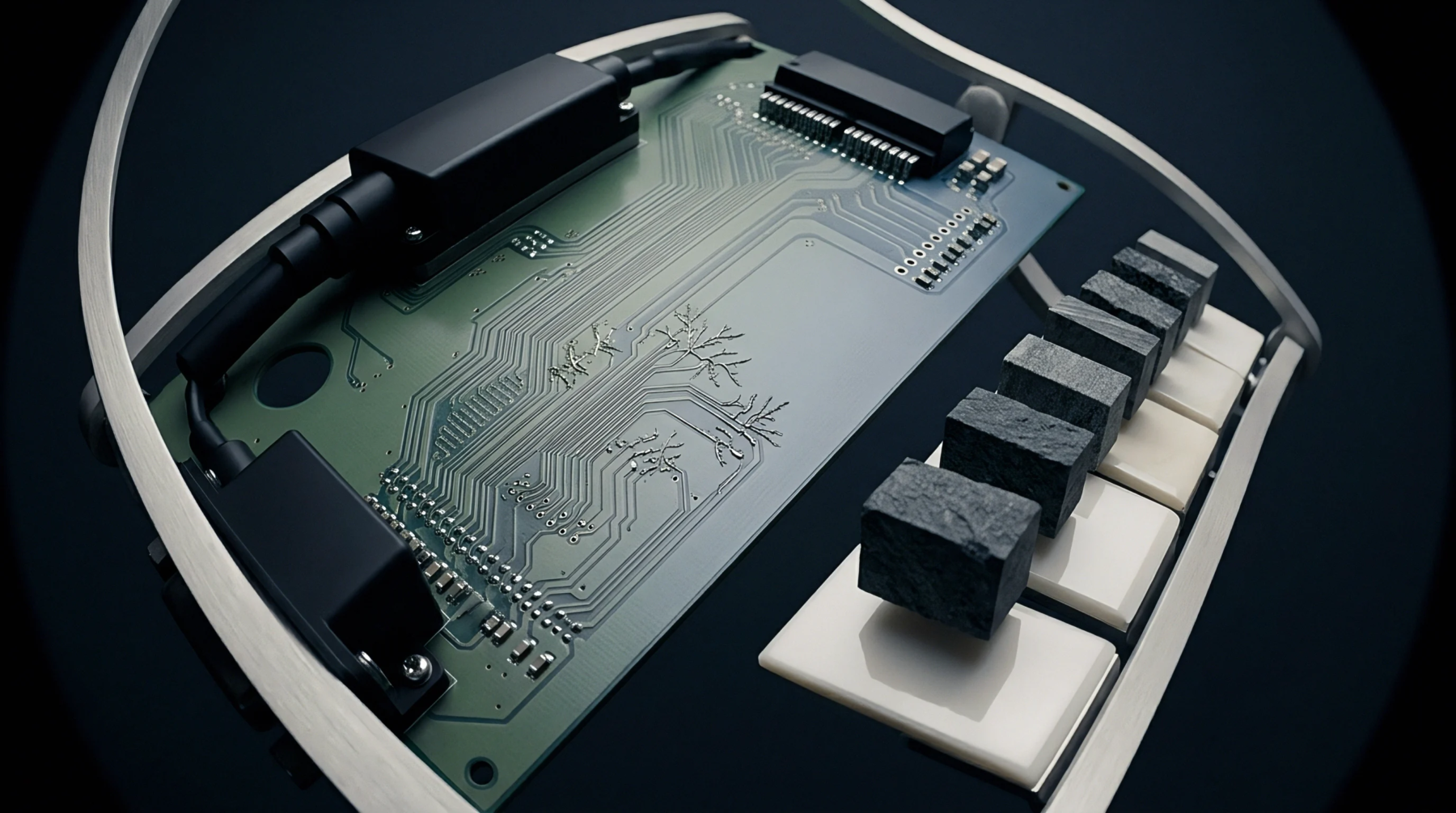
Excessive squeegee speed and downforce over-shear solder paste, reducing yield stress and causing severe deposit slump and bridging on fine-pitch components.

High-speed squeegee shear collapses solder paste yield stress, causing deposit slump and bridging unless viscoelastic recovery kinetics match line cycle speed.
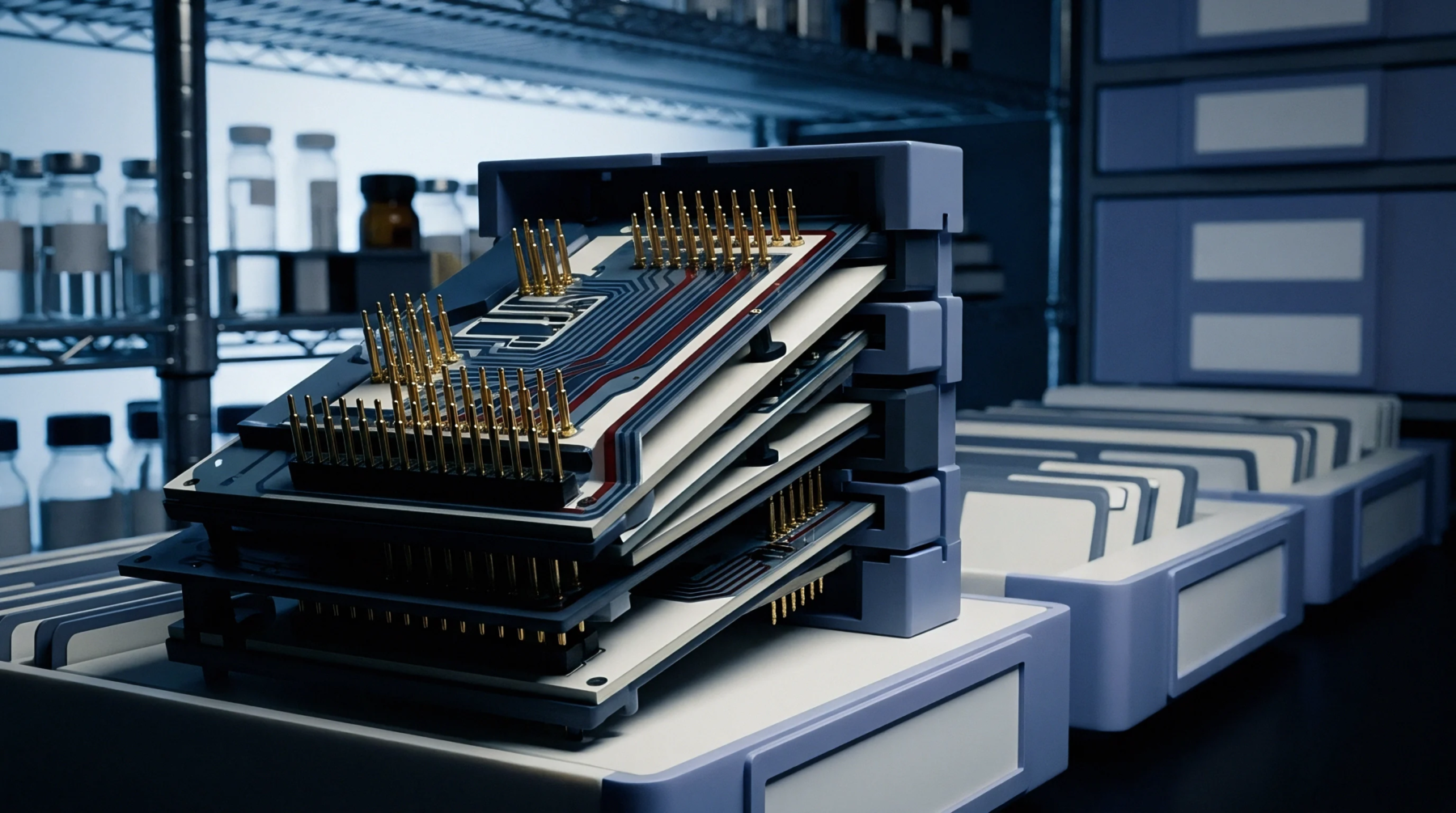
Matching prepreg melt viscosity minima to press pressure ramps prevents thin-core distortion and resin starvation in high-density multilayer lamination.

Optimize solder paste print volume and yield by maintaining area ratios above 0.66, controlling squeegee force, and verifying viscosity stability.
Non-Newtonian resin flow inside thin prepreg micro-channels governs void formation, trace displacement, and dielectric thickness stability during high-pressure lamination.
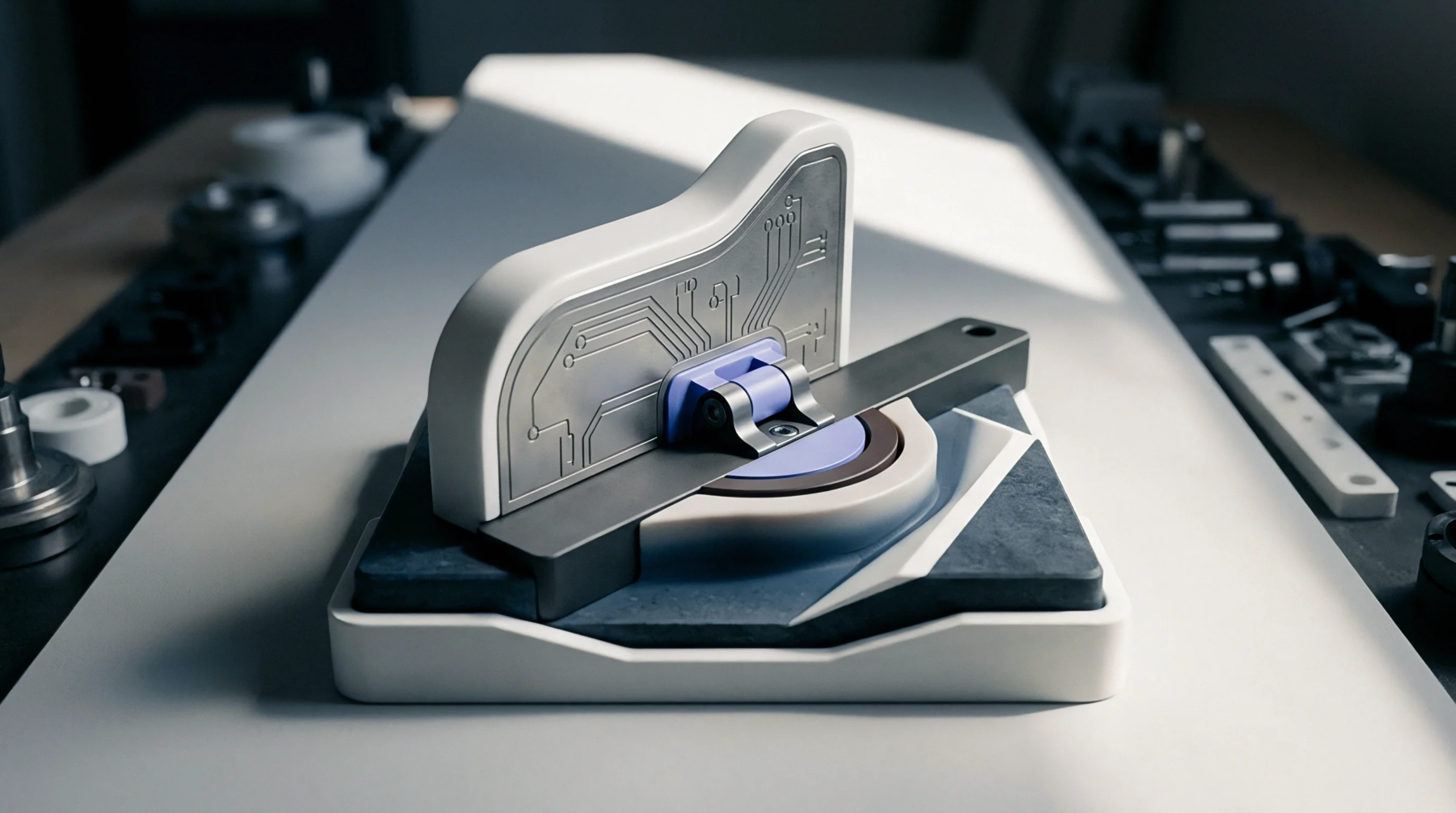
Sub-30 µm dielectric void suppression requires matching non-Newtonian dynamic viscosity to vacuum press ramps to maintain shear flow prior to cross-linking gelation.
Expertise is a utility, not a secret. sentiention™ publishes its working knowledge as open reference: intelligence layer covering the materials it sources, the markets it enters, and the reference that serves both.