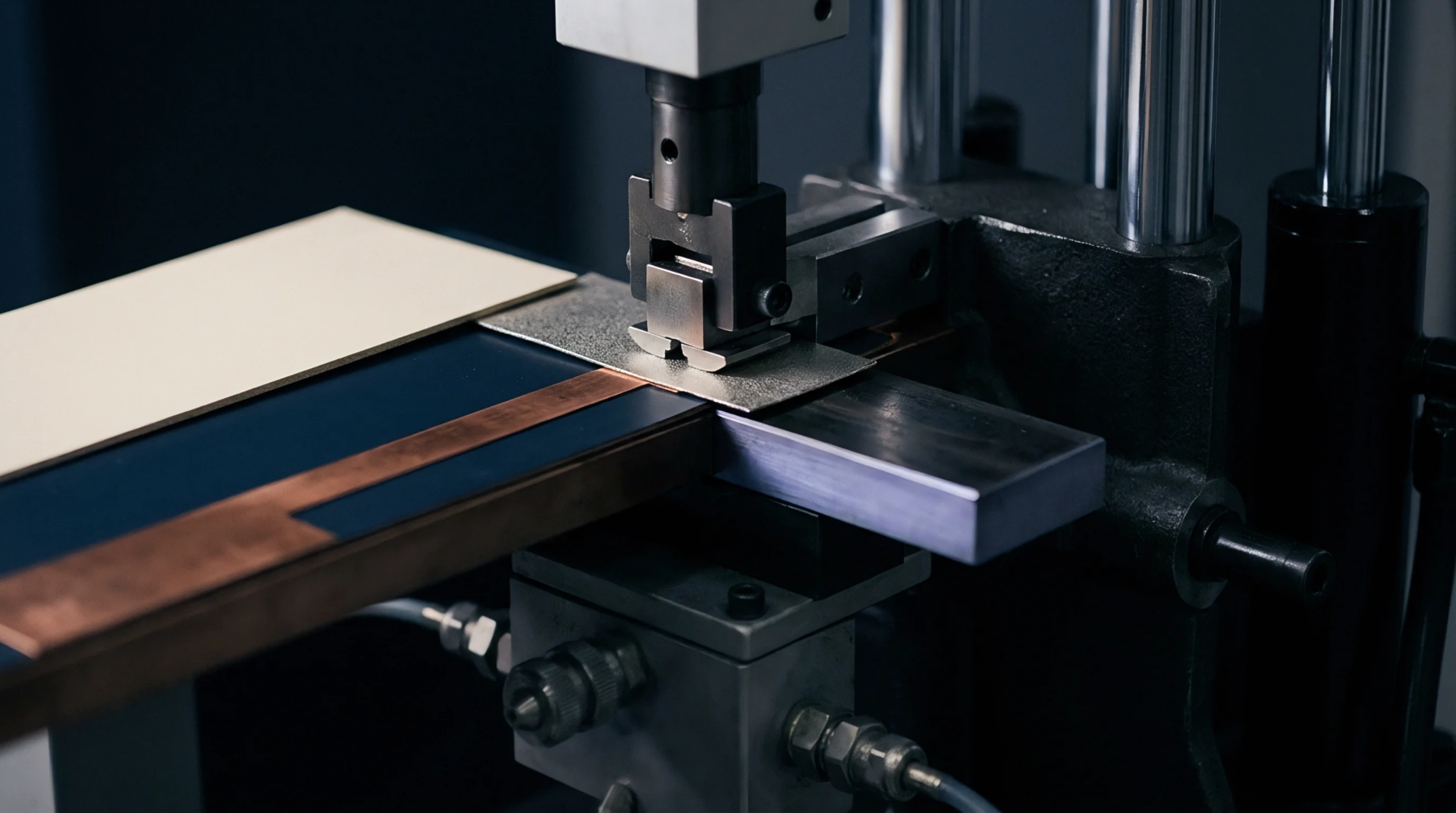
Thermal Relaxation
Controlled heating applied to printed circuit assemblies mitigates locked-in mechanical constraints generated during prior soldering operations. Residual stress relief removes localized distortion vectors that otherwise propagate through subsequent conformal coating or housing integration steps. Unrelieved copper foil transitions and ceramic package terminations experience progressive microcracking under thermal cycling when internal preload exceeds yield thresholds.
Low-temperature bake cycles below solder reflow points allow lattice rearrangement without reflowing joint geometries or shifting mounted components.
Process Window
Ramp rates and soak durations govern whether internal strain dissipates uniformly across heterogeneous material stacks. Glass transition temperatures of standard epoxy laminates dictate the upper bound of thermal exposure during production conditioning. Exceeding recommended soak ceilings risks intermetallic layer growth degradation within Ball Grid Array joints and copper barrel degradation.
Cooling rates demand strict limitation to prevent the reintroduction of thermal gradients that recreate internal shear vectors.
Structural Integrity
Dimensional stability under operational vibration depends entirely upon the complete elimination of localized preload before final enclosure. Assemblies lacking proper thermal conditioning exhibit premature solder fatigue when subjected to cyclical mechanical loading in harsh environments. Post-bake warpage measurements confirm the neutralization of anisotropic expansion differentials between laminate cores and copper planes.
Verified mechanical baselines guarantee that completed assemblies withstand service stress without unexpected joint failure.