Internal Tension
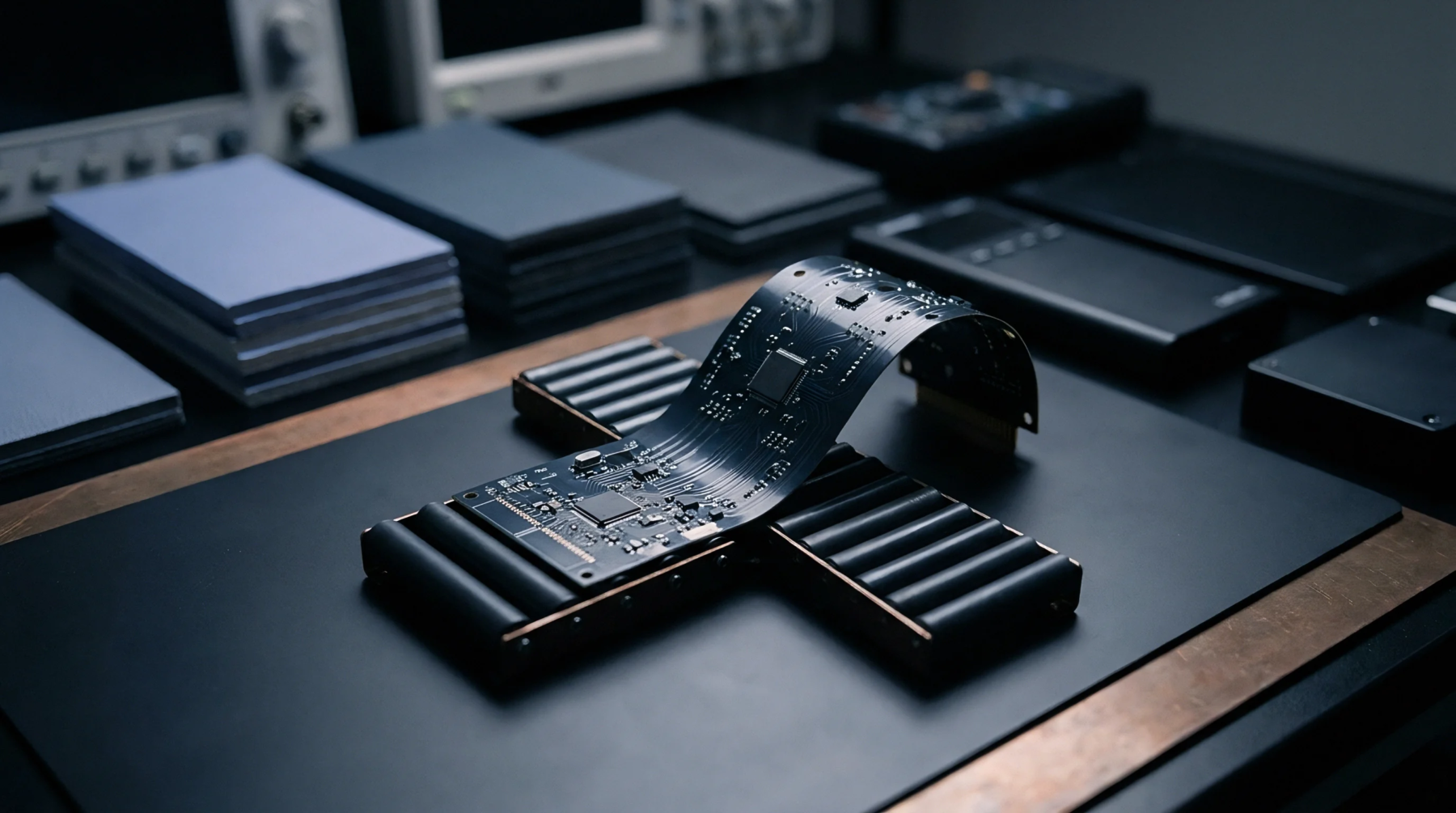
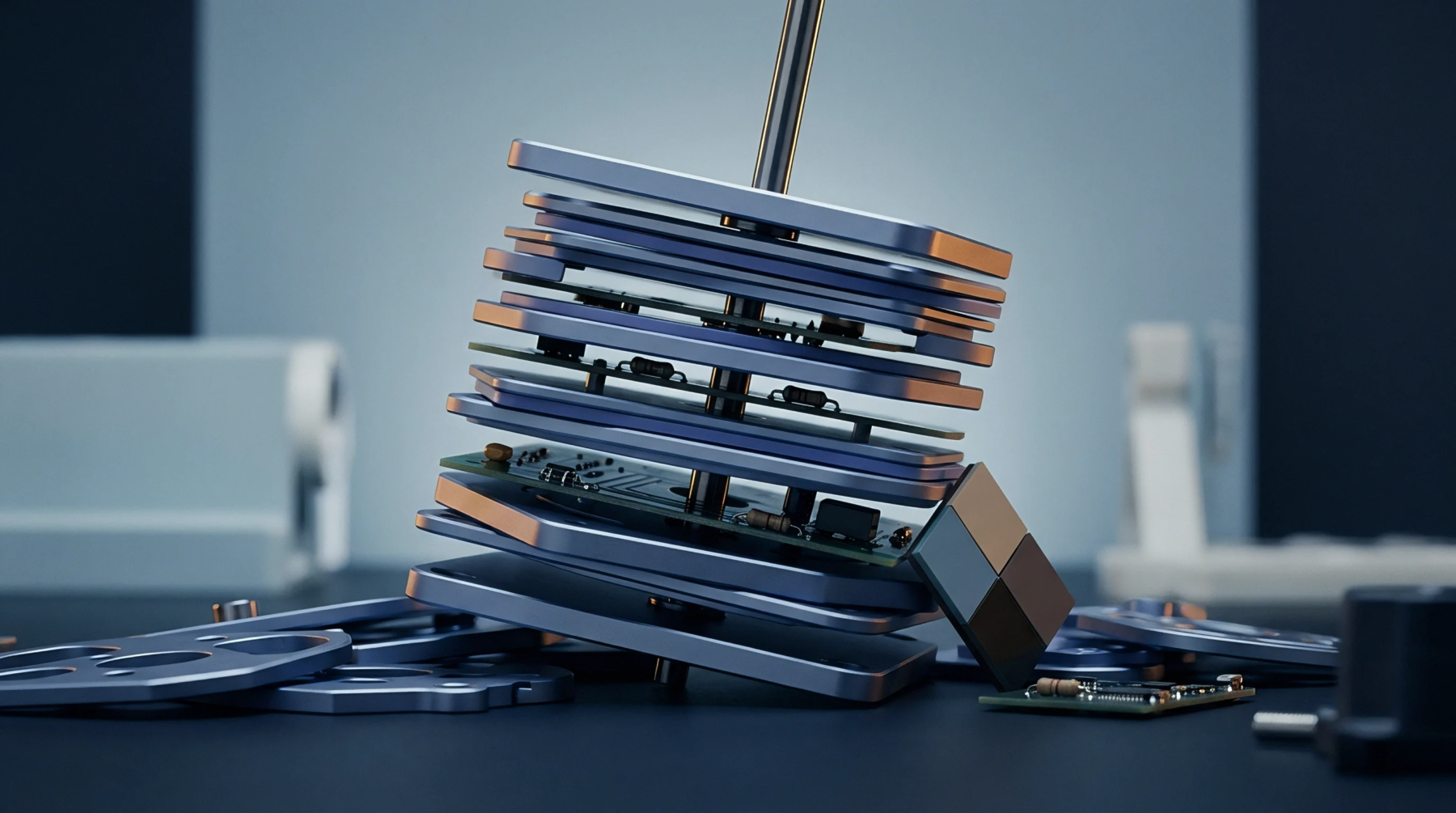
Mechanical energy trapped within the layers of a printed circuit board after the manufacturing process is complete results from the mismatch in thermal expansion between different materials. This residual stress exists without the application of any external load and remains a hidden driver of long-term failure. The tension is concentrated at the interfaces between the copper foils and the resin-impregnated glass cloth.
Processing Cycle
High temperatures during lamination and soldering cause the materials to expand at different rates, but the rigid bonding prevents them from moving freely. As the assembly cools, the resin hardens and locks in the displacement, creating a permanent state of internal stress. This effect is particularly strong in boards with thick copper planes and thin dielectric layers.
Warp Tendency
Sudden changes in the environment or the removal of material through etching can release this energy, causing the board to deform into a new equilibrium shape. If the residual stress is not managed through balanced design and controlled cooling, the board may warp during subsequent assembly steps or even during operation. Manufacturers use baking cycles to slowly relieve some of these forces before the board reaches the assembly line, ensuring that the flatness is maintained within the tolerances required for the precise placement of components and the integrity of the solder joints.