Assembly Operation
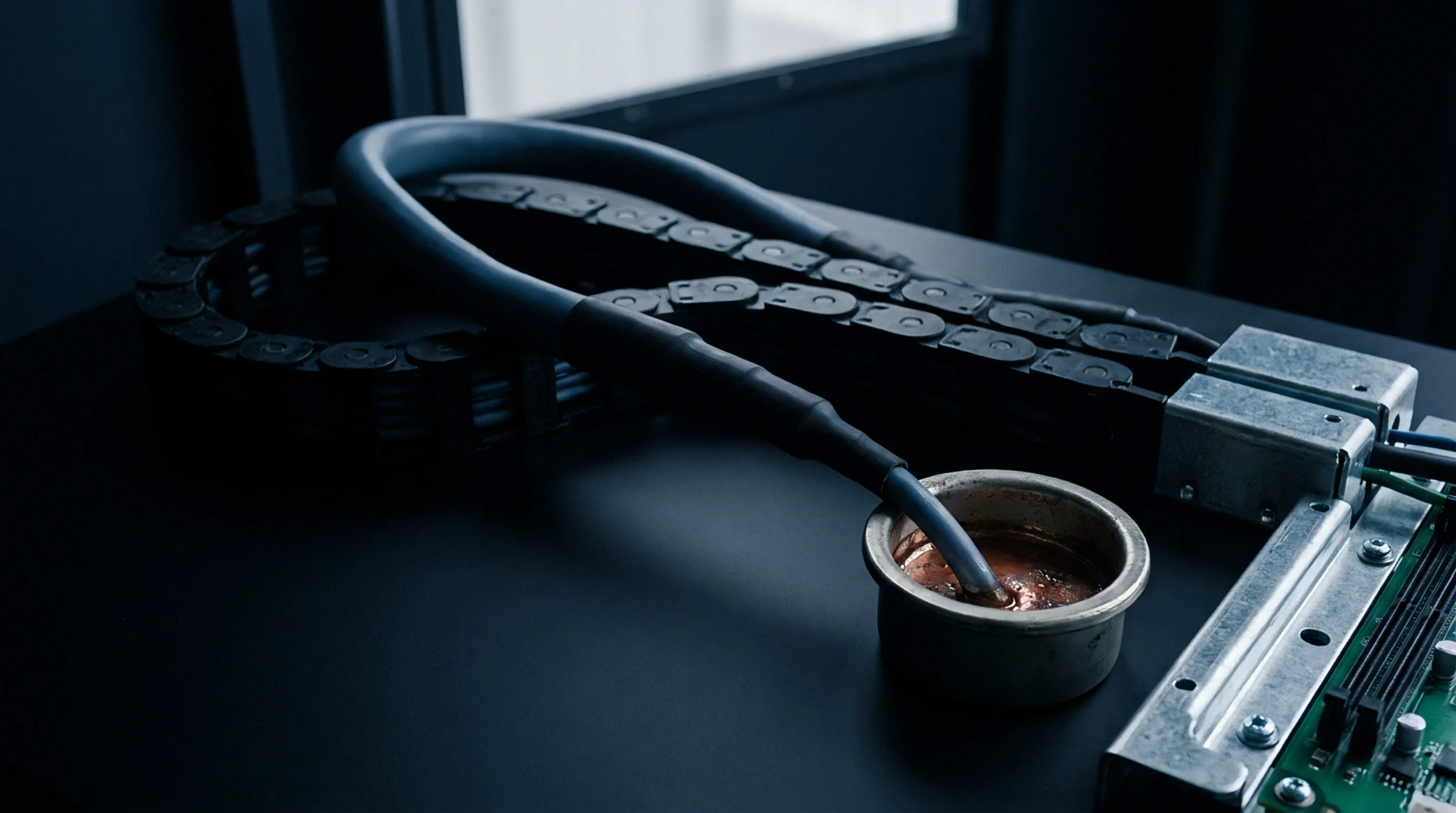
Soldering processes that follow an initial reflow or wave step allow for the attachment of additional components to a circuit board. Secondary wave soldering usually involves passing the board over a second wave of molten metal to complete the connections for through-hole parts. This step is common in complex boards that have components on both sides.
Heat Exposure
Managing the thermal budget of the board becomes more difficult during this second trip through the machine. The components already attached must be protected from the heat of the wave to prevent them from falling off or being damaged. Specialized pallets or masks are used to cover the areas that should not be soldered.
The duration of the contact with the wave and the temperature of the preheaters are set to ensure a good bond without overheating the laminate. Excessive heat can cause the board to warp or the existing intermetallic layers to grow too thick.
Defect Prevention
Proper flux application and preheating are required to ensure the second wave wets the pads correctly. Monitoring the dross levels and the purity of the solder pot maintains the quality of the joints. This operation completes the electrical path for the remaining components.