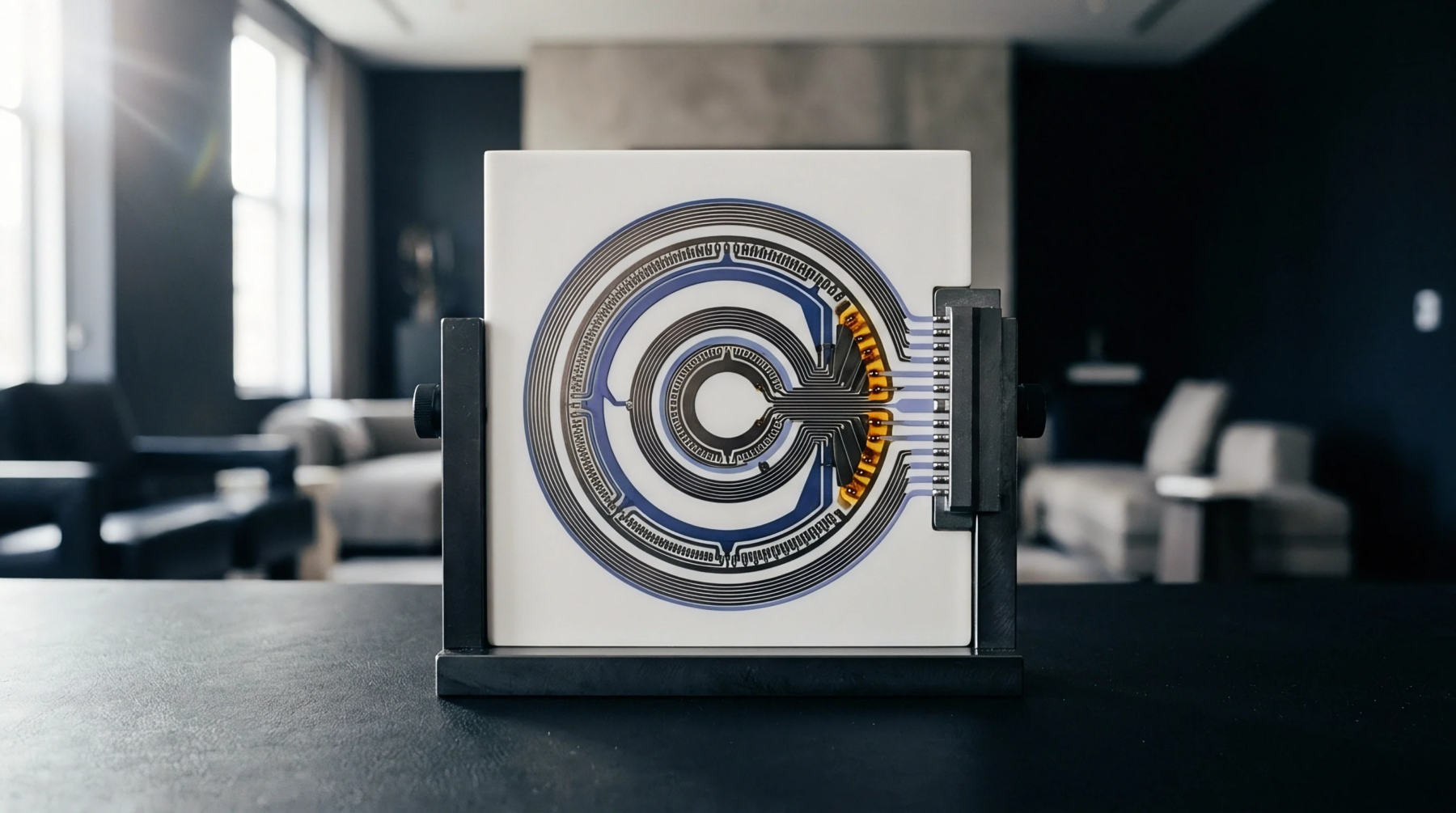
Vector Geometry
Lateral force gradients describe the physical displacement magnitude and directionality across the bond line of a soldered component during thermal cycling. Shear stress vectors represent these forces as they transition through the intermetallic compound layer of a ball grid array or leaded termination. Directional load calculations rely upon the mismatch in coefficients of thermal expansion between the substrate material and the component body.
A higher disparity increases the intensity of these directional forces during expansion phases.
Solder Integrity
Internal material displacement occurs when external thermal loads force the metallic lattice to accommodate strain. Shear stress vectors quantify how these movements accumulate at the heel of a joint or the base of a solder sphere. Engineers observe that uniform dispersion of these forces prevents localized fracture propagation throughout the metallic structure.
Concentrated force fields reduce the expected fatigue life of individual interconnects significantly. Proper pad geometry and solder volume distribution mitigate the accumulation of these forces by providing a broader surface for energy absorption. Analysis of these gradients determines the threshold for long term connection reliability in harsh environments.
Failure to account for the orientation of these forces during the assembly design phase leads to premature cracking in rigid connections.
Failure Prediction
Predictive modeling software calculates the spatial intensity of these loads to identify regions prone to delamination. Technicians apply finite element analysis to map how shear stress vectors align with the physical constraints of a circuit board. This diagnostic method validates that the chosen materials sustain the operational load without degrading the electrical path.
Every calculated coordinate indicates the risk of structural compromise before the board enters high intensity testing cycles. Accuracy in these predictions ensures that the manufacturing process maintains consistent connection durability across all production lots. Verified alignment of these forces confirms the structural adequacy of the intended interconnect design.