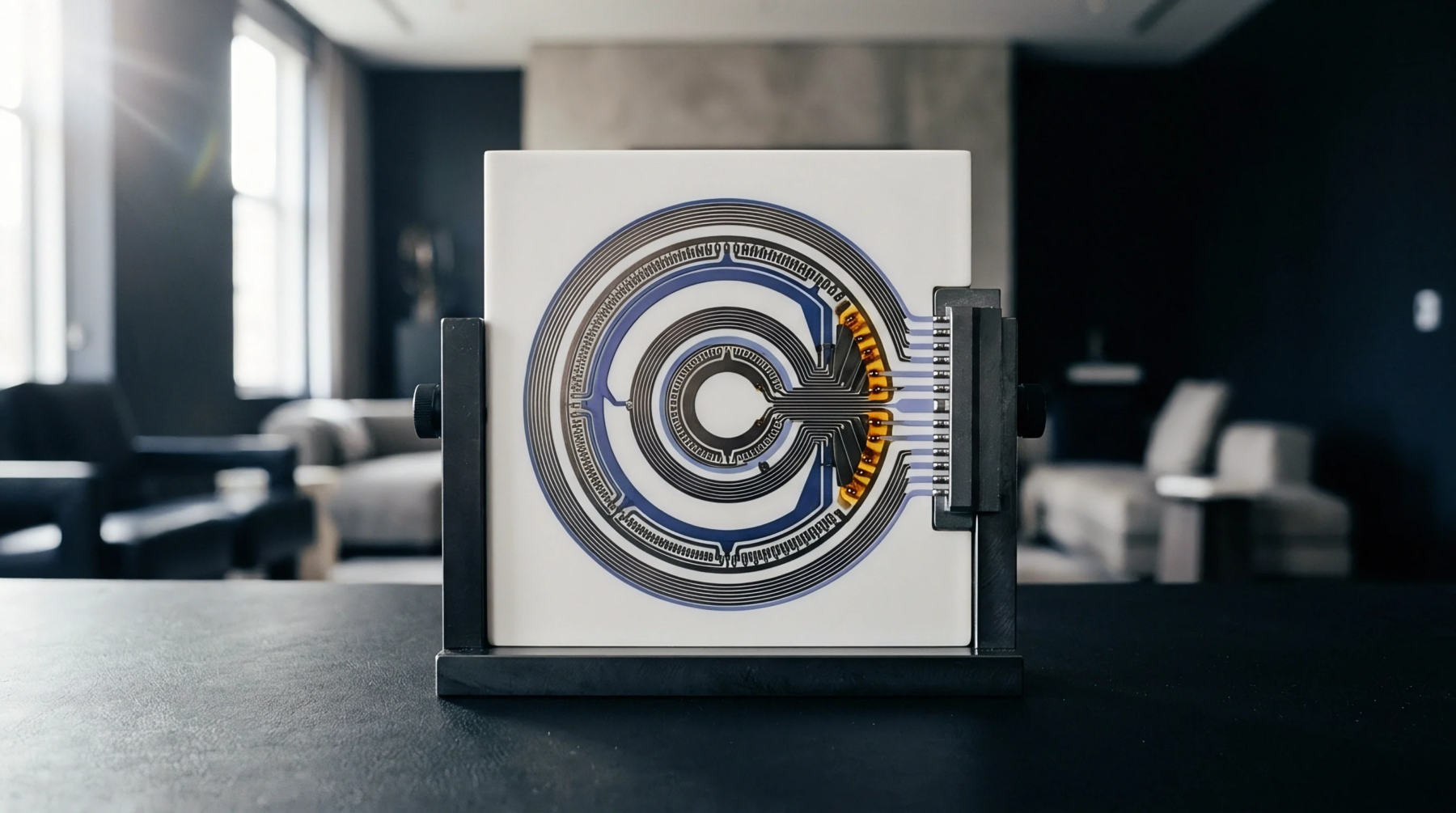
Mechanical Alignment
Fixture designs incorporating soft-touch probe actuators require rigid mechanical alignment to prevent lateral side-loading during vertical displacement. Spring-loaded pin contacts experience premature fatigue when displacement vectors deviate from the true vertical axis by more than two degrees. Assembly engineers mount these testing devices on precision ground baseplates to maintain parallelism across the entire bed of nails fixture.
Contact force calibration relies on spring rate calculations specified by manufacturers to ensure adequate scrubbing action without damaging delicate component pads.
Electrical Resistance
Low-level signal verification across soft-touch probe actuators depends on maintaining stable contact resistance throughout the operational lifespan of the test fixture. Oxidation layers on gold-plated plunger tips break down under specific downward travel distances, establishing reliable electrical continuity with printed circuit board test points. Signal degradation occurs when contaminants accumulate on the receptacle barrel, necessitating solvent cleaning cycles during scheduled maintenance shutdowns.
Resistance thresholds above fifty milliohms trigger automatic calibration warnings on automated test equipment platforms.
Thermal Drift
Dimensional expansion in aluminum fixture plates alters the stroke depth of soft-touch probe actuators during extended manufacturing runs inside surface mount technology lines. Ambient temperature shifts cause microscopic changes in the vertical positioning of the probe plate relative to the circuit board support pillars. Operators compensate for thermal expansion by programming temperature correction offsets into the test system software before executing high-volume electrical test routines.
Excessive thermal stress damages internal coil springs, resulting in permanent height deformation and incomplete circuit board contact during functional testing.