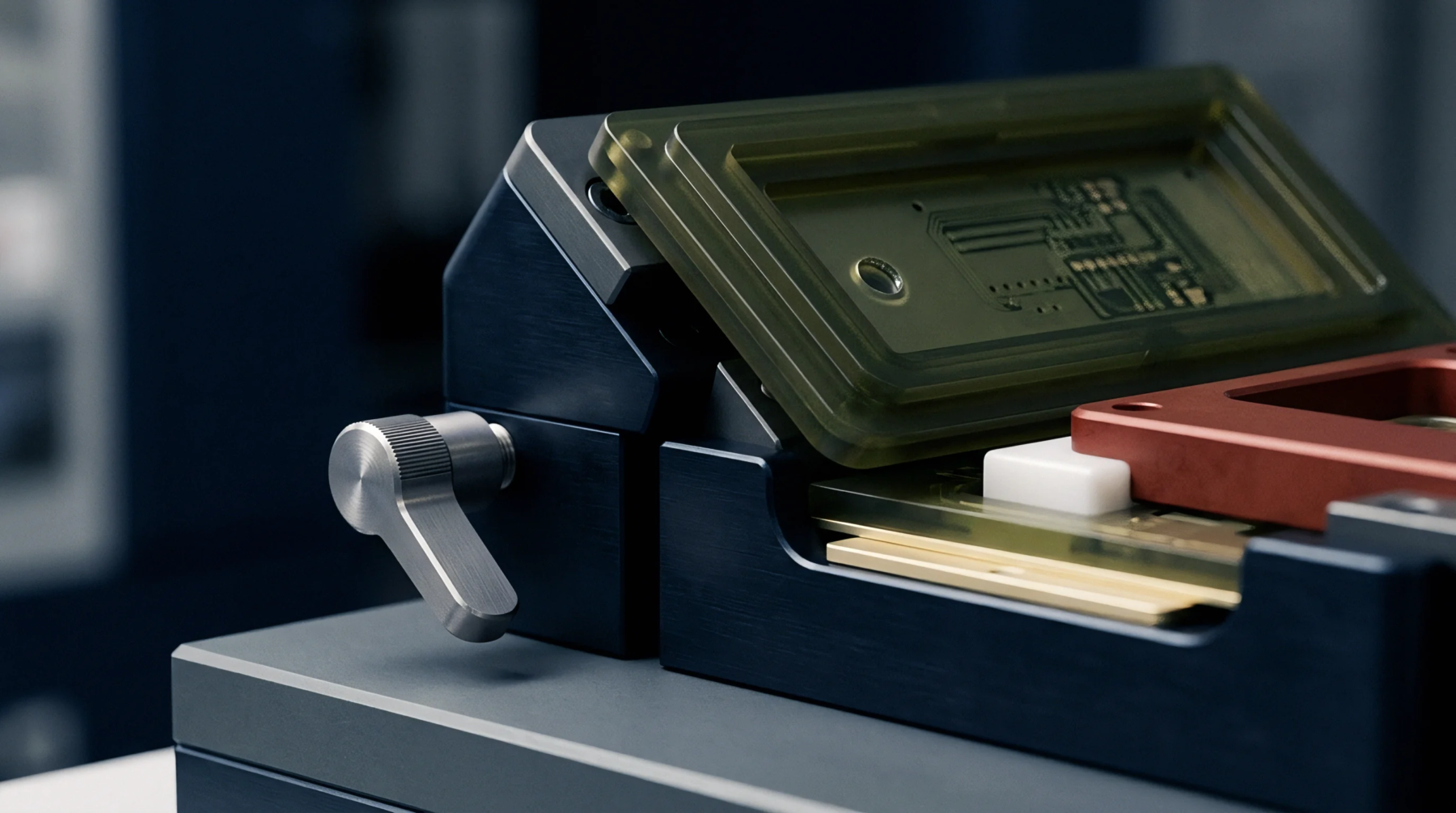
Calculating Electric Field Enhancements at Treated Copper Foil Nodule Peaks
Calculated electric field enhancements at copper nodule peaks multiply nominal voltage stress up to twenty times, requiring profile-aware dielectric derating.
Calculated electric field enhancements at copper nodule peaks multiply nominal voltage stress up to twenty times, requiring profile-aware dielectric derating.
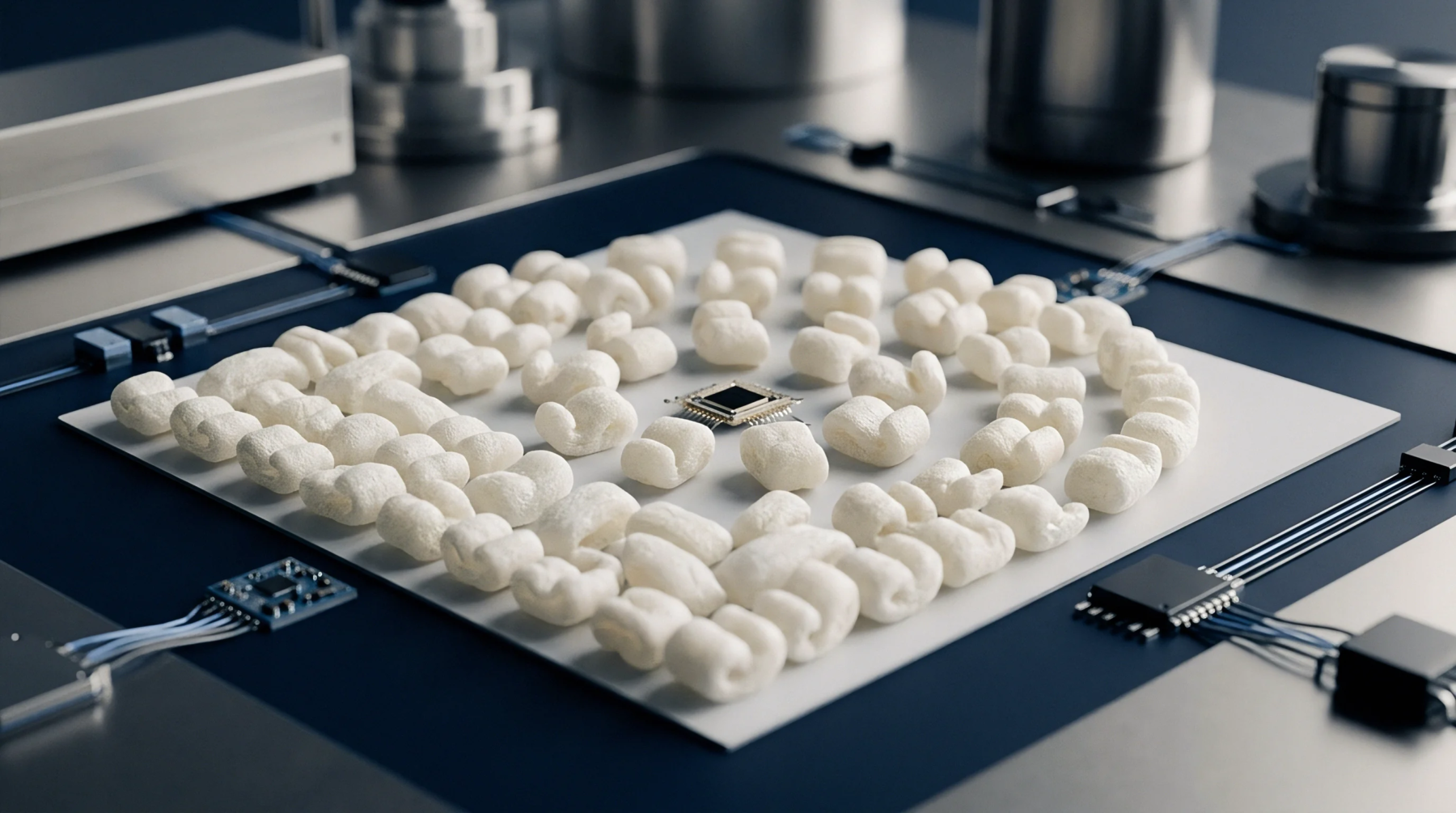
Ground layer conductive losses at high frequencies depend primarily on copper foil surface roughness profiles and reference current loop paths.
Phase distortion calibration extracts true propagation velocity by de-embedding fixture parasitics and compensating for copper profile inductance and weave skew.
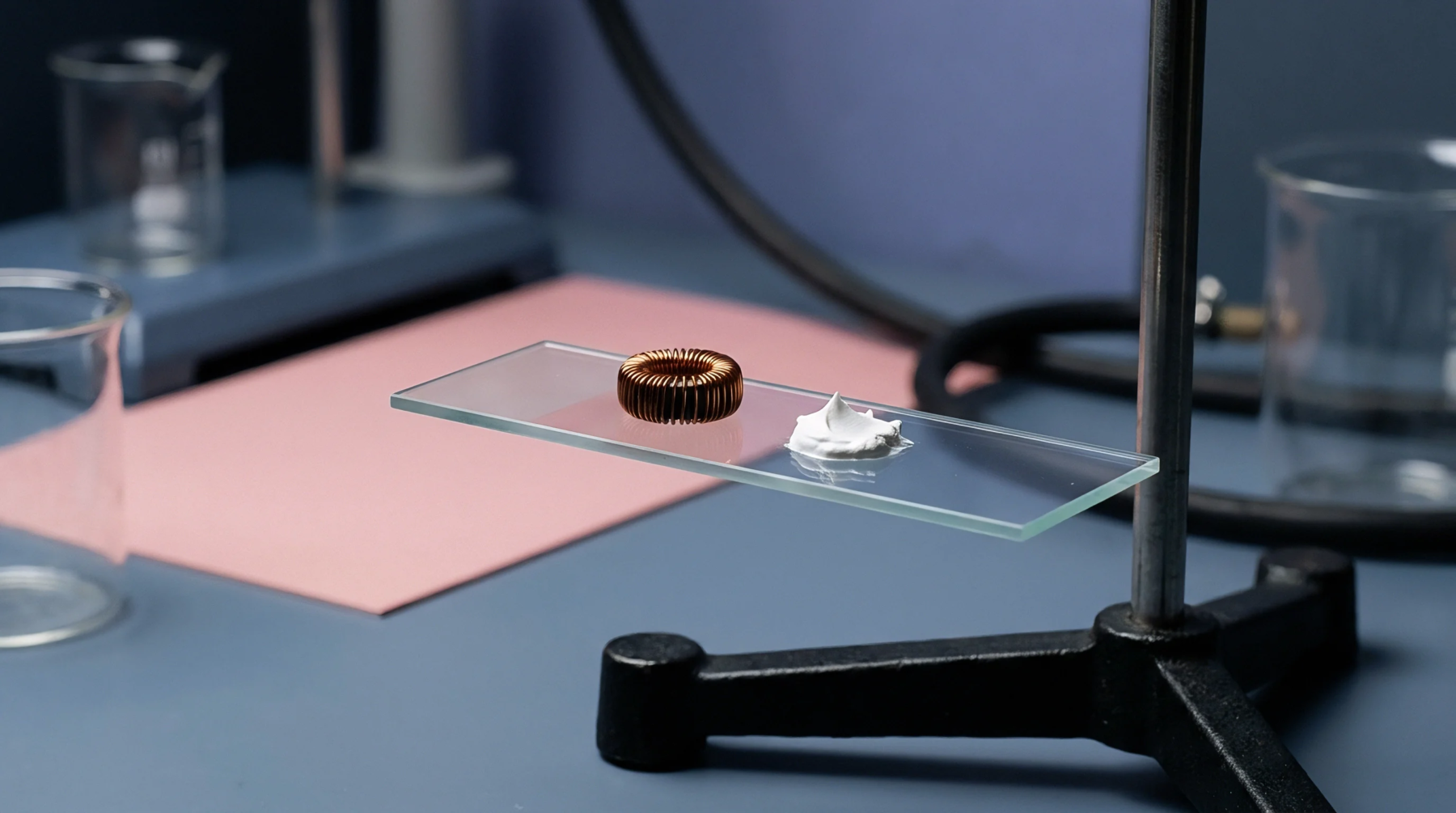
Characterizing step stencil transition drops requires isolating squeegee skip shadows using 3D SPI and enforcing a 1.5 mm keep-out to prevent joint starvation.
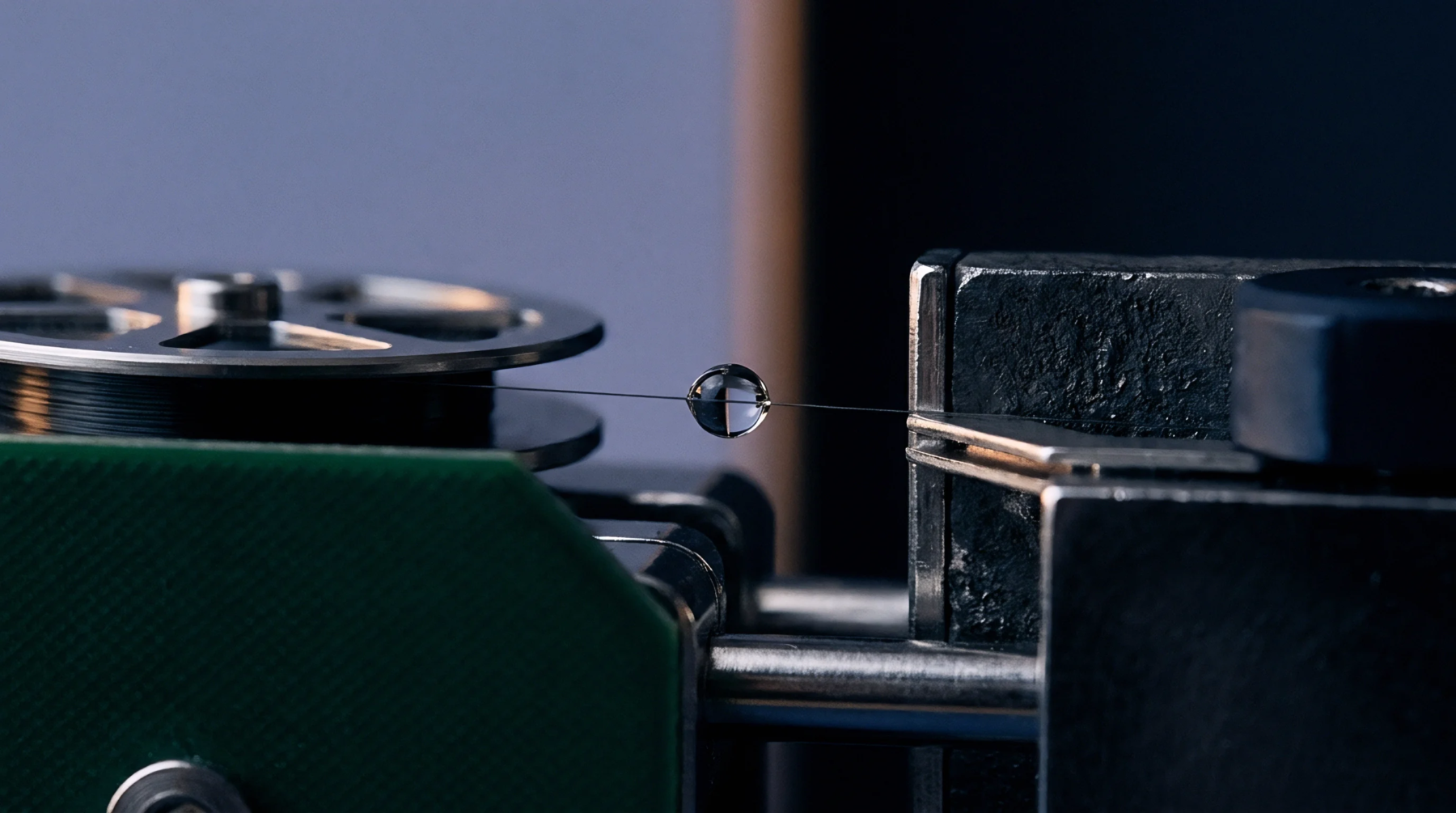
Target impedance modeling defines maximum power rail impedance limits across frequency to suppress transient voltage ripple through thin plane cavity stackups.
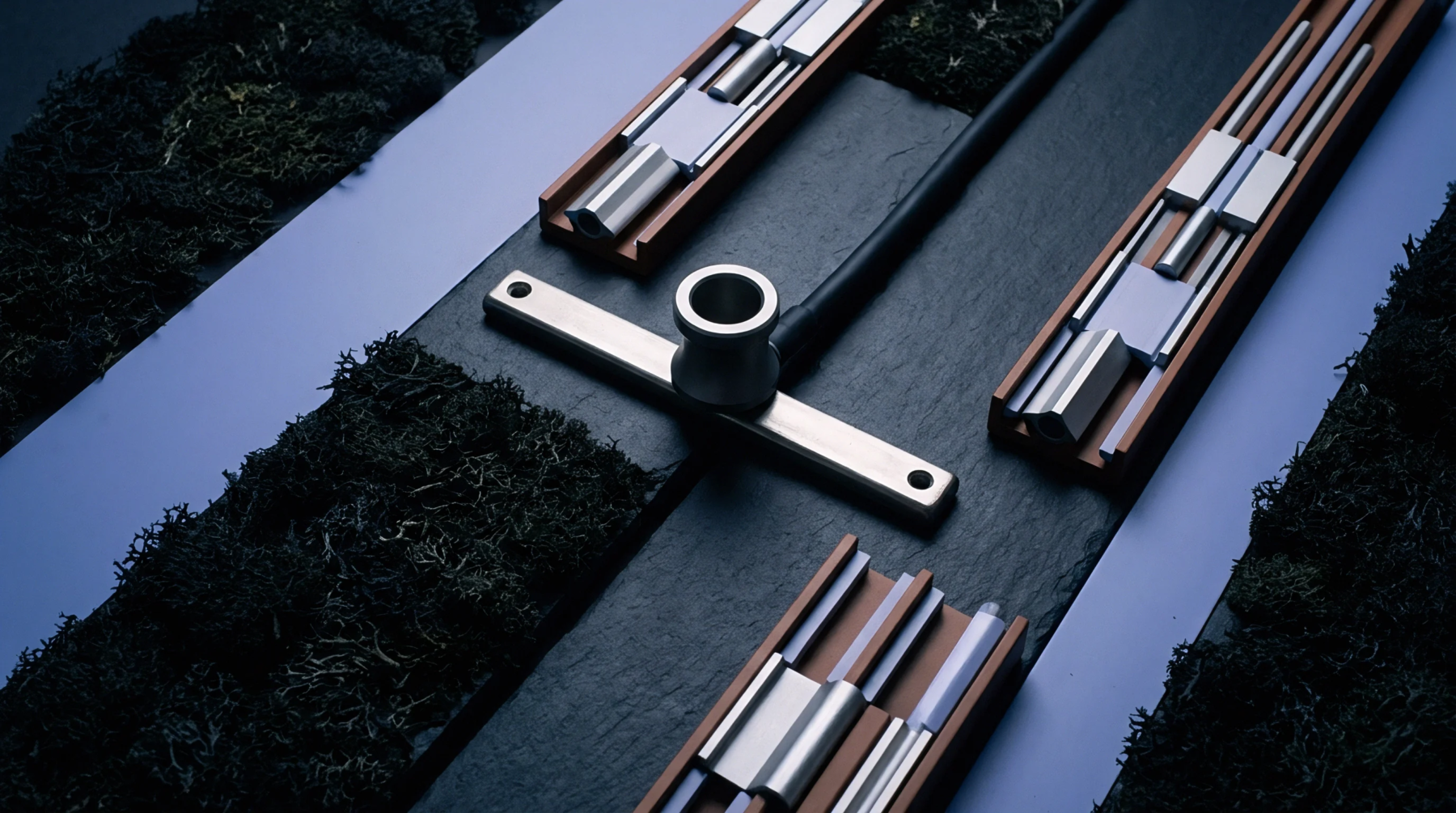
Calibrating HDI propagation delay demands de-embedding test fixture launches and extracting frequency-dependent permittivity from real coupon return geometries.
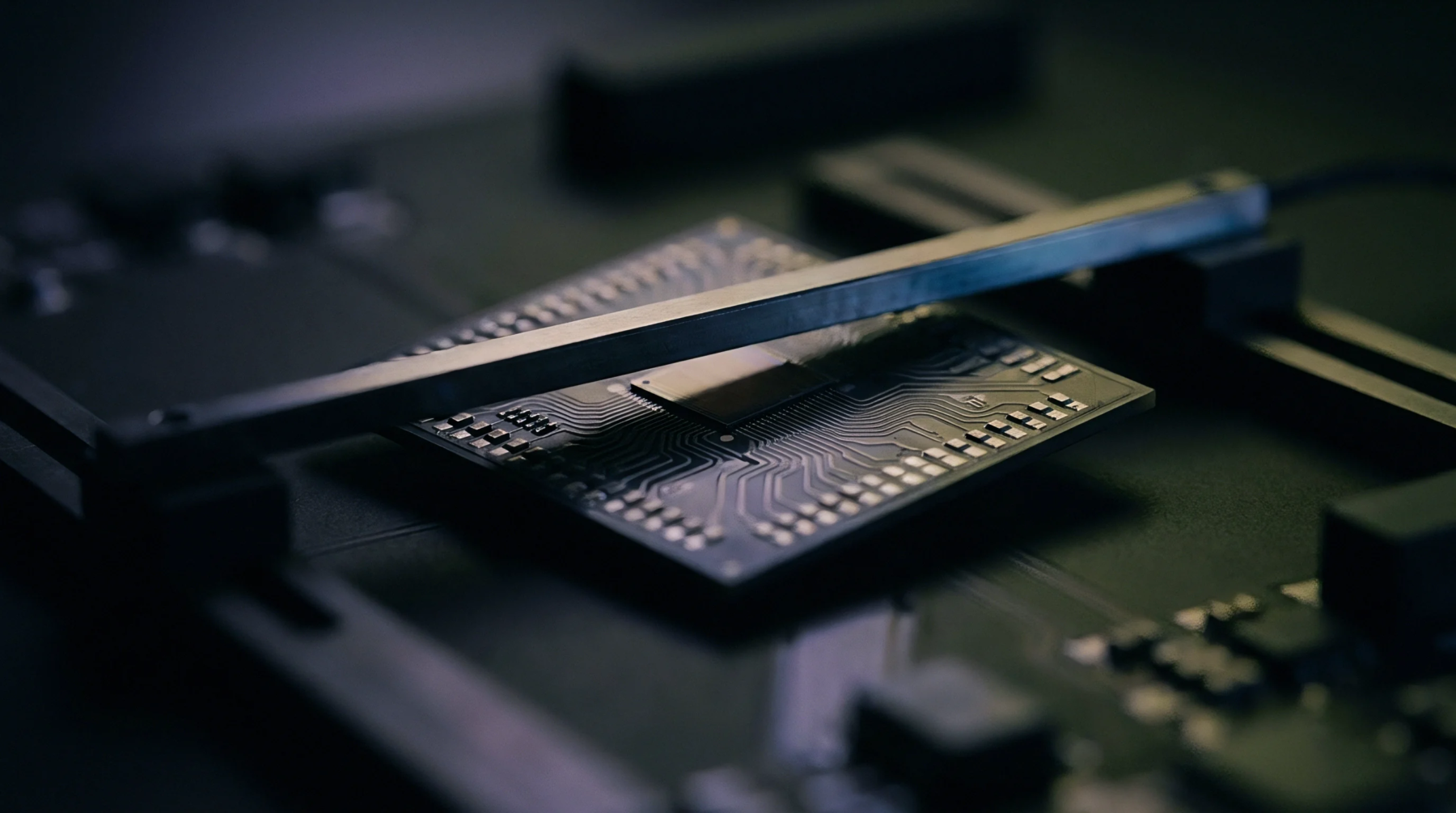
Extracting z-axis permittivity requires clamped stripline or disk resonators to isolate normal fields from in-plane glass weave bias and copper tooth delays.
Expertise is a utility, not a secret. sentiention™ publishes its working knowledge as open reference: intelligence layer covering the materials it sources, the markets it enters, and the reference that serves both.