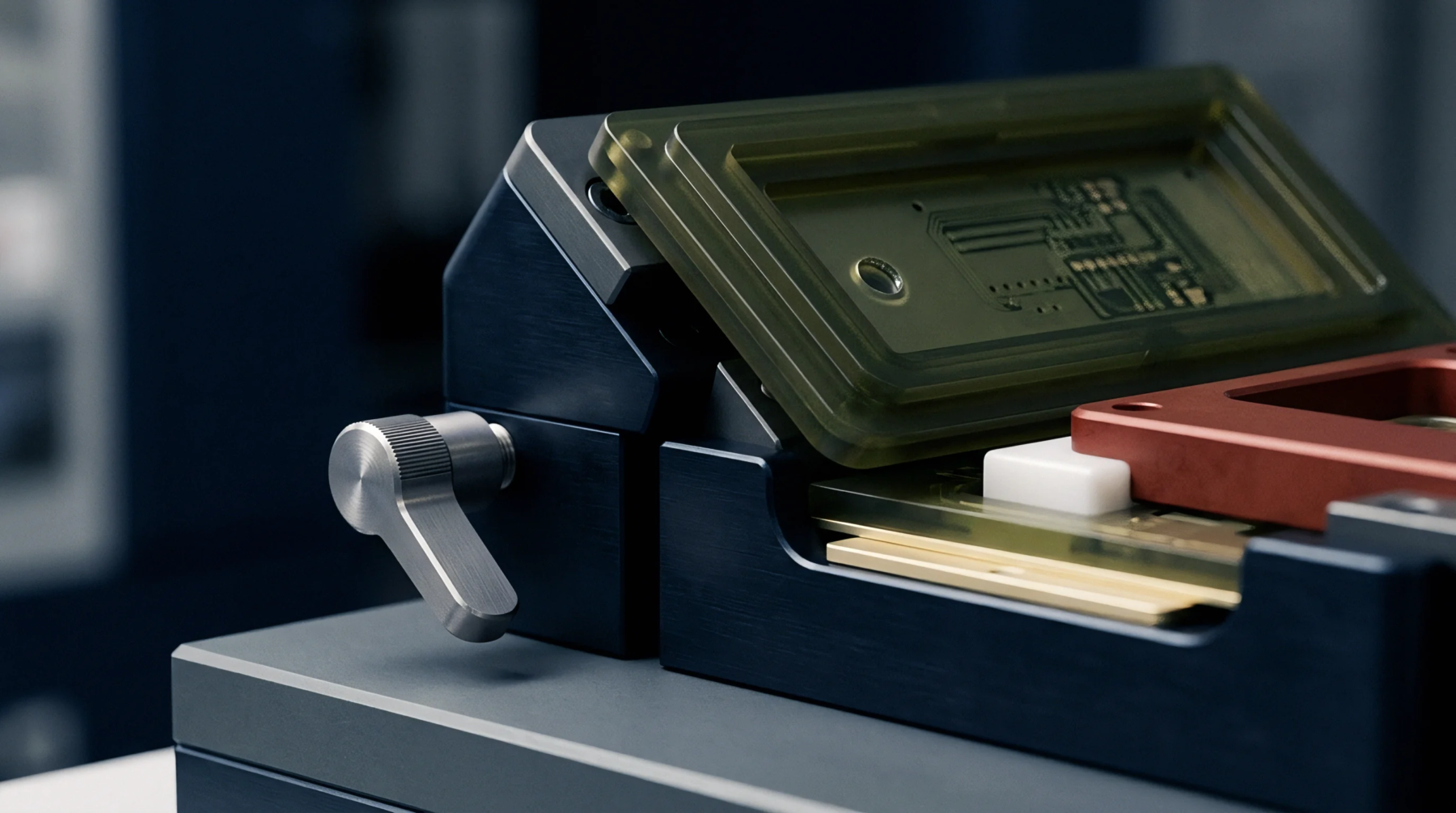
Calculating Electric Field Enhancements at Treated Copper Foil Nodule Peaks
Calculated electric field enhancements at copper nodule peaks multiply nominal voltage stress up to twenty times, requiring profile-aware dielectric derating.
Calculated electric field enhancements at copper nodule peaks multiply nominal voltage stress up to twenty times, requiring profile-aware dielectric derating.
Dynamic capillary contact line instability across foil microstructures is eliminated by matching low-profile foil topologies to extended low-viscosity press ramps.
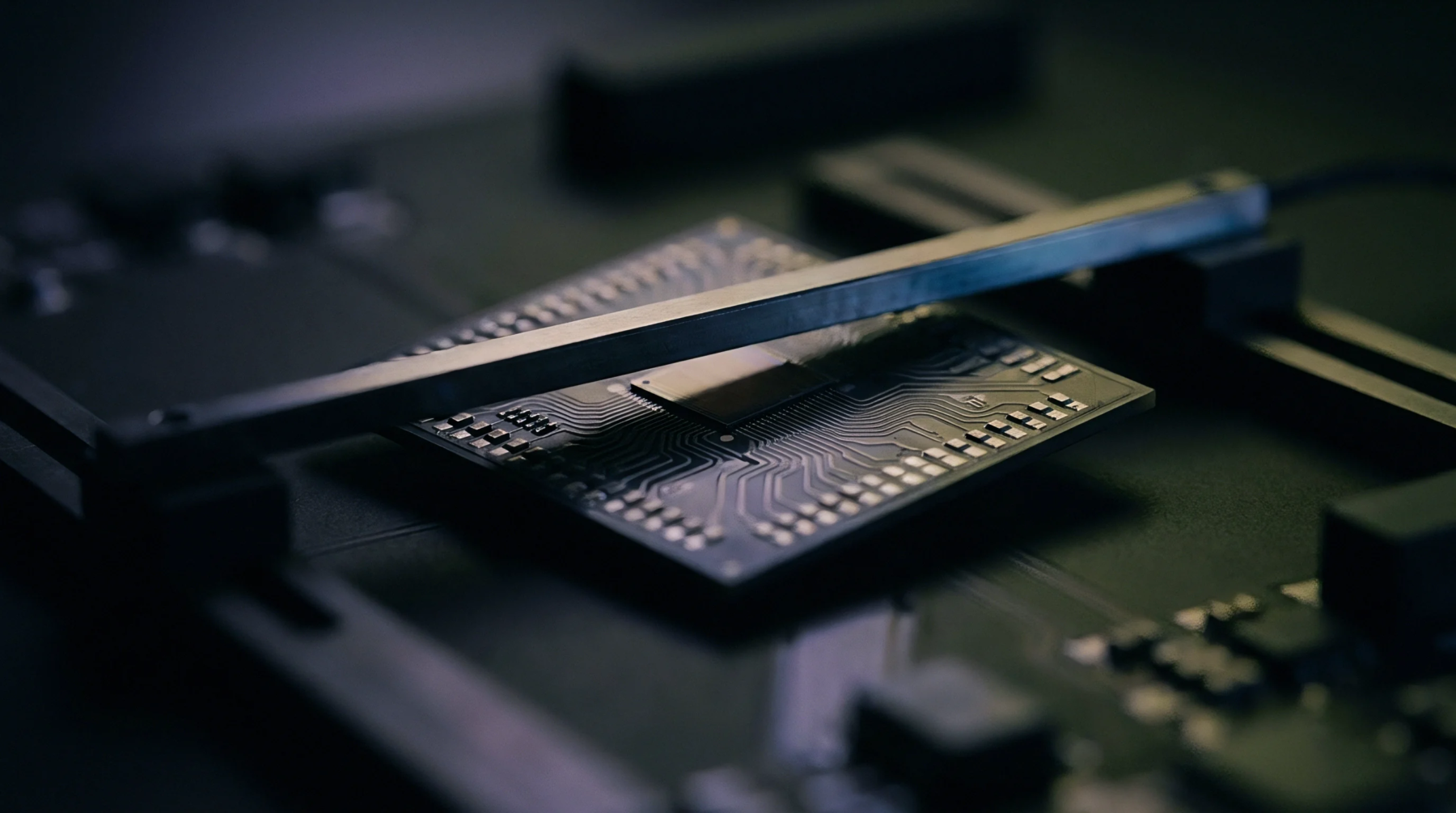
Extracting z-axis permittivity requires clamped stripline or disk resonators to isolate normal fields from in-plane glass weave bias and copper tooth delays.
Atomic force power spectral density models sub-terahertz copper loss by mapping nanoscale spatial frequency harmonics that standard profile metrics ignore.
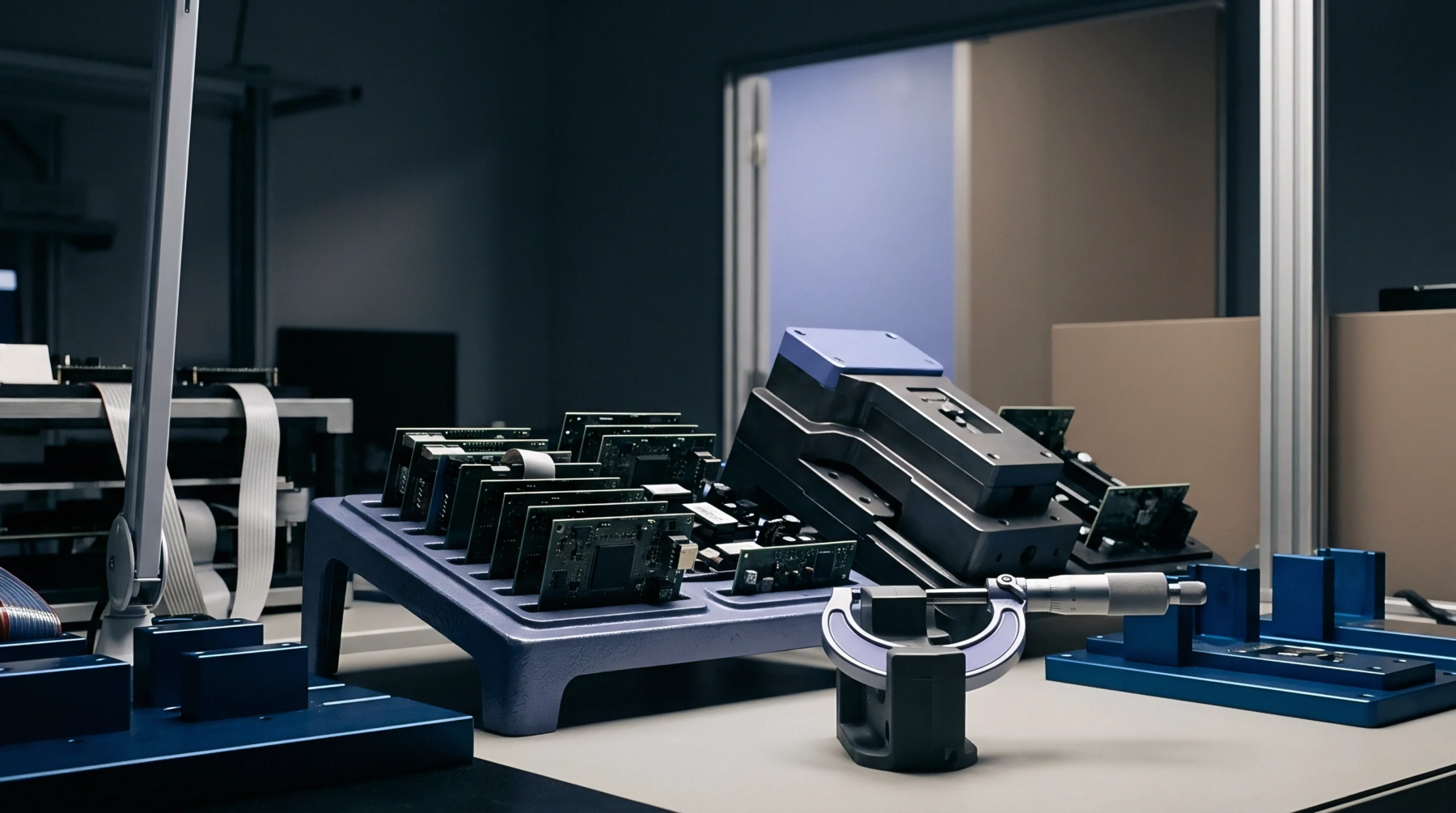
Sub-terahertz transmission models must combine inductive copper profile reactance with interfacial resin capacitance to prevent catastrophic phase velocity errors.
Specifying IPC-4101 slash 126 or 130 laminates limits z-axis expansion below 2.5 percent, preventing microvia target pad separation during 260°C reflow.
Registration drift compresses inner-layer clearances, converting nominal spacing into steep electric fields that accelerate dielectric rupture and filament growth.

Copper foil roughness profiles dominate gigahertz conductor loss, causing up to forty percent attenuation variations across equivalent IPC-4101 slash sheets.
High-frequency phase delay anisotropy stems from woven reinforcement and foil grain directions; locking panel alignment ensures repeatable channel timing.
Expertise is a utility, not a secret. sentiention™ publishes its working knowledge as open reference: intelligence layer covering the materials it sources, the markets it enters, and the reference that serves both.