Viscoelastic Shift
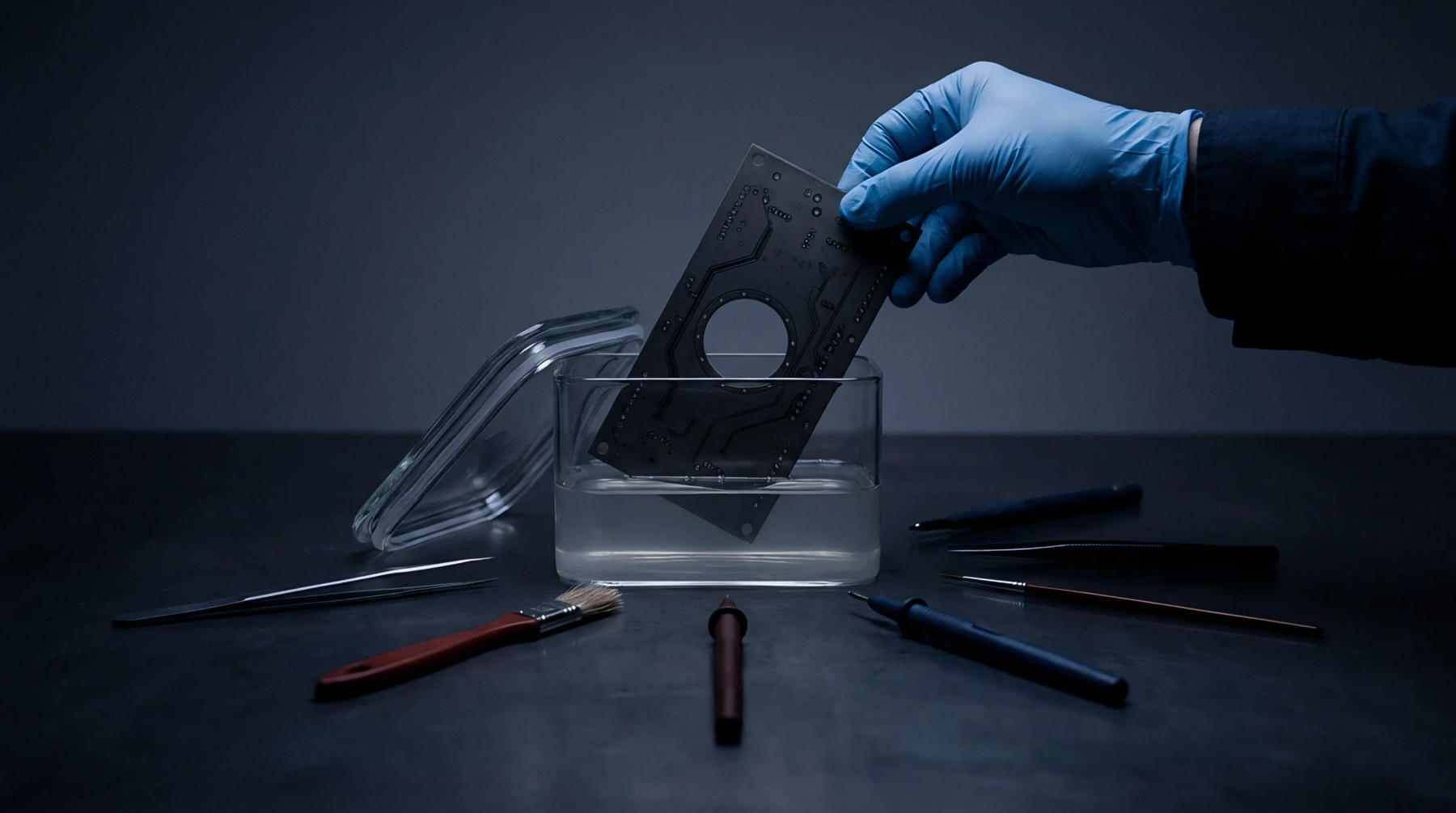
Empirical equation describing temperature dependence of polymer relaxation times near and above the glass transition region provides material behavior models for printed circuit board resins. Applying the williams-landel-ferry equation enables prediction of viscoelastic stress relaxation in laminate matrices during high-temperature thermal cycling. Polymer chain mobility increases rapidly above glass transition, altering mechanical stiffness and dielectric loss tangent parameters.
ASTM E1640 specifies dynamic mechanical analysis methods used to derive empirical constant parameters for polymer substrate materials.
Temperature Shift
Time-temperature superposition principles correlate short-term mechanical tests at elevated temperatures to long-term creep performance under operating thermal conditions. Incorporating the williams-landel-ferry model allows polymer mechanics calculation across extended timeframes without conducting multi-year physical aging experiments. Inaccurate shift factors cause underestimation of board warpage and via fatigue under long-term thermal stress exposure.
Dynamic mechanical analysis measures storage modulus shifts across thermal sweeps, producing master curves for epoxy and polyimide laminate systems. Substrate deformation predictions guide material selection for high-reliability automotive and aerospace electronic assemblies operating near thermal limits.
Relaxation Spectrum
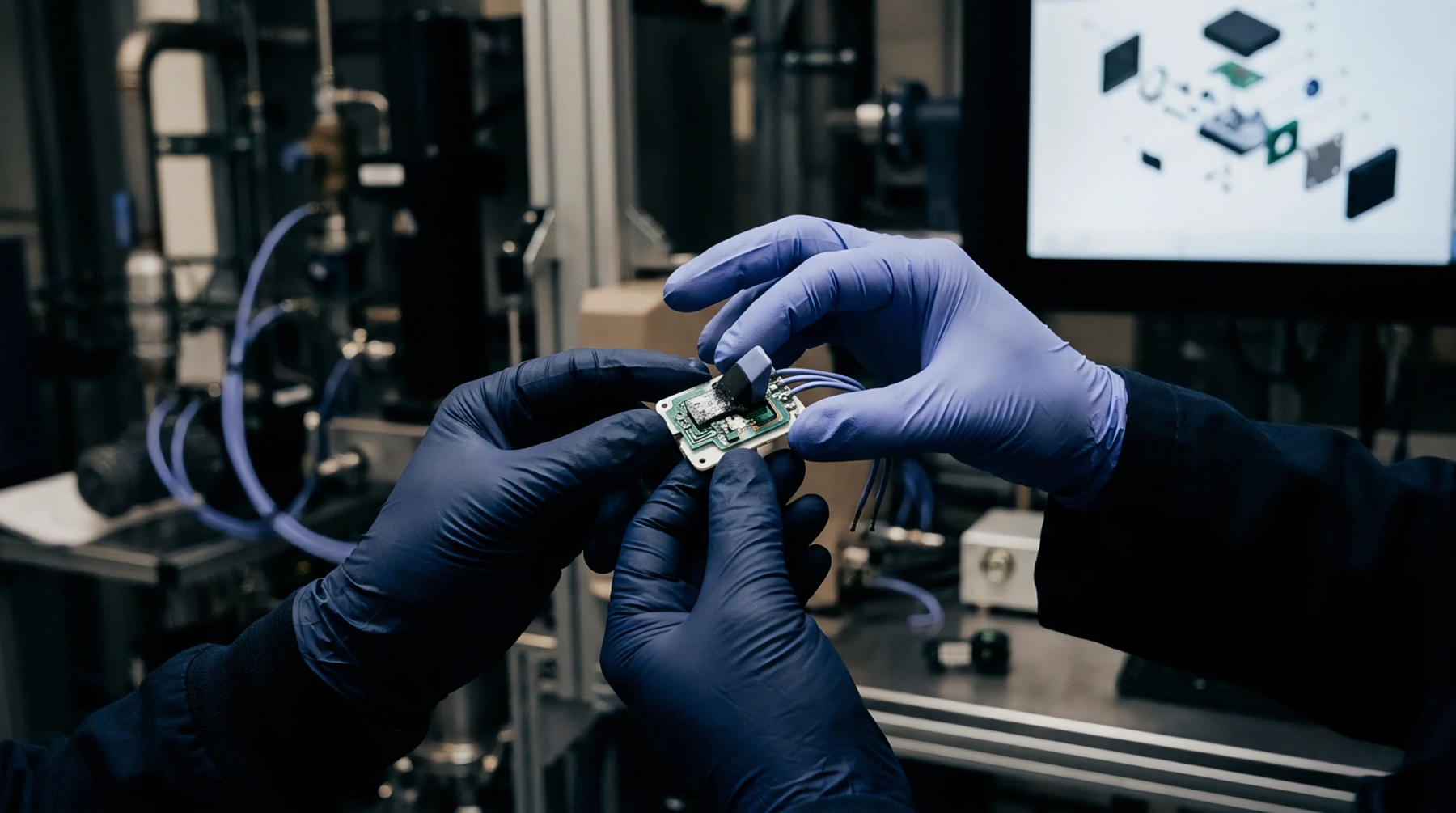
Viscoelastic material modeling predicts stress decay dynamics within encapsulated electronics and underfill layers over extended operating lifespans. Evaluating the williams-landel-ferry equation constants ensures accurate thermomechanical simulations of solder joint strain during accelerated thermal testing. Material qualification labs establish empirical baseline values using frequency-sweep mechanical analysis.