
Integrating Boundary Scan Vectors with Bed of Nails in Circuit Testing
Integrating boundary scan vectors into bed of nails fixtures closes non-access coverage gaps while reducing physical probe strain and assembly rework costs.
Integrating boundary scan vectors into bed of nails fixtures closes non-access coverage gaps while reducing physical probe strain and assembly rework costs.

Bed-of-nails test fixtures demand empirical strain gauge verification to ensure dynamic microstrain levels stay below component limits and prevent latent pad cratering.
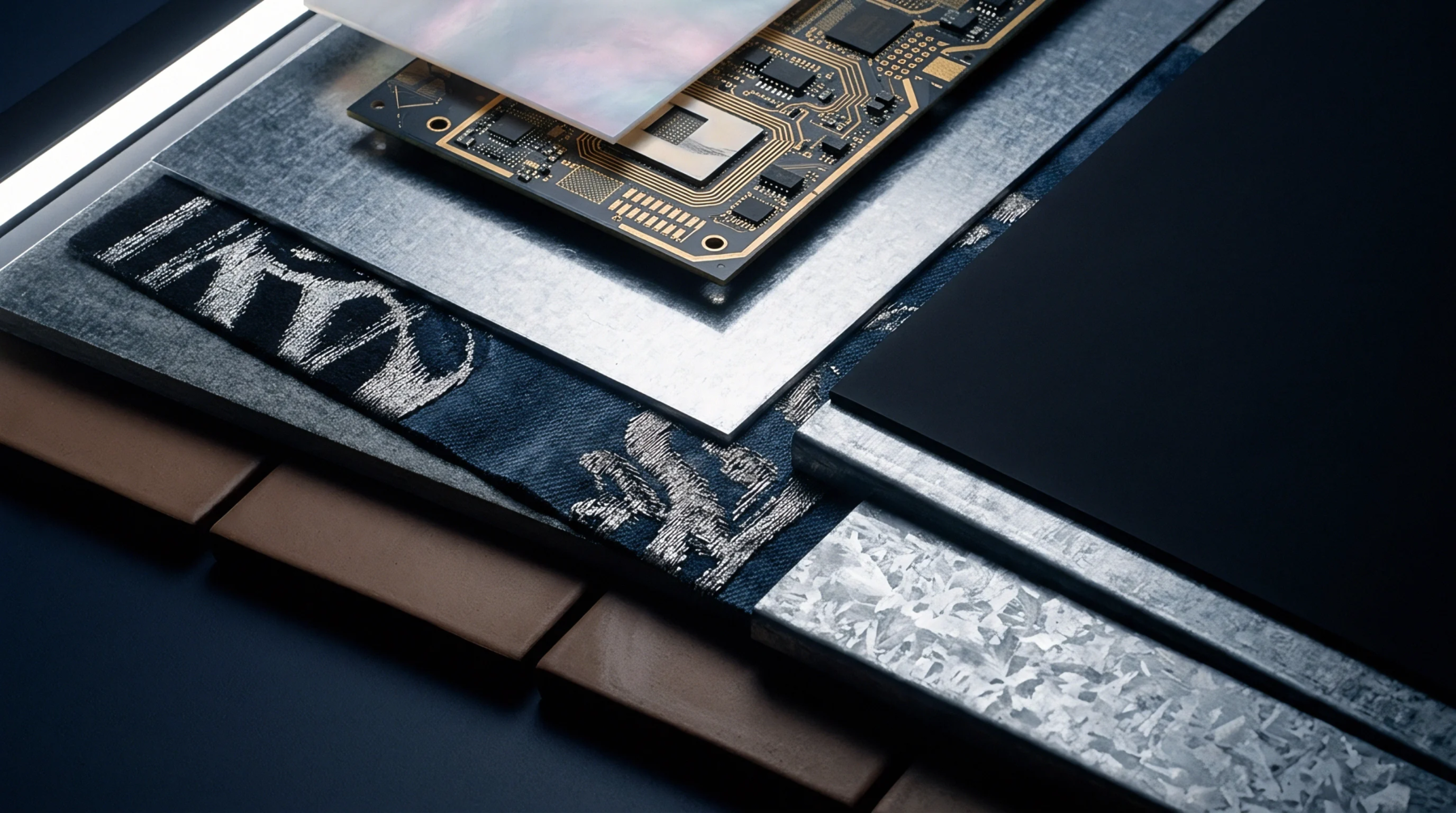
Modeling probe parasitics and edge skew on boundary scan nets prevents false test failures and maintains scan chain timing margins under fixture actuation.
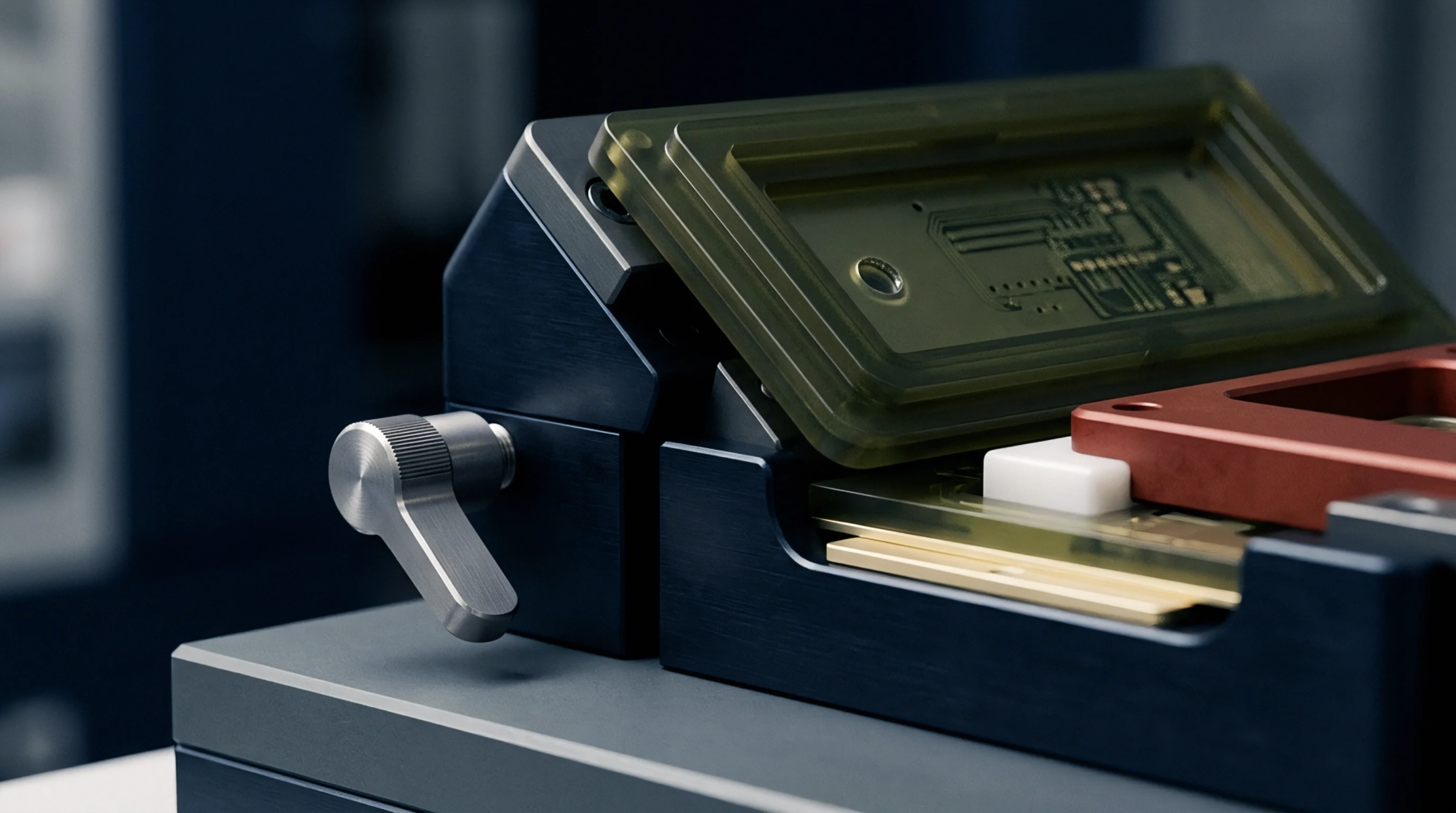
Maximizing nodal access balances minimum test pad diameters against fixture pointing tolerances and mechanical strain limits to prevent board damage.
Expertise is a utility, not a secret. sentiention™ publishes its working knowledge as open reference: intelligence layer covering the materials it sources, the markets it enters, and the reference that serves both.