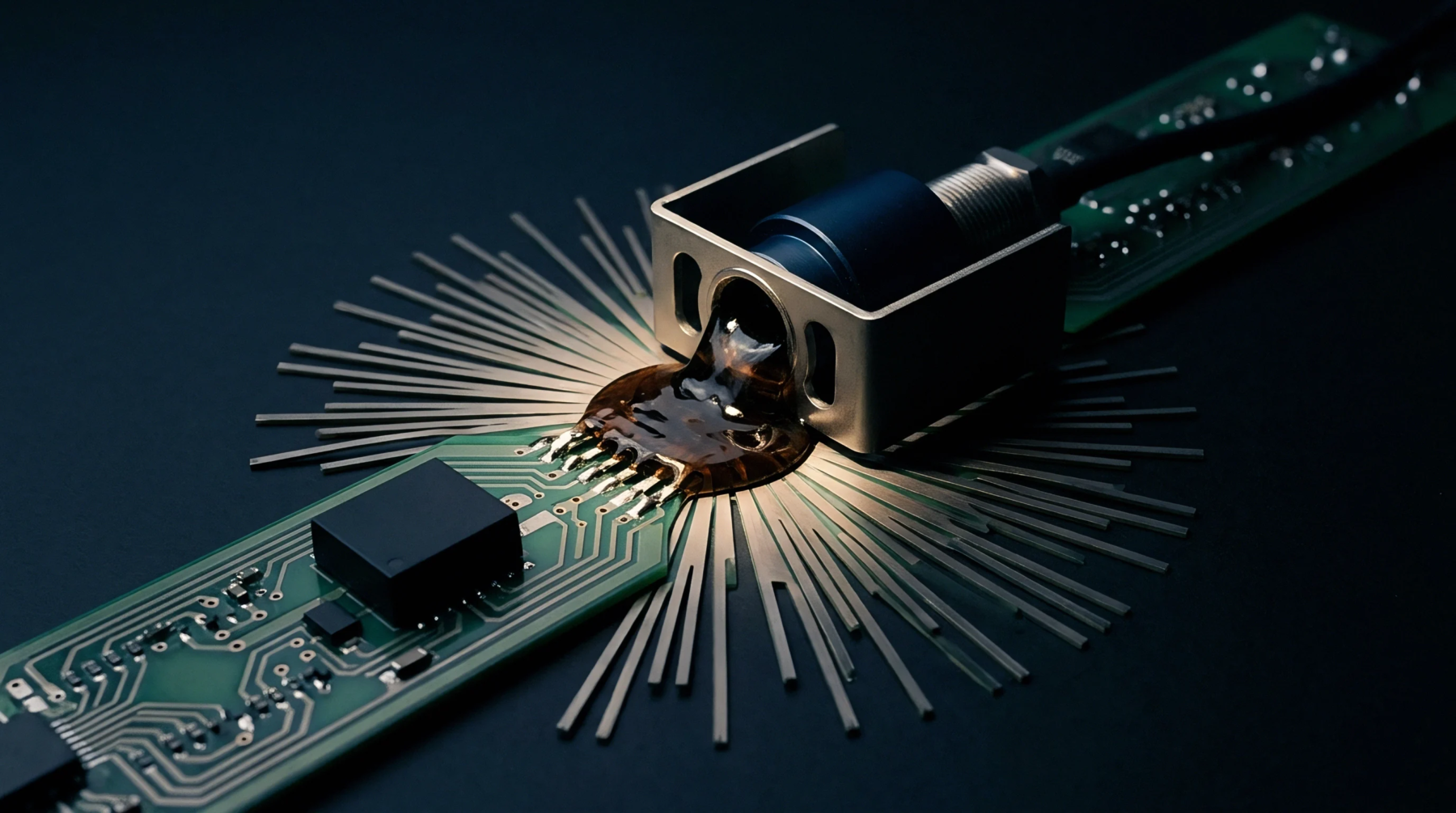
Internal Diagnostics
Hardware logic residing within a semiconductor device executes autonomous verification routines to confirm operational integrity without external test equipment. This built in self test mechanism shifts the burden of fault detection from external hardware to the internal architecture of the integrated circuit. Modern processors and high density memory components contain these autonomous structures to detect stuck at faults, timing delays, or memory corruption during power on sequences or idle periods.
Logic gates perform these checks by generating pseudo random patterns that exercise internal circuitry and comparing the resulting output signatures against stored reference values.
Operational Logic
Dedicated circuitry monitors the performance of the system to isolate failures within specific blocks of a complex silicon die. The built in self test process activates either at device startup or during periodic system interrupts to ensure the hardware maintains functional reliability. Designers place these controllers in high speed digital paths where traditional probing causes signal distortion or exceeds pin counts on limited access packages.
Failure results from these internal checks trigger status flags in registers which external firmware reads to report the hardware health.
Verification Threshold
System architects calculate the fault coverage percentage to determine the density and location of the scan chains inserted into the design. Comprehensive analysis of the built in self test capability identifies the ratio of detectable gate transitions relative to total circuit complexity. Manufacturing standards dictate that boards containing devices with these features receive reduced external vector requirements during automated test equipment cycles.
High coverage metrics allow production floors to bypass slow functional testing, as internal logic confirms the stability of the component at the intended clock frequency.