Electrical Pathology
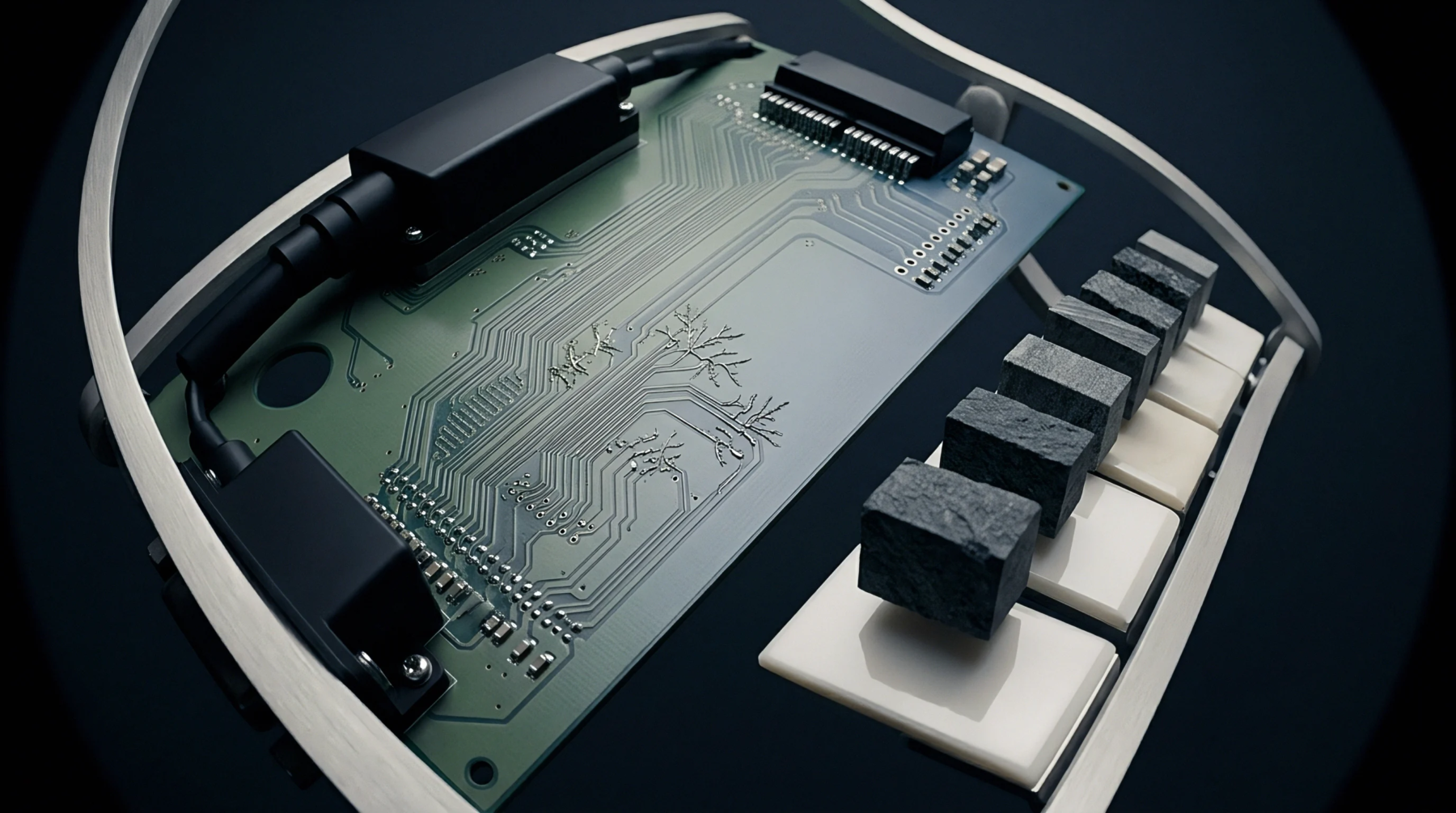
Unintended current flow across the insulation barriers between adjacent conductive terminals defines this phenomenon in electronic assemblies. Connector pin leakage occurs when contaminants or surface defects create a low impedance path that allows signal or power transit outside of specified design limits. Dielectric breakdown within the connector body or the accumulation of conductive residue on the header face facilitates this failure mode.
Detection Standard
Automated optical inspection and high voltage insulation resistance testing capture these faults during the post assembly production stage. Resistance measurements between adjacent pins determine if the values remain above the minimum threshold required for stable circuit performance. Capacitance checks occasionally identify internal structural breaches that precede complete insulation failure.
Verification relies on applying a stimulus voltage that exceeds operational peaks to trigger current migration across the compromised barrier. Small gaps in the dielectric material or ionic residues from the soldering process create paths that allow electricity to bypass the intended metal contact.
Thermal Consequence
Excessive heat generation at the interface point degrades the surrounding plastic housing material over repeated usage cycles. Localized warming causes chemical changes in the polymer structure that further diminish the electrical resistivity of the area. Deterioration accelerates until the connector suffers catastrophic shorting or mechanical deformation.
Long term stability of the assembly depends on maintaining an environment free of conductive moisture and dust to ensure the pins remain isolated from each other.