
Microstructural Coarsening Dynamics in Double Sided Surface Mount Reflow Assemblies
Secondary reflow exposure drives solid-state intermetallic coarsening on inverted joints, degrading shear fatigue resistance long before electrical failure.
Secondary reflow exposure drives solid-state intermetallic coarsening on inverted joints, degrading shear fatigue resistance long before electrical failure.
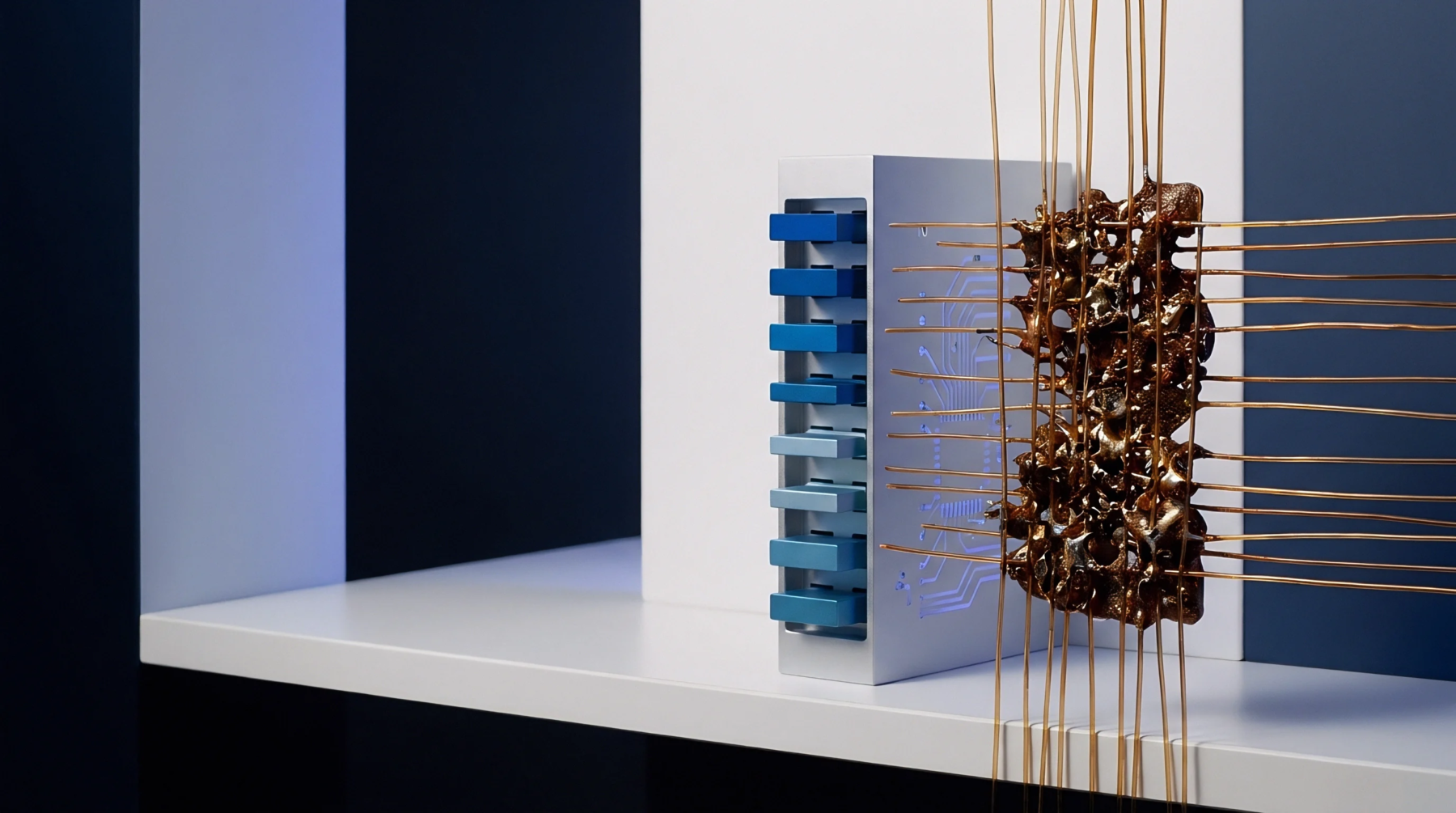
Dynamic multi-frequency phase calibration cancels convection noise and substrate motion, preventing optical false rejects and open joints during SMT reflow.
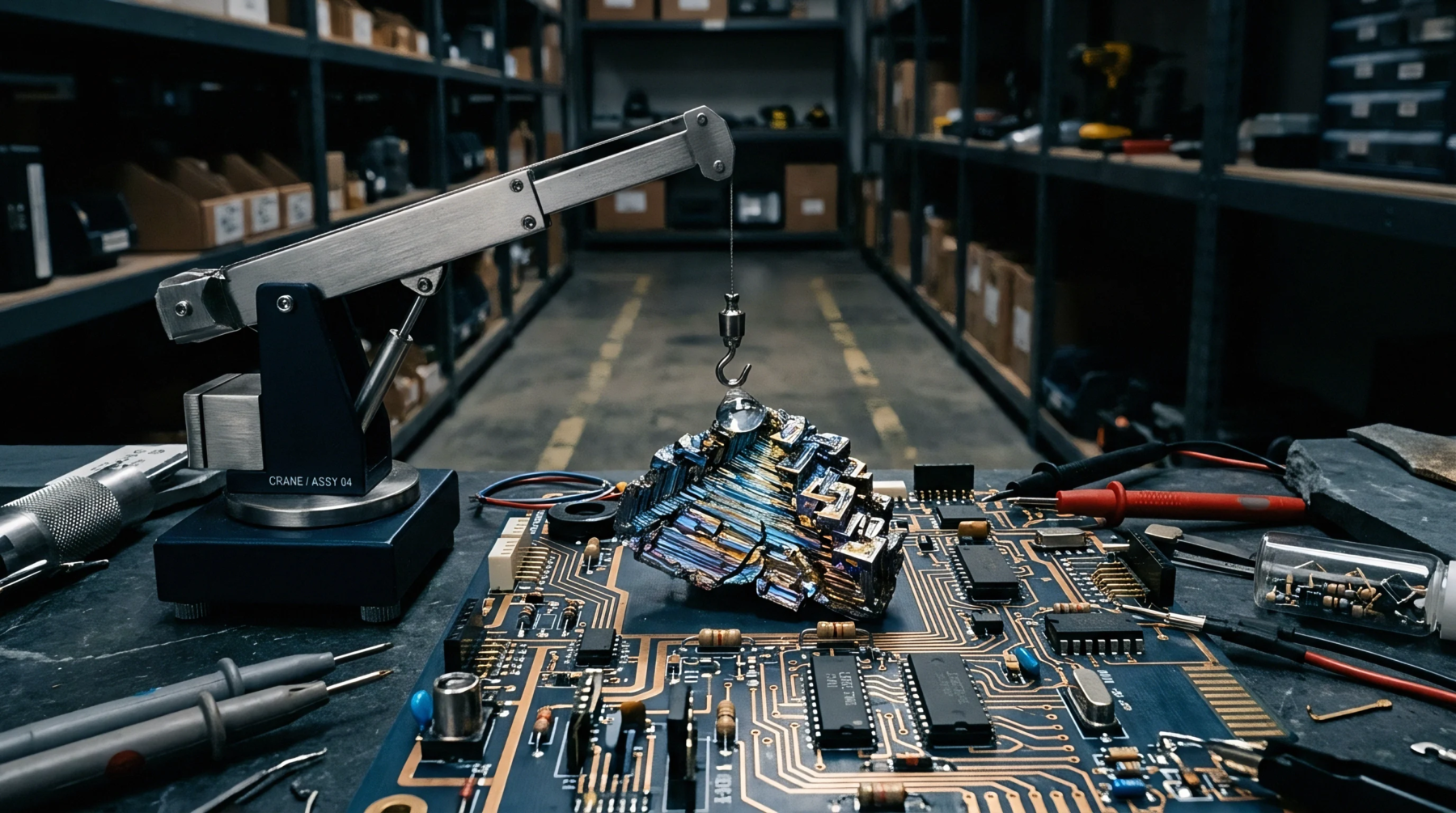
Selecting initial reflow heating slopes between 1.0 and 2.0 °C per second prevents solder spattering and flux exhaustion across high-density SMT assemblies.
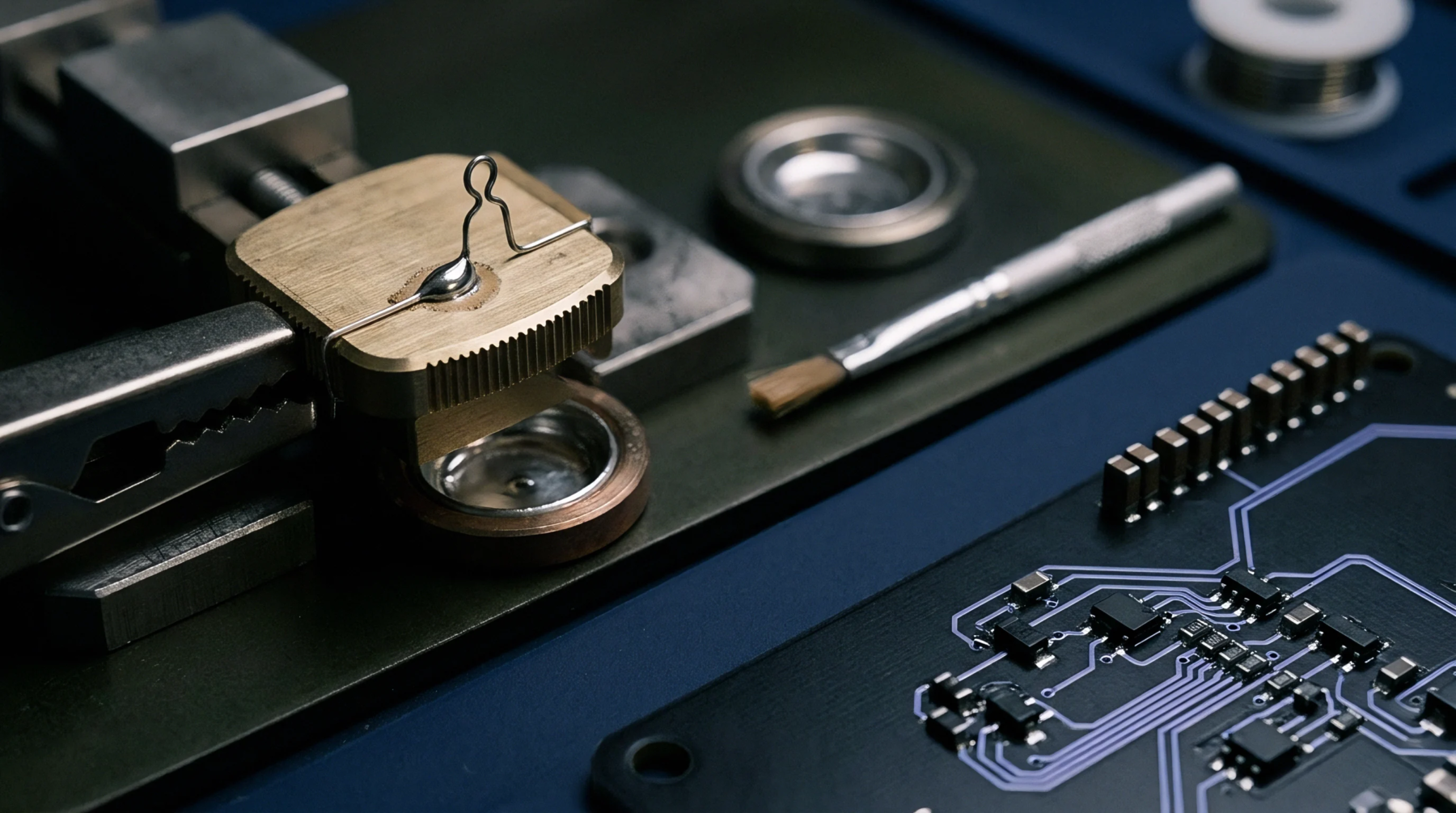
Aperture area ratios below 0.66 demand smooth sidewalls or nano-coatings to maintain 80 percent paste transfer efficiency.
Unequal copper board reflow requires soak zone extended thermal balancing to overcome boundary layer insulation and prevent localized pad cold joints.
Expertise is a utility, not a secret. sentiention™ publishes its working knowledge as open reference: intelligence layer covering the materials it sources, the markets it enters, and the reference that serves both.