Selecting Laminate Materials for High Density Interconnect Stackups
HDI laminate selection balances resin z-CTE expansion, low-Dk glass weave style, and HVLP copper roughness against sequential lamination panel yields.
HDI laminate selection balances resin z-CTE expansion, low-Dk glass weave style, and HVLP copper roughness against sequential lamination panel yields.
Mitigate differential stripline glass weave skew by combining low-Dk spread glass, multi-ply prepregs, and minimum two-degree routing offsets on drawings.
Microstrip phase velocity depends on outer layer inhomogeneous dielectric fields, glass reinforcement architecture, copper roughness, and lamination compression.
Mid-loss laminates balance dissipation factors between 0.005 and 0.010 with moderate panel costs, matching PCIe Gen 4 and 10GbE signal integrity demands.
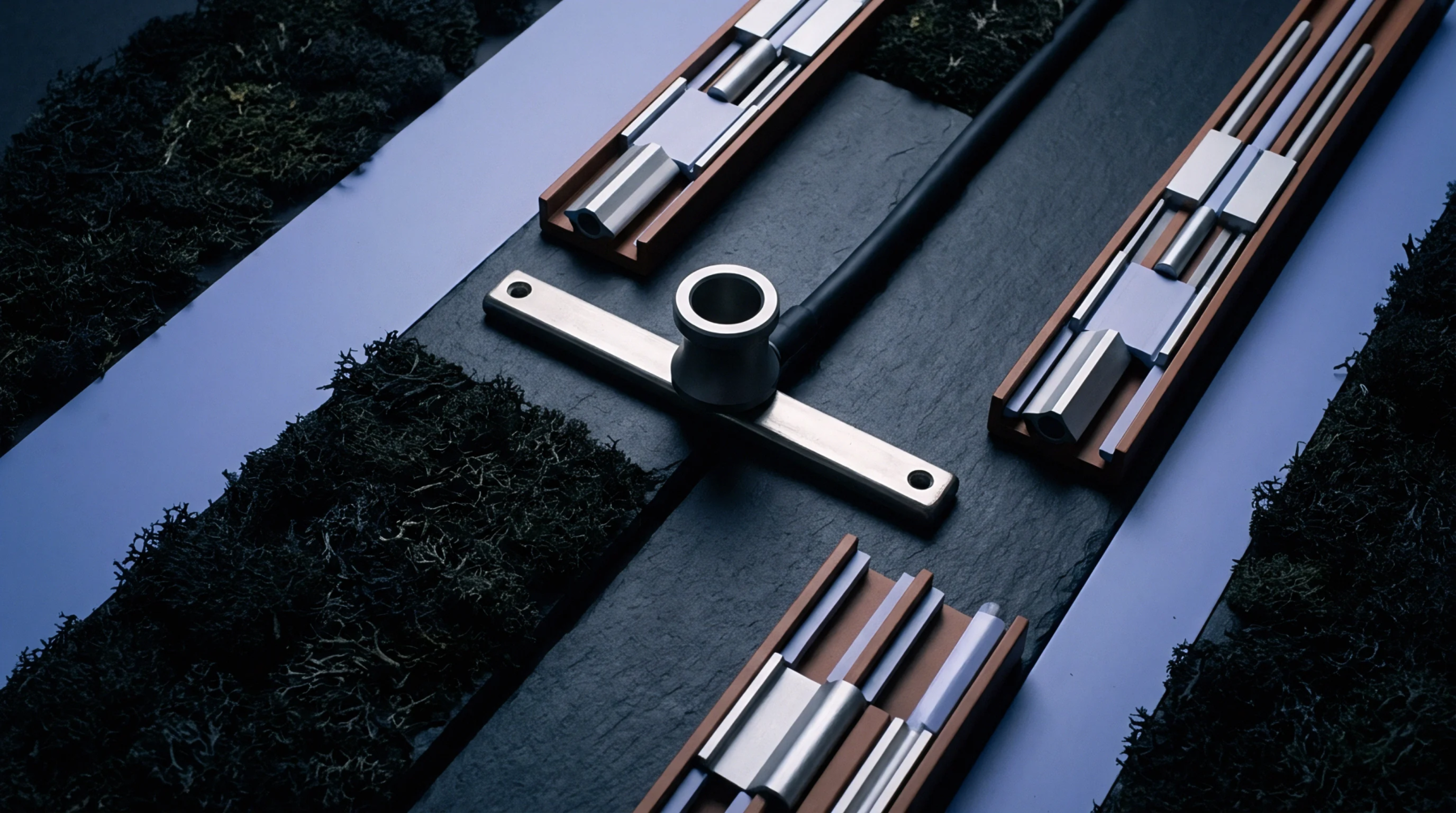
Multiline TRL stripline vehicles isolate in-plane permittivity by extracting propagation constants directly, bypassing transition discontinuities and z-axis bias.
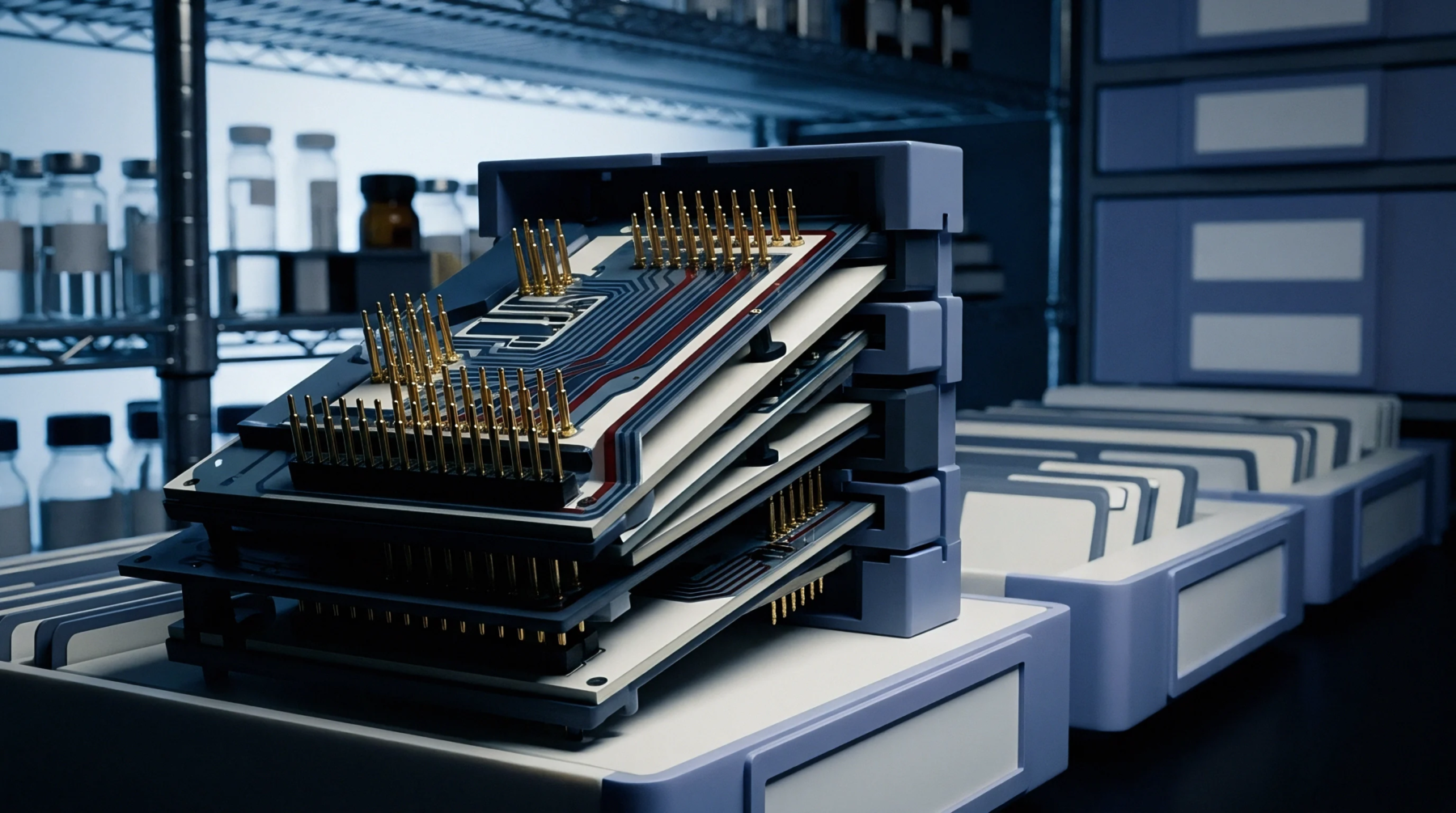
Modified semi additive process stackups require ultra-thin copper seeds under three microns to achieve sub-twenty-micron traces with stable impedance.
Reconciling static field solvers with TDR curves requires transforming 2D RLGC parameters into causal, broadband S-parameters with instrument rise-time filtering.
Expertise is a utility, not a secret. sentiention™ publishes its working knowledge as open reference: intelligence layer covering the materials it sources, the markets it enters, and the reference that serves both.