
Standard Testing Protocols for High-Tg Laminate Viscosity
Dynamic oscillatory shear viscometry under IPC-TM-650 Method 2.4.38 defines the minimum melt viscosity window to prevent voids and starvation in high-Tg presses.
Dynamic oscillatory shear viscometry under IPC-TM-650 Method 2.4.38 defines the minimum melt viscosity window to prevent voids and starvation in high-Tg presses.
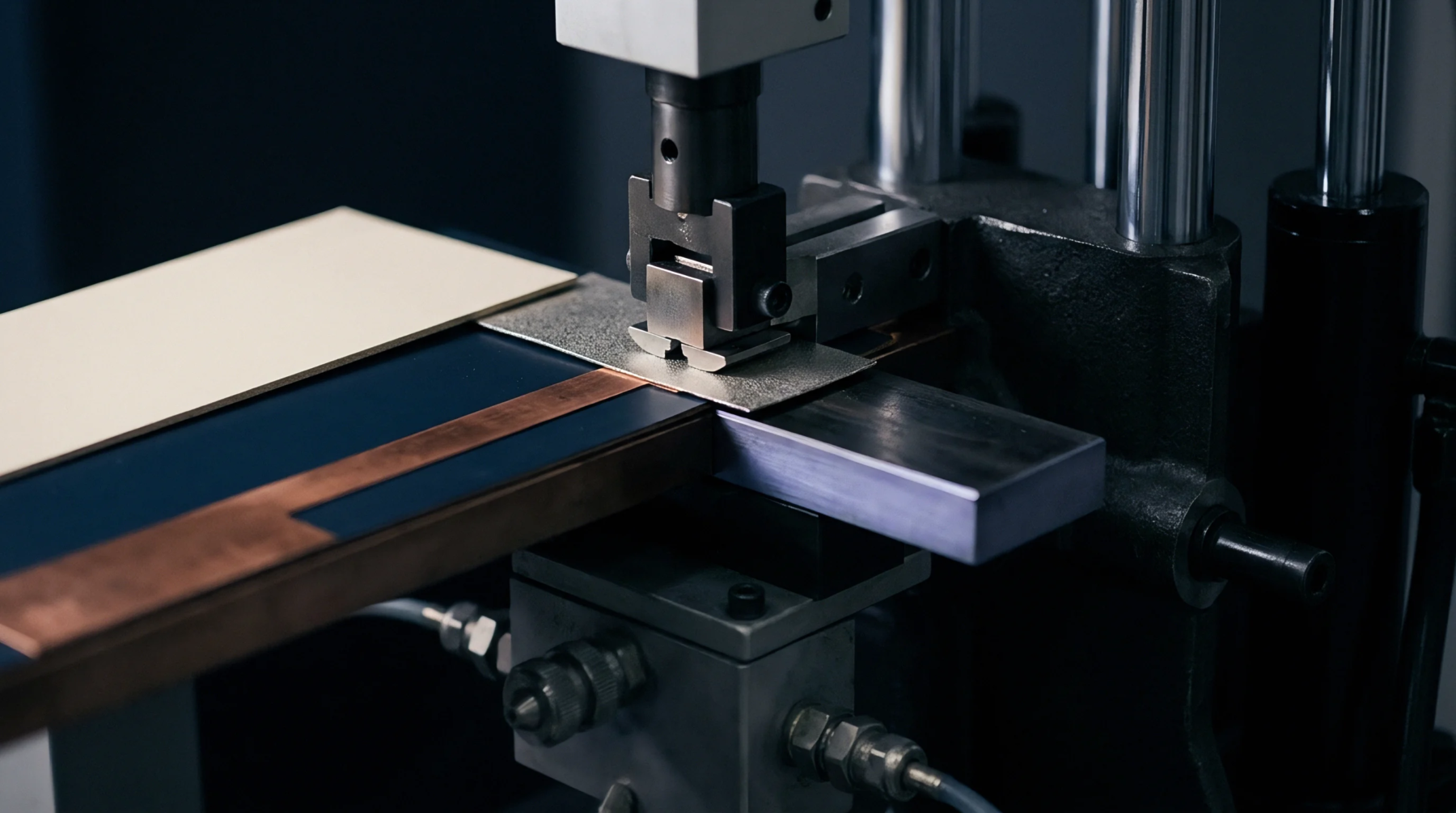
Optimizing inner layer copper thickness and prepreg fill demands matching matrix resin volume to clearance void area while controlling pressed dielectric height.
Extrapolating high-temperature laminate loss tangent shifts prevents gigahertz plane edge emissions escapes caused by thermal cavity resonance shifts.

Microvia interface mechanics dictate that thermal cycling drives out-of-plane dielectric expansion, inducing shear failure at contaminated target pad boundaries.

Sub-50 micron trace etching demands mSAP seed layers, anisotropic chemistry passivators, and dynamic laser imaging scaling to hold 3.5+ etch factors and pass IPC Class 3 yield limits.
Expertise is a utility, not a secret. sentiention™ publishes its working knowledge as open reference: intelligence layer covering the materials it sources, the markets it enters, and the reference that serves both.