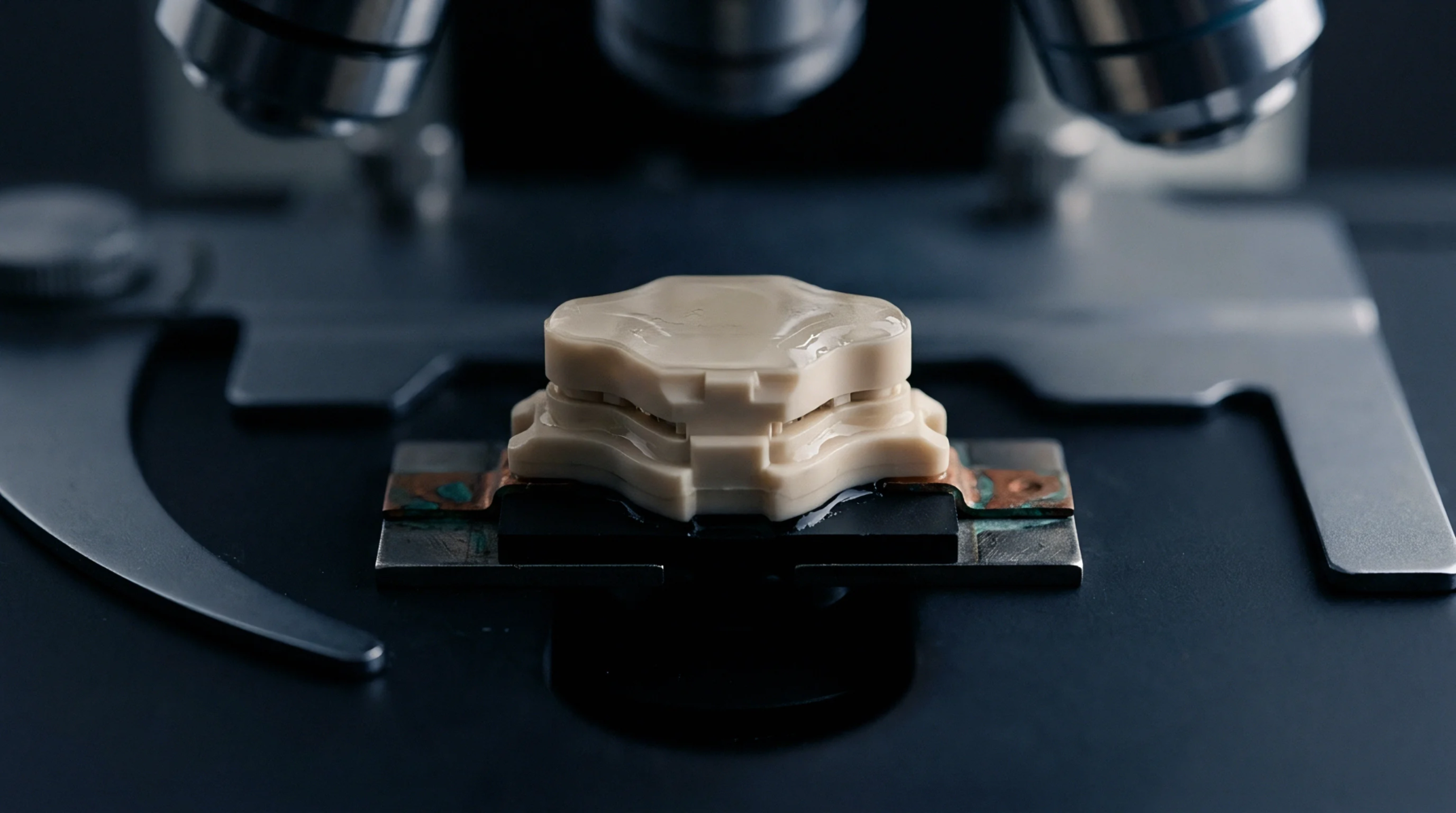
AC Coupling Capacitor Solder Joint Failure Modes in Serial Interconnect Nets
AC coupling capacitor solder joint failures require AC boundary scan and TDR screening to detect latent mechanical microcracks before field deployment.
AC coupling capacitor solder joint failures require AC boundary scan and TDR screening to detect latent mechanical microcracks before field deployment.
Unshielded secondary wave heat pulses elevate primary solder joint peak temperatures, coarsening grain structures and accelerating long-term creep fatigue.
Peripheral stitching via arrays damp planar cavity resonances and prevent edge radiation when spatial pitch stays below one-tenth wavelength.
Modeling structural failure escape rates on hybrid AC-coupled serial nets requires combining IEEE 1149.6 boundary scan with automated X-ray inspection.
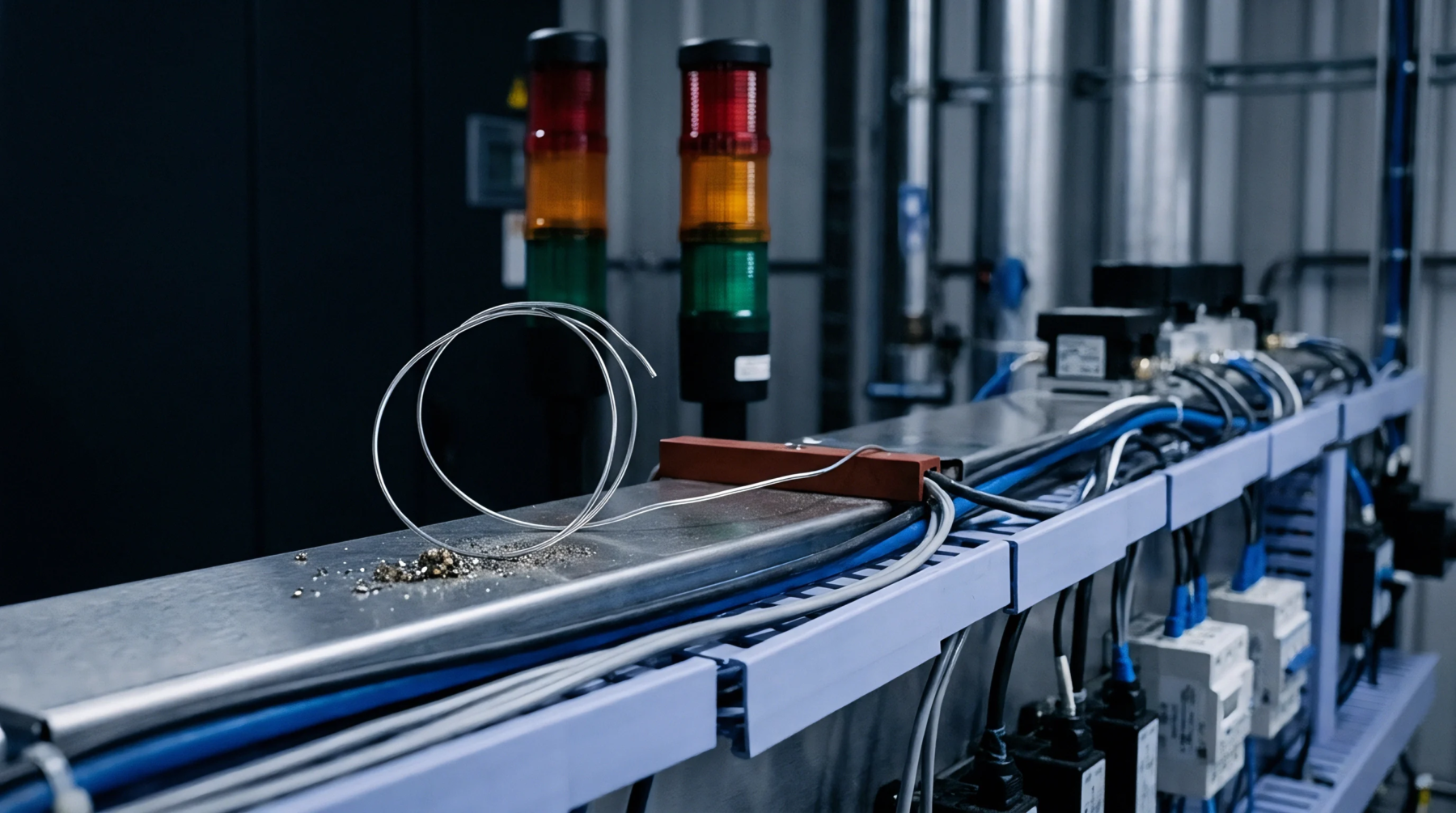
Heat-cured epoxies achieve superior strain transfer efficiency and lower creep drift than cyanoacrylates under high temperatures and long-term static loads.
Expertise is a utility, not a secret. sentiention™ publishes its working knowledge as open reference: intelligence layer covering the materials it sources, the markets it enters, and the reference that serves both.