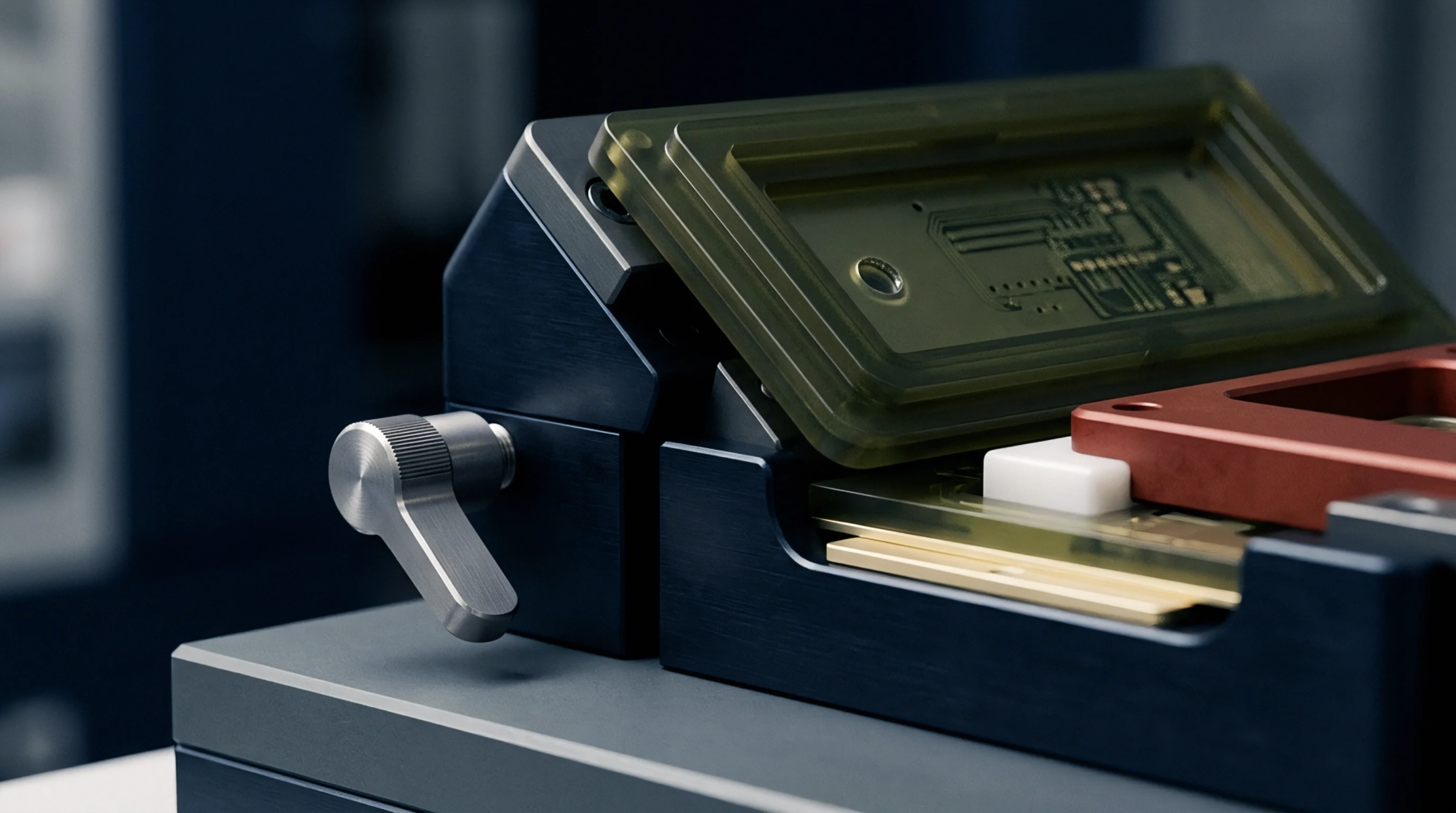
Dielectrical Stress Test
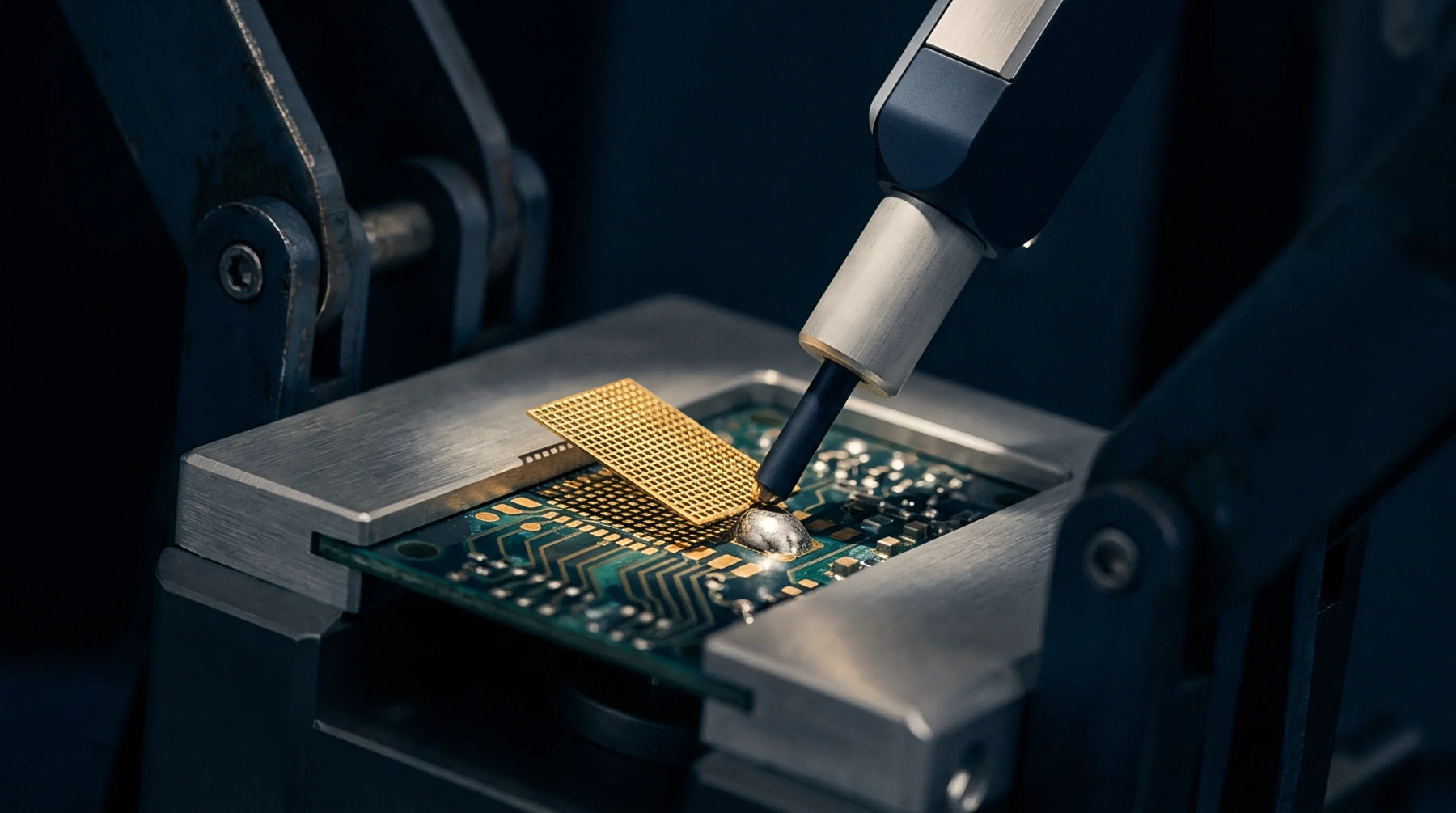
Dielectric strength measurement protocols establish the maximum voltage gradient a printed circuit board laminate can withstand before insulating breakdown occurs across the dielectric medium. IPC-TM-650 2.5.5.12 specifies the exact electrical test methods required to determine this breakdown voltage in rigid dielectric materials used for high-voltage multilayer fabrication. High potential voltages are applied gradually between copper foil surfaces or specialized test electrodes until current leakage spikes catastrophically through the resin and glass fiber matrix.
Voltage Breakdown
Applied test potentials escalate continuously at a fixed rate until arcing permanently punctures the substrate. Voltage application rates typically increase by five hundred volts per second during standard dielectric evaluations to ensure consistent thermal and electrical stressing across different laminate batches. Material thickness dictates the final breakdown threshold because thicker laminates require proportionately higher voltages to ionize trapped volatiles or micro voids within the pressed prepreg layers.
Insulation Integrity
Material failure during testing leaves microscopic carbonized channels inside the dielectric core that permanently destroy local circuit isolation. Epoxy resin cure states directly influence these breakdown limits because undercured polymers retain residual solvents that lower the voltage ceiling during final electrical verification. Laminate manufacturers certify raw dielectric stock against these voltage thresholds before fabricators pattern outer layers for high-voltage power distribution applications.