Thermal Resistance
Elevated glass transition temperature materials provide structural integrity when printed circuit boards encounter continuous high temperature solder reflow profiles. Polyimide laminate withstands repeated thermal excursions without delaminating or losing dimensional stability in multilayer constructions. Thermoplastic resin flows occur when insufficient cure cycles leave unreacted molecular chains within the dielectric layers.
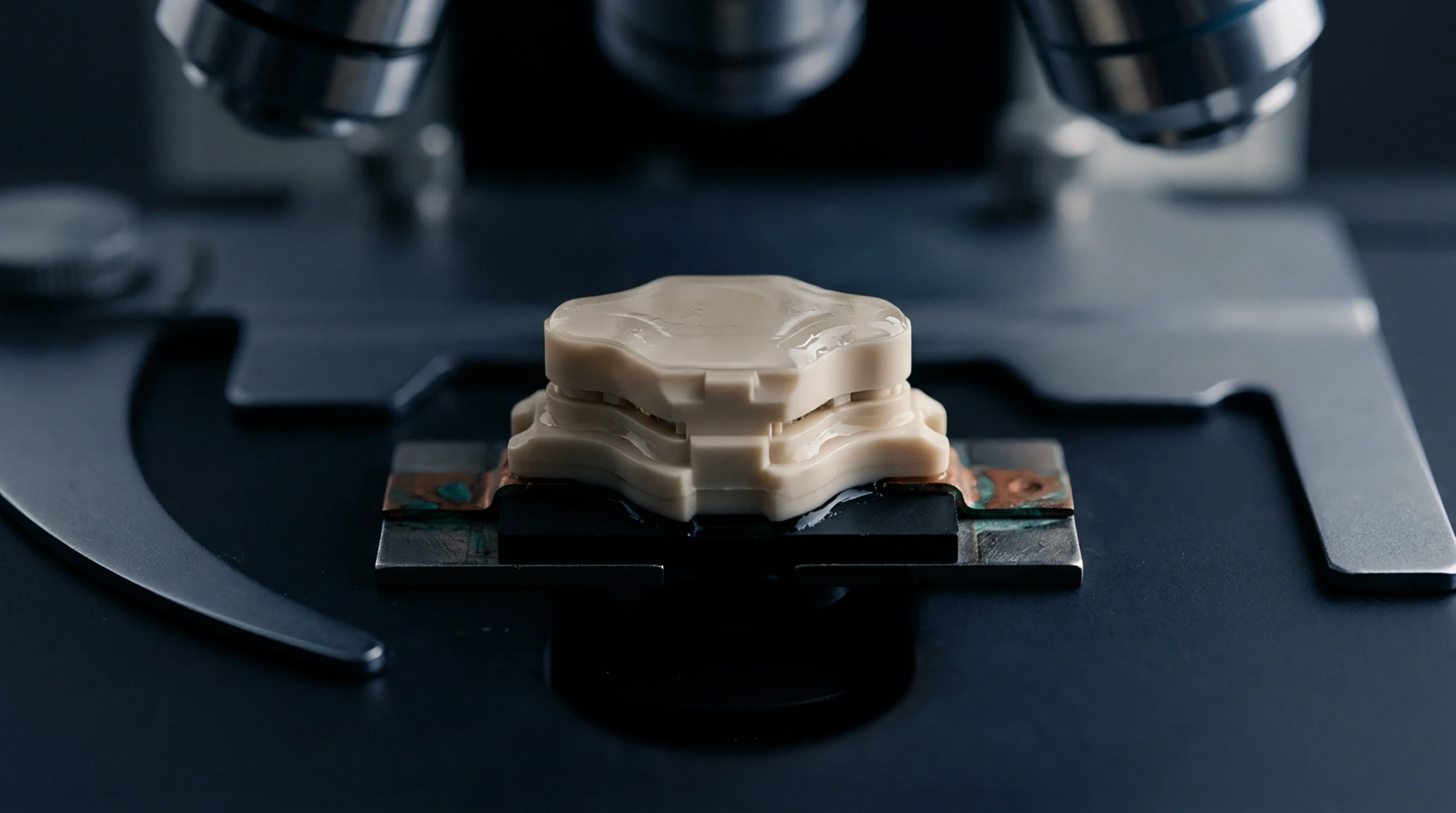
Optical microscopy inspection reveals resin recession along copper trace sidewalls after thermal stress testing.
Resin Control
Condensation polyimides require precise stoichiometric control during resin varnish formulation to achieve complete imidization during the prepreg manufacturing stage. Polyimide laminate relies on tightly controlled volatile content below one percent to prevent internal void formation during the high pressure pressing operation. Solvent entrapment creates localized outgassing pockets that compromise dielectric strength under high voltage operating conditions.
Automated optical inspection equipment detects subsurface blisters prior to inner layer imaging and chemical etching.
Drill Wear
Aromatic polymer chemistry increases abrasiveness during mechanical drilling operations on high layer count circuit boards. Polyimide laminate accelerates carbide drill bit wear through high glass content and inherent resin toughness during hole wall creation. Spindle speed reduction and peck drilling cycles prevent excessive frictional heat from smearing resin across internal copper connection planes.
Plasma desmear processing removes residual debris from drilled holes before electroless copper deposition establishes reliable barrel plating.