Temperature Gradient
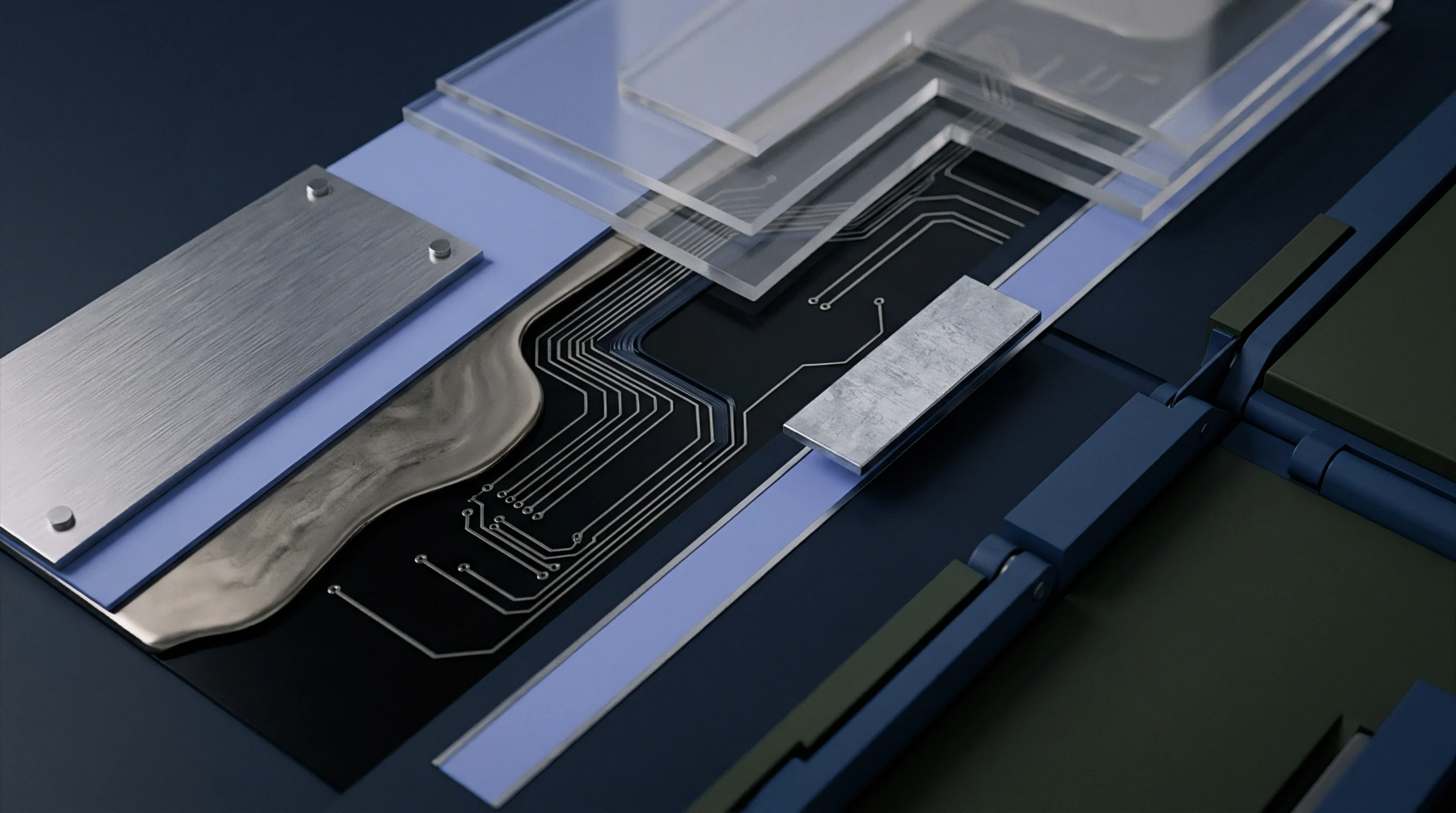
Thermal gradients applied during initial heating prepare the circuit board for the high temperatures of the reflow zone. The preheat ramp rate measures how quickly the temperature rises from the ambient level to the flux activation point. If this rate is too fast, the sudden change can cause ceramic components to crack.
A slow and steady increase ensures that the entire board reaches a uniform temperature.
Flux Activation
Chemical reactions within the solder paste require a specific amount of time to remove oxides from the pads. Controlling the preheat ramp rate allows the solvents to evaporate safely without causing the solder to spatter. This phase is also when the flux becomes active and begins to clean the metal surfaces.
Such a process is essential for creating a strong and reliable bond.
Component Safety
Delicate parts are protected from thermal shock by maintaining a conservative heating speed. A preheat ramp rate that stays within the manufacturer’s limits prevents the internal layers of the board from delaminating. This careful management of heat reduces the mechanical stress on the whole assembly.
Technicians use thermal profilers to verify that the oven settings match the required curve. Proper ramp control is a primary factor in high-yield electronics manufacturing.