
Evaluating Glass Weave Patterns in High Frequency Substrates
Specify mechanically spread low-Dk glass fabrics and restrict prepreg substitution in fabrication drawings to control high-frequency phase skew and panel cost.
Specify mechanically spread low-Dk glass fabrics and restrict prepreg substitution in fabrication drawings to control high-frequency phase skew and panel cost.
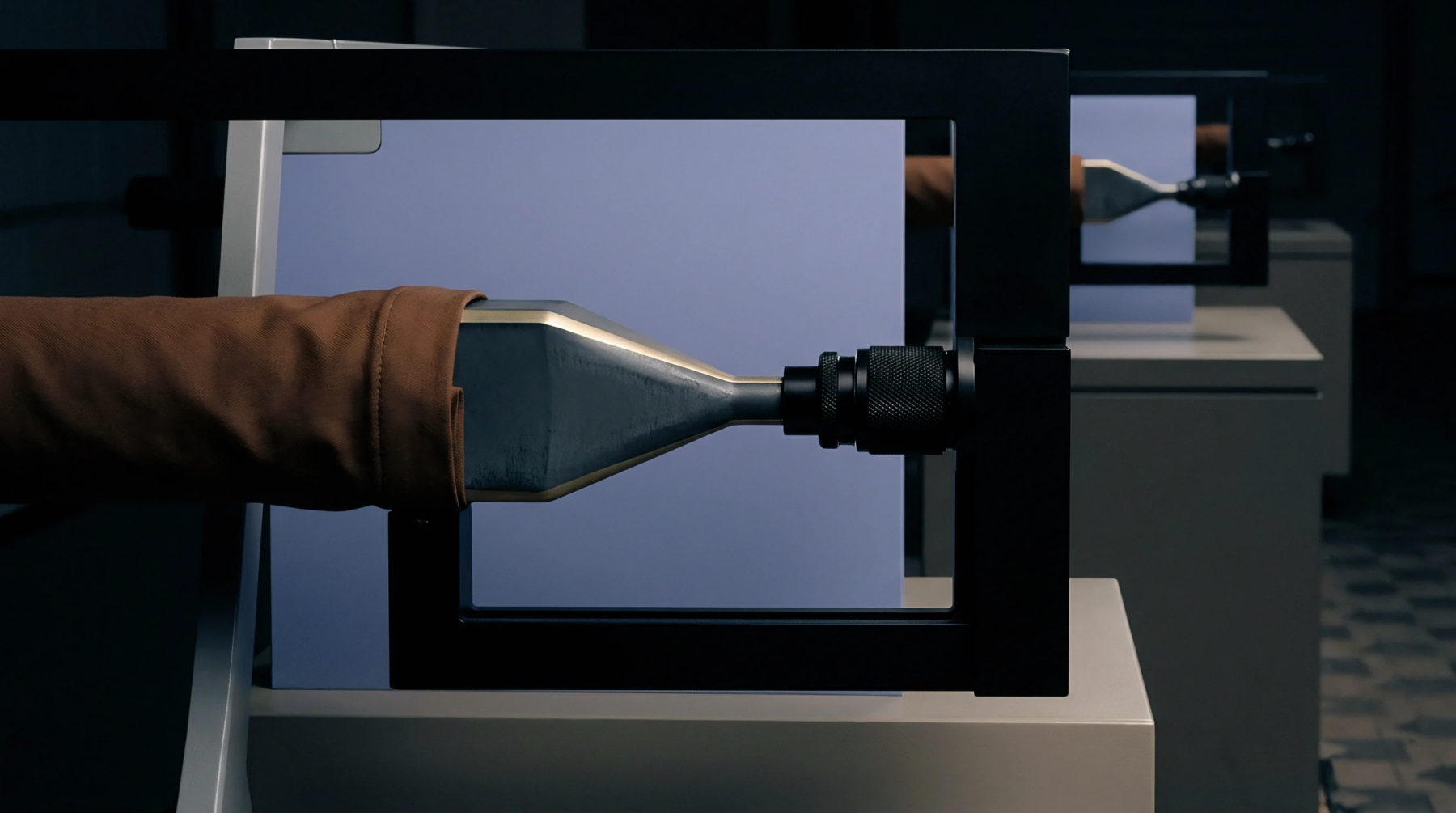
Spread glass anisotropy demands tensor permittivity models and angled routing to prevent high frequency differential phase skew failures in production builds.
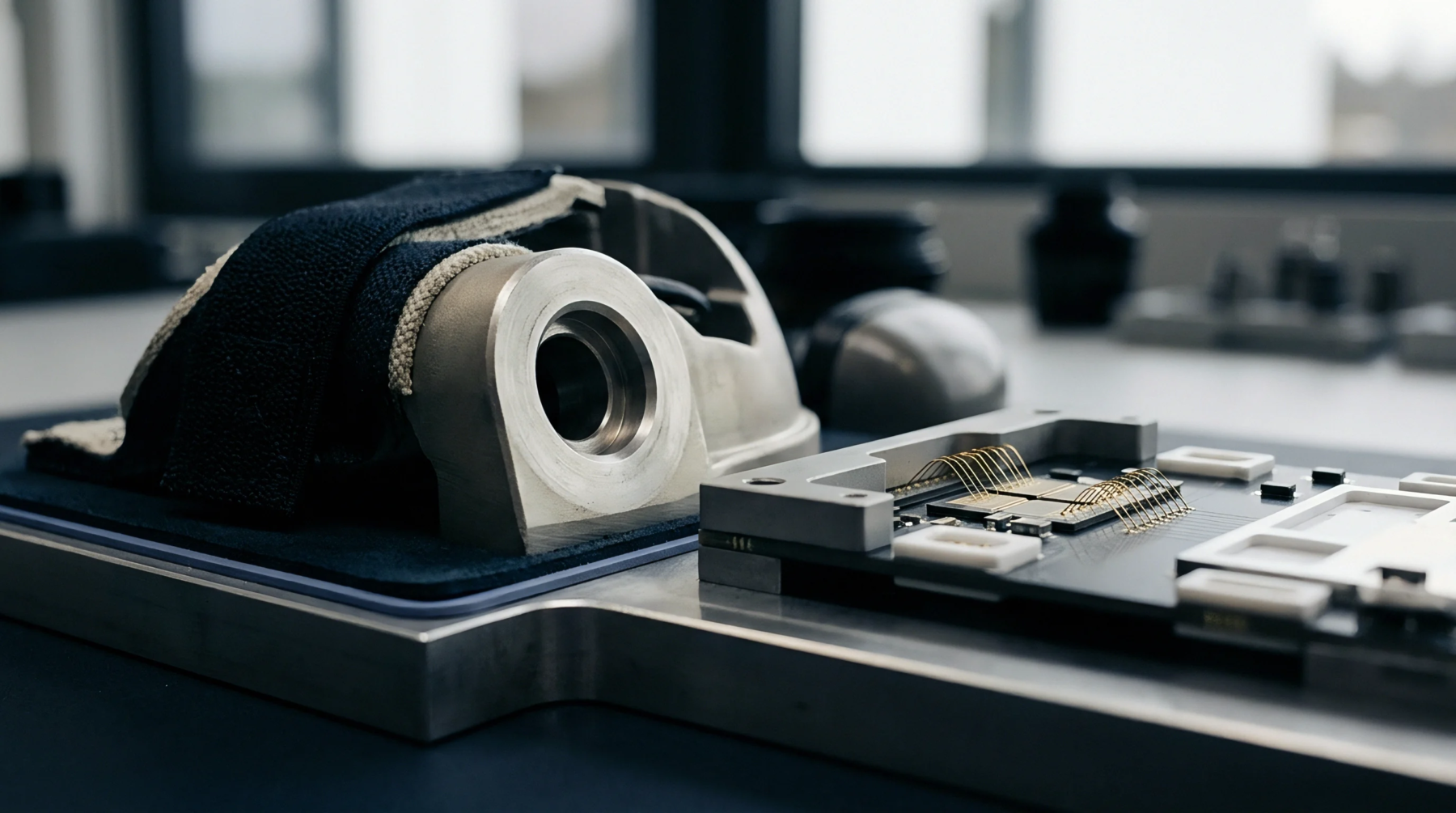
Dynamic topography variations in asymmetric thermoset interfaces cause localized resin squeeze-out failures, creating micro-air voids that degrade impedance.
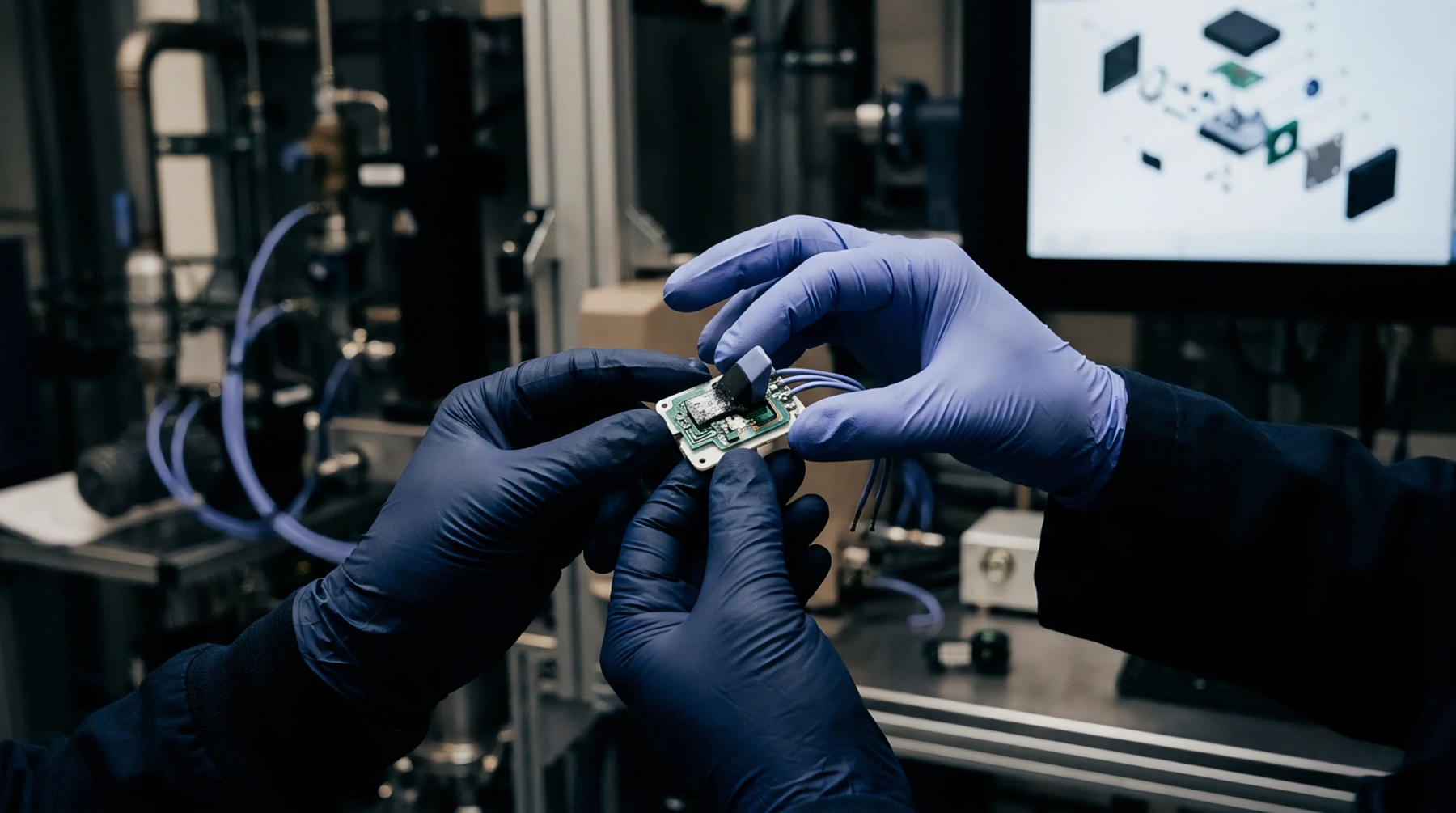
Mitigate differential stripline glass weave skew by combining low-Dk spread glass, multi-ply prepregs, and minimum two-degree routing offsets on drawings.
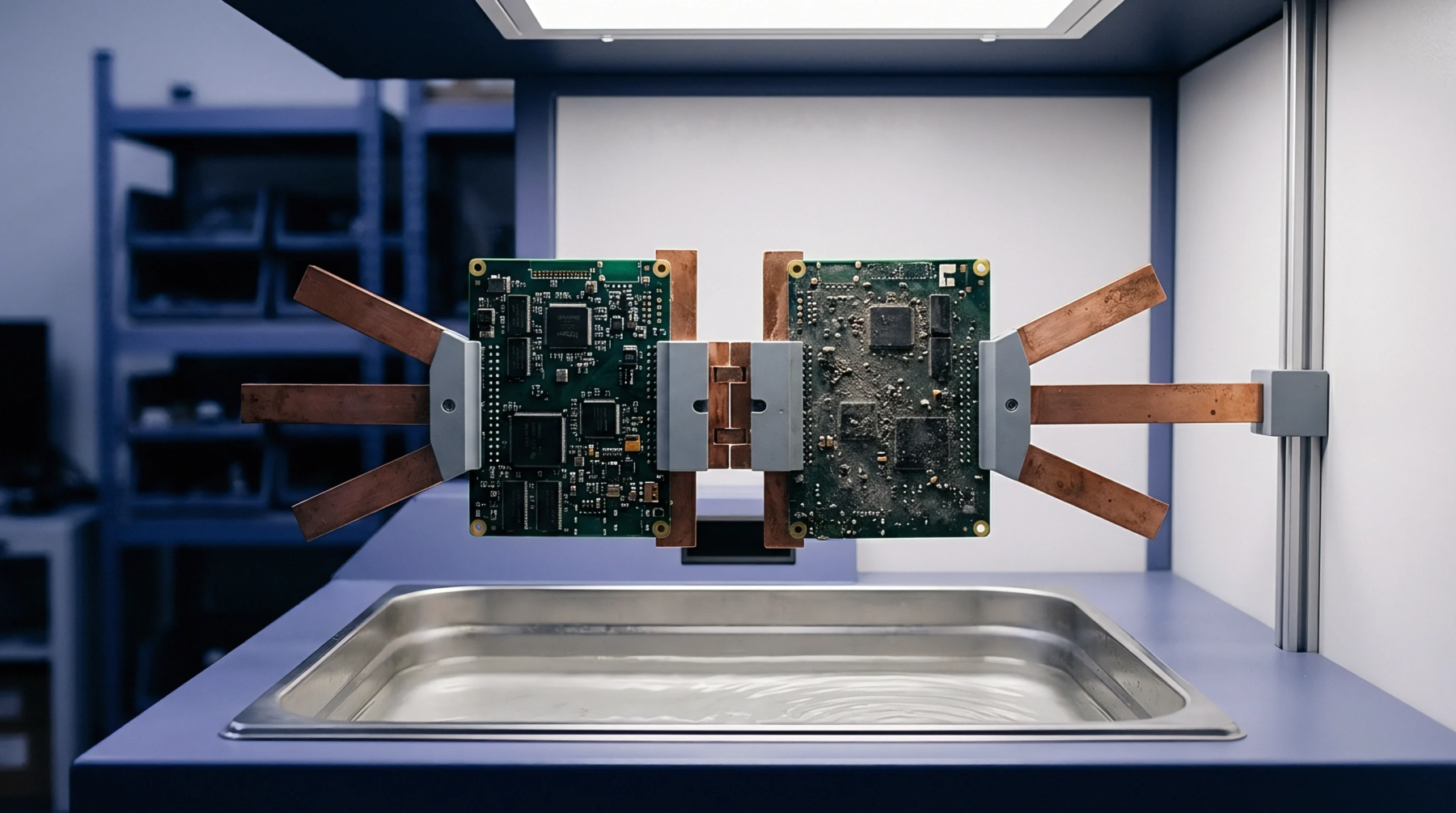
Spread glass styles eliminate dielectric spatial variation, stabilizing differential impedance and phase skew across high-frequency printed circuit routing.

Dynamic prepreg viscosity and cure kinetics dictate resin flow windows, microvia filling completeness, and layer encapsulation during HDI board lamination.
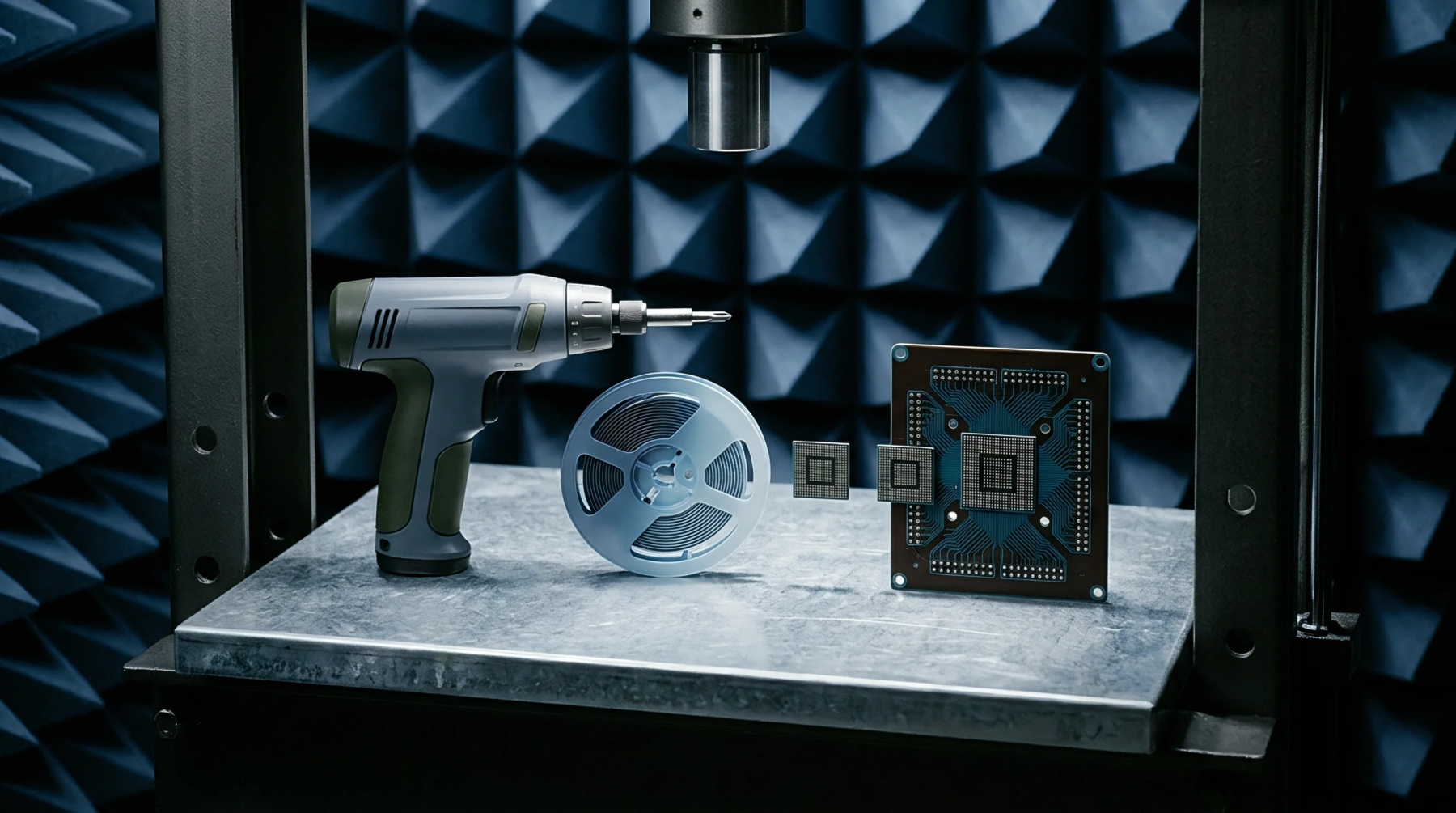
Precise thermal ramp and platen pressure sequencing optimize resin viscosity windows to eliminate voids, core wash, and dielectric drift in ultrathin multilayers.
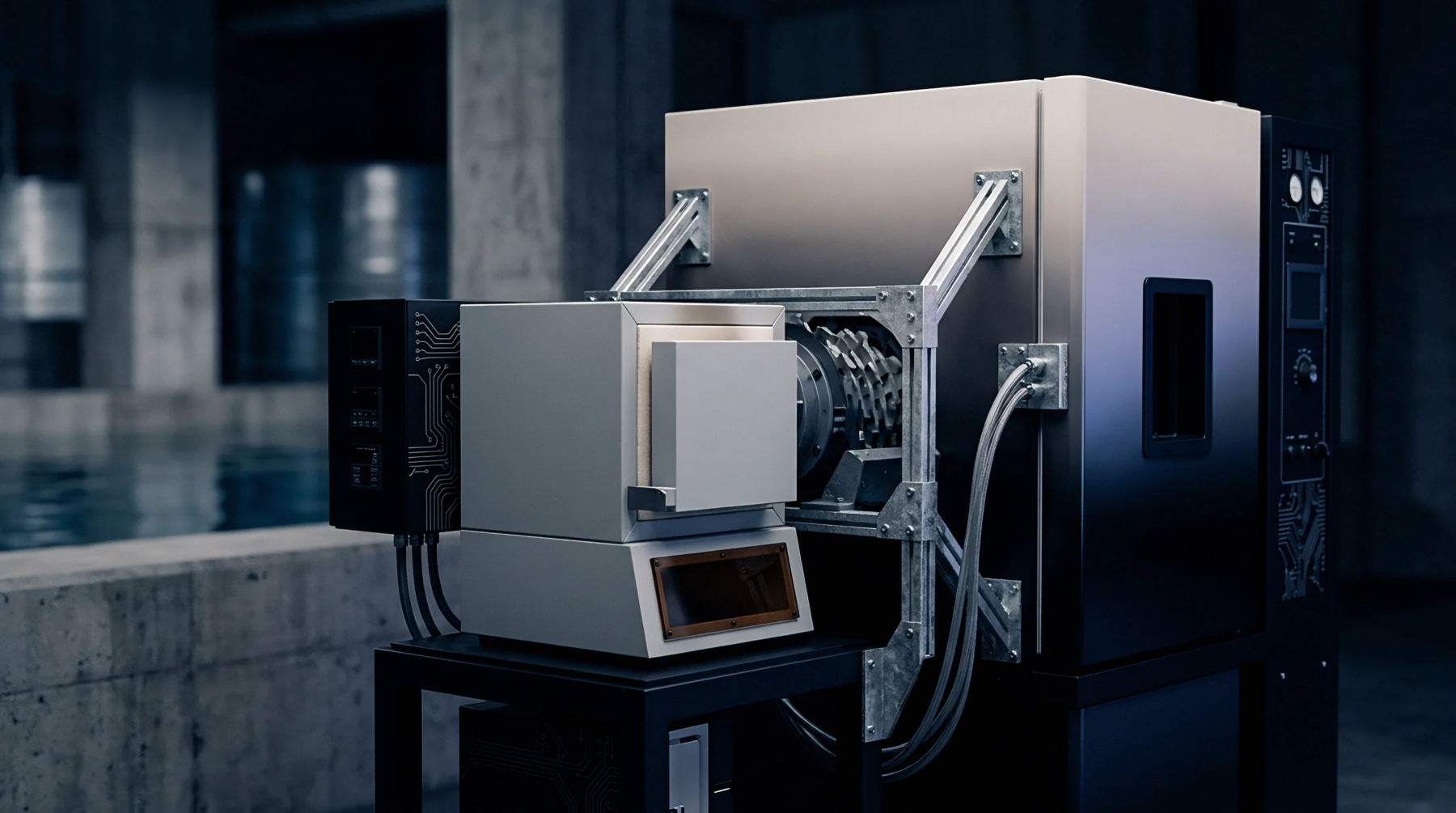
Mechanically spread glass fabrics flatten yarn bundles to eliminate resin-rich windows, stabilizing relative permittivity and preventing high-speed differential skew.
Expertise is a utility, not a secret. sentiention™ publishes its working knowledge as open reference: intelligence layer covering the materials it sources, the markets it enters, and the reference that serves both.