Resin Rheology
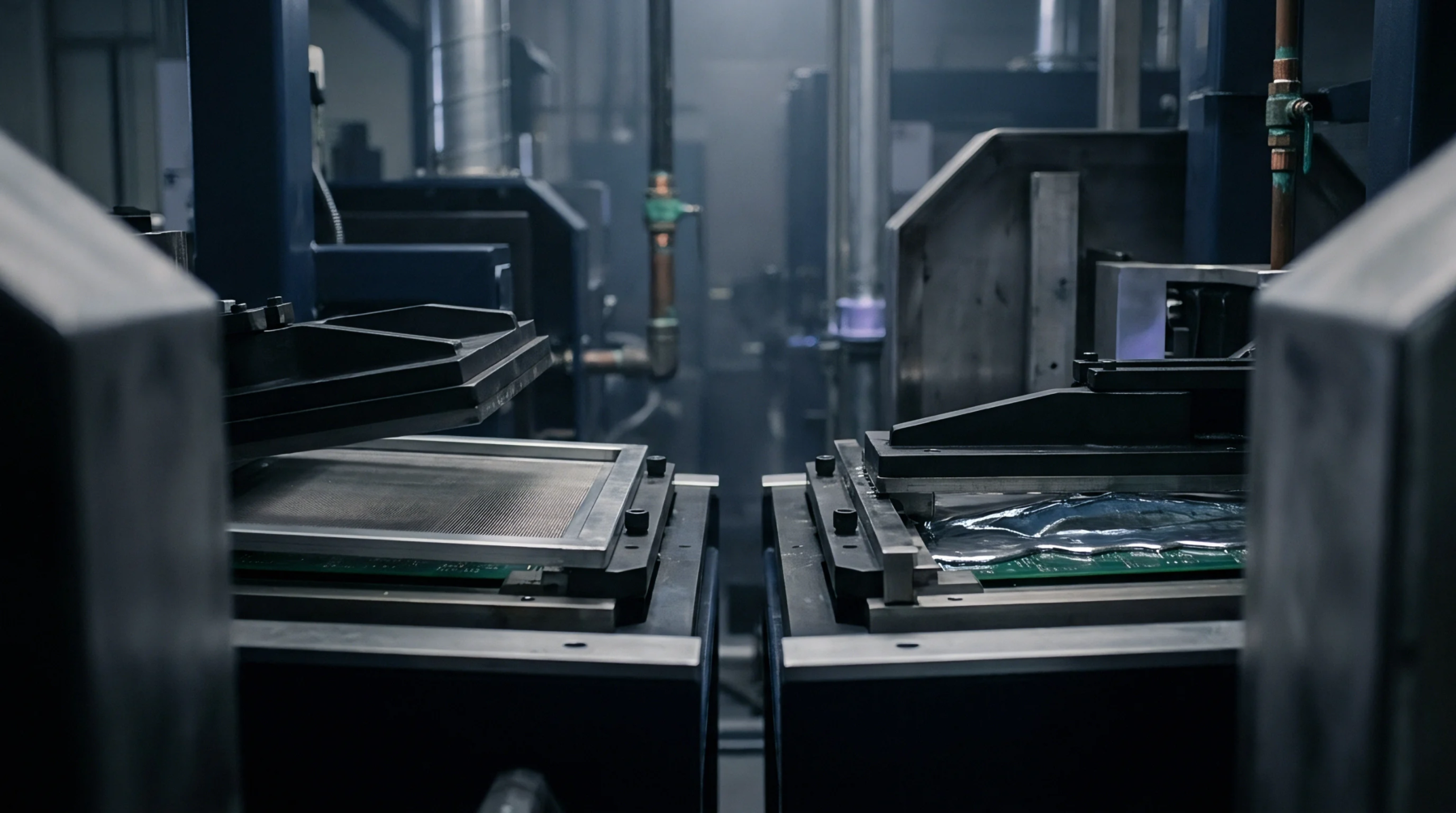
High viscosity epoxy formulation dictates the performance boundary of ABF GX92 during build-up film lamination. Core vacuum pressure squeezes the polymer matrix into microvia voids without entrapping gases. Laser direct imaging equipment registers alignment marks through the translucent dielectric layer before ultraviolet exposure triggers cross-linking.
Dynamic mechanical analysis measures storage modulus shifts across glass transition temperatures to verify cure completion. Thermal stress testing via solder float procedures induces delamination if volatile components remain trapped beneath the outer copper foil.
Dielectric Thickness
Controlled resin flow establishes the final dielectric thickness of ABF GX92 after thermal press cycles complete. Micrometer readings across panel corners verify planar uniformity before subsequent desmear chemistry etches exposed glass fiber bundles. Surface roughness parameters dictate adhesion values for electroless copper deposition during seed layer formation.
Acoustic microscopy scans locate internal voids within the laminated dielectric stack by detecting acoustic impedance mismatches at material interfaces. Dielectric breakdown voltage thresholds drop sharply when moisture absorption exceeds manufacturer limits prior to outer layer lamination.
Desmear Resistance
Chemical permanganate attacks dissolve exposed resin fragments surrounding inner layer copper interconnects anchored by ABF GX92. Weight loss percentages quantify chemical resistance during descum stages before palladium catalyst seeding initiates electroless metallization. Peel strength values drop when over-etching exposes excessive glass reinforcement beneath the dielectric boundary.
Cross-sectional microsectioning confirms complete resin removal from laser-drilled blind via floors without attacking the underlying copper pad. ABF GX92 withstands thermal excursions during subsequent lead-free assembly without experiencing inner layer separation or dielectric cracking.