Microvia Target Pad Interfacial Bond Verification Methods
Microvia target pad interfacial bonds are verified by combining 4-wire Kelvin resistance sensing during IST thermal cycling with 1000x microsection analysis.
Microvia target pad interfacial bonds are verified by combining 4-wire Kelvin resistance sensing during IST thermal cycling with 1000x microsection analysis.
High aspect ratio blind vias require low Z-CTE filled laminates and pulse plating to prevent target pad separation during lead-free thermal cycling.
Microvia target pad separation stems from z-axis thermal expansion strain exceeding electroless copper interfacial bond strength during assembly reflow.

Substrate Z-axis thermal expansion above Tg drives low-cycle fatigue and target pad separation in HDI microvias during SAC305 lead-free reflow profiles.
Microvia aspect ratios capped at 0.75:1 with optimized acid copper throwing power deliver maximum plating yield and thermomechanical reliability in HDI stackups.
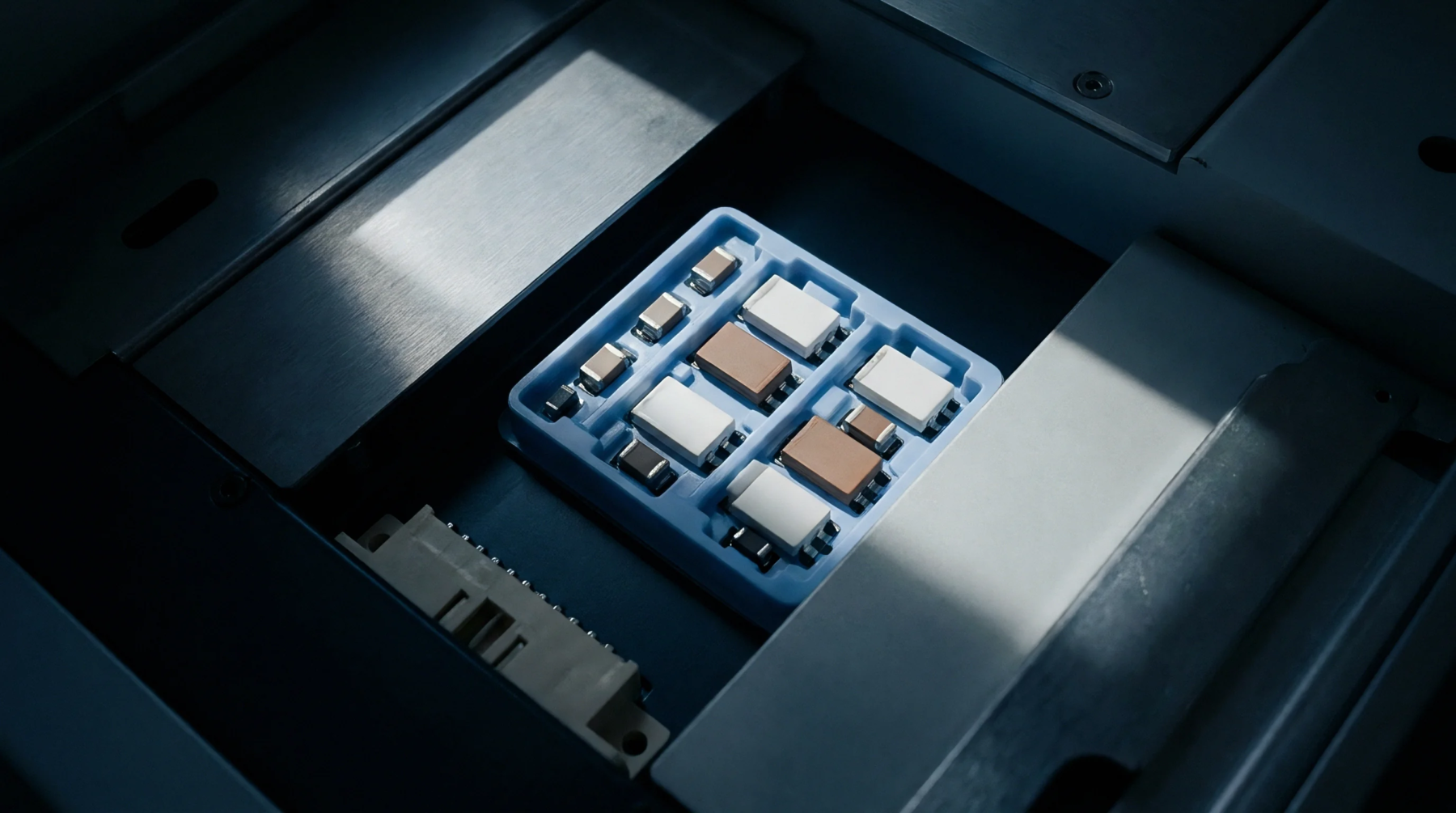
Latent microvia interfacial fatigue opens during thermal transients to cause intermittent high-speed signal failures detectable only by dynamic four-wire thermal screening.
Expertise is a utility, not a secret. sentiention™ publishes its working knowledge as open reference: intelligence layer covering the materials it sources, the markets it enters, and the reference that serves both.