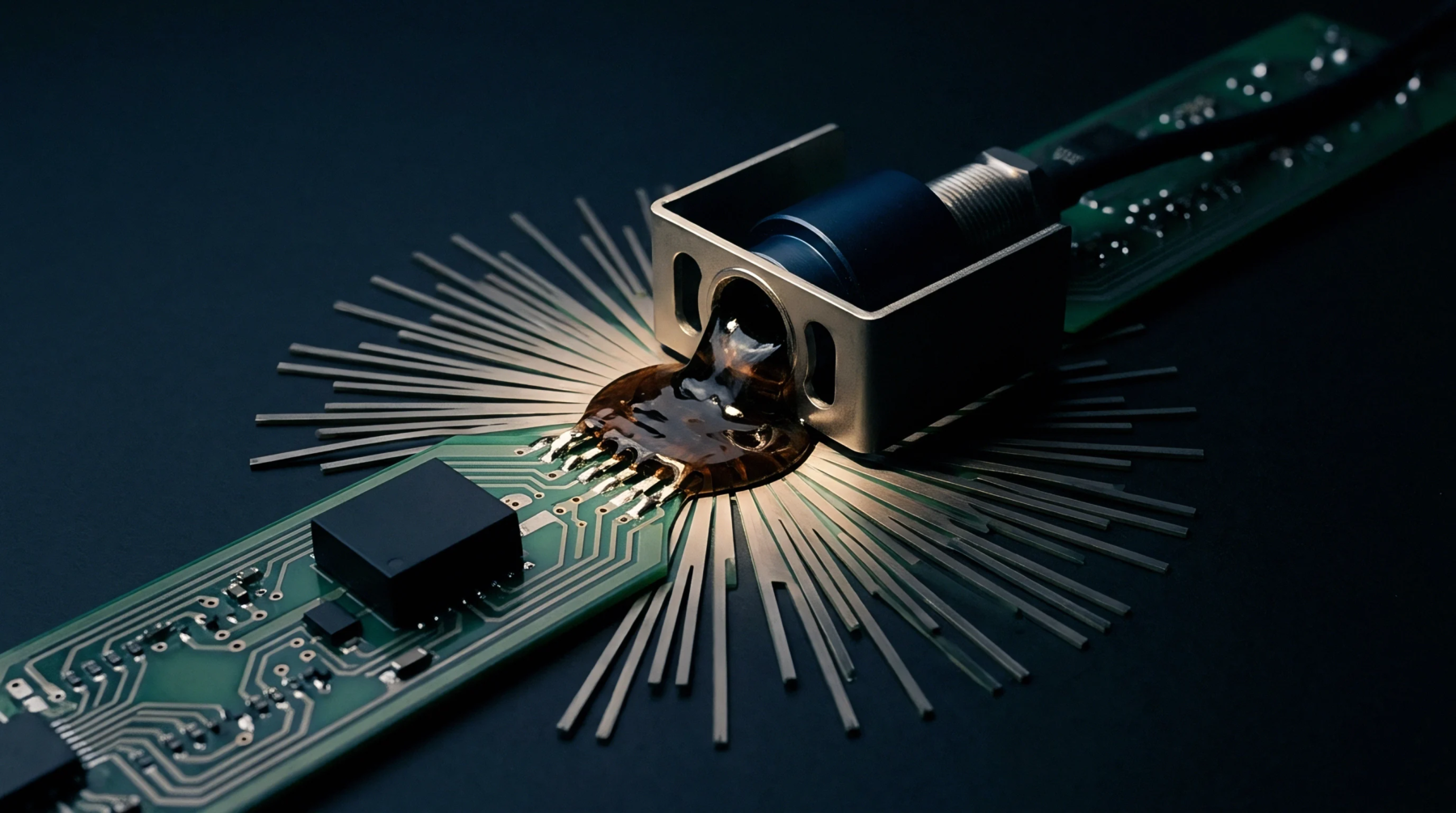
Fixture Actuation
Vertical displacement defines the total travel capacity available to an assembly machine during the engagement of a circuit board test or assembly module. A pneumatic fixture stroke establishes the physical limit of vertical motion generated by the compressed air cylinders that force tooling pins or probe plates into contact with a substrate. This distance measurement determines whether a machine can accommodate boards of varying thicknesses or components with significant height profiles.
Accuracy in calculating this value prevents mechanical interference or incomplete contact during the clamping cycle.
Travel Calibration
Precision during the setup phase relies on verifying that the piston travel distance aligns with the clearance requirements of the solder mask and component leads. Technicians measure the extended position of the cylinder to confirm that the fixture plate rests at the correct height relative to the reference datum. If the pneumatic fixture stroke exceeds the safety clearance for delicate solder joints, the system risks fracturing pads or damaging traces.
A shortfall in this range causes poor electrical continuity during in-circuit testing, leading to false negatives in probe registration.
Operational Constraint
Variations in air pressure directly influence the velocity and force of the cylinder during its movement across the established range. High pressure levels accelerate the fixture into position, but excessive speed risks impact damage upon arrival at the end of the specified travel distance. Maintenance procedures require periodic inspection of the stroke limiters and air seals to ensure the motion remains consistent across thousands of cycles.
Properly regulated pneumatic fixture stroke settings maintain the mechanical integrity of the test interface throughout the production lifecycle.