Dielectric Relaxation Mechanics in High Frequency Laminate Cores
Dielectric relaxation drives high-frequency core attenuation through phase-lagging dipoles, requiring causal modeling and hybrid stackups to balance board costs.
Dielectric relaxation drives high-frequency core attenuation through phase-lagging dipoles, requiring causal modeling and hybrid stackups to balance board costs.
Optimize hybrid dielectric lamination through dual-stage pressure profiles, vacuum extraction, and controlled cooling to resolve CTE and resin flow mismatches.
Hybrid multilayer selection pairs low-loss RF laminates with epoxy bases by matching cure windows, controlling z-axis expansion, and optimizing panel yields.
Woven quartz fluoropolymer substrates exhibit directional permittivity splits resolved through tensor modeling, 45-degree layout, and split-post testing.
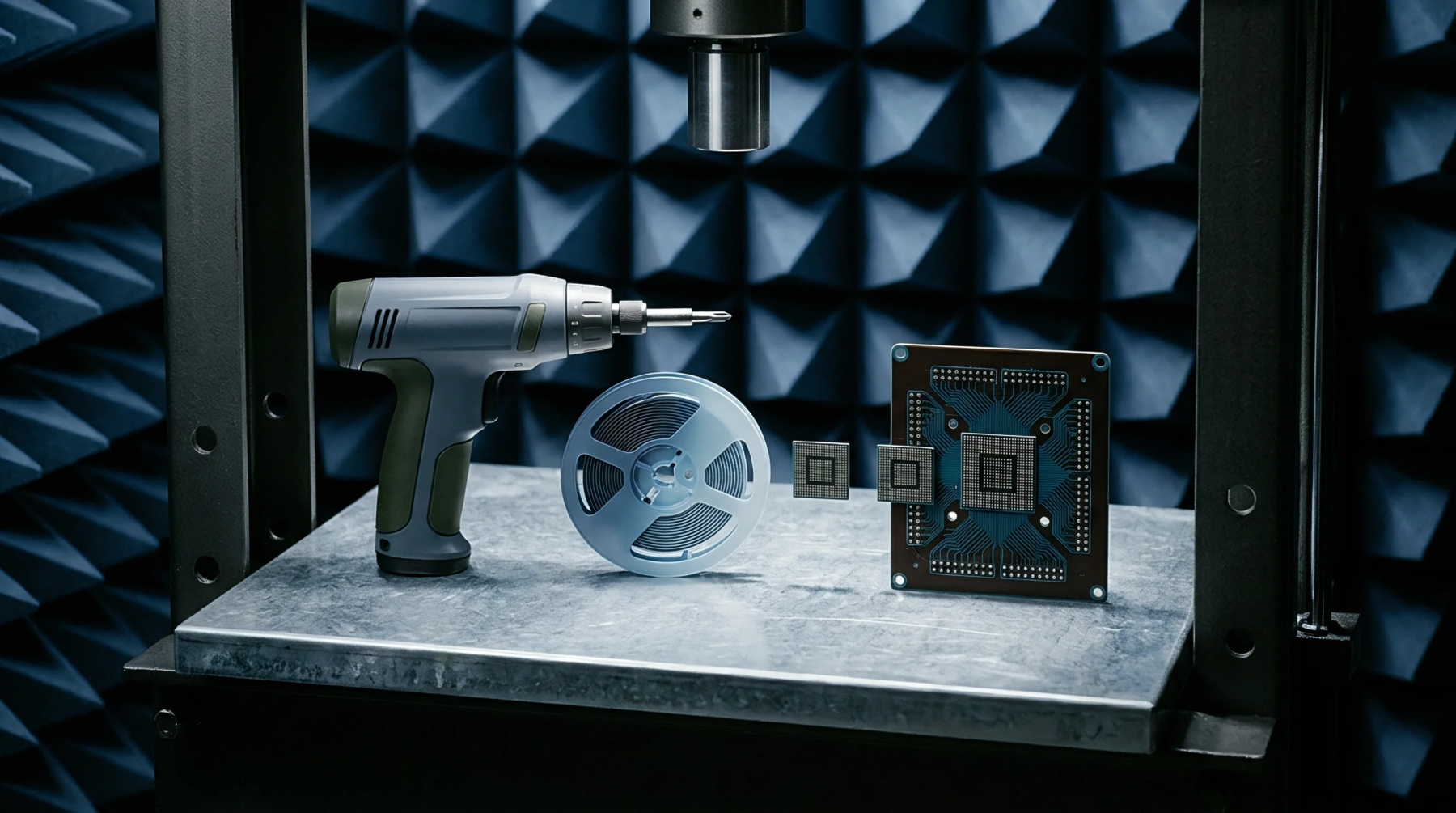
Asymmetric ultra-low-loss stackups shift the neutral axis and concentrate reflow shear strain at copper boundaries, requiring aspect ratios under 10:1 to protect barrel fatigue life.
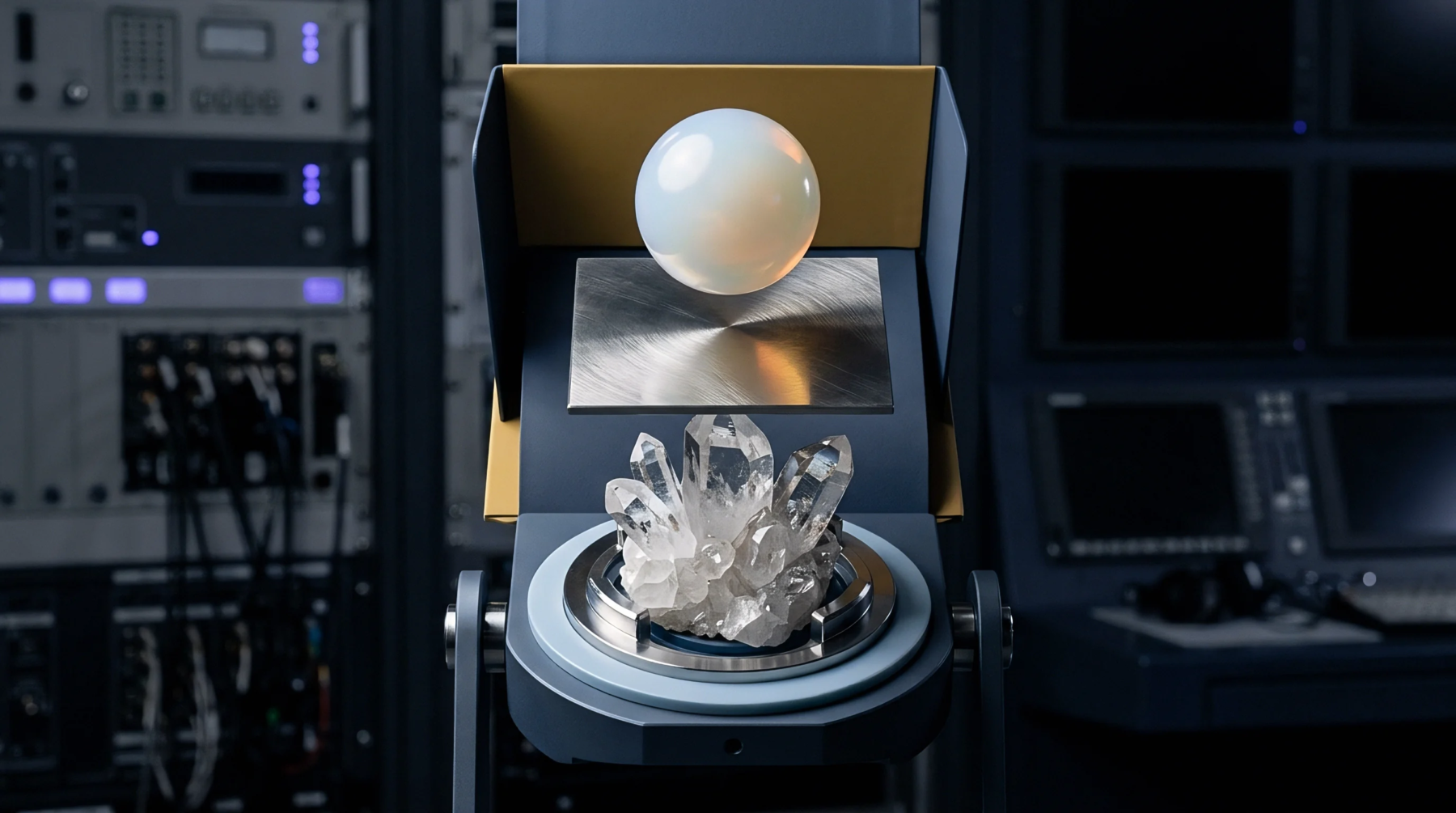
Sub-millimeter wave performance in quartz-fluoropolymer laminates depends on controlling anisotropic dielectric tensors and sealing interfacial moisture diffusion paths.
Expertise is a utility, not a secret. sentiention™ publishes its working knowledge as open reference: intelligence layer covering the materials it sources, the markets it enters, and the reference that serves both.