Thermal Pad
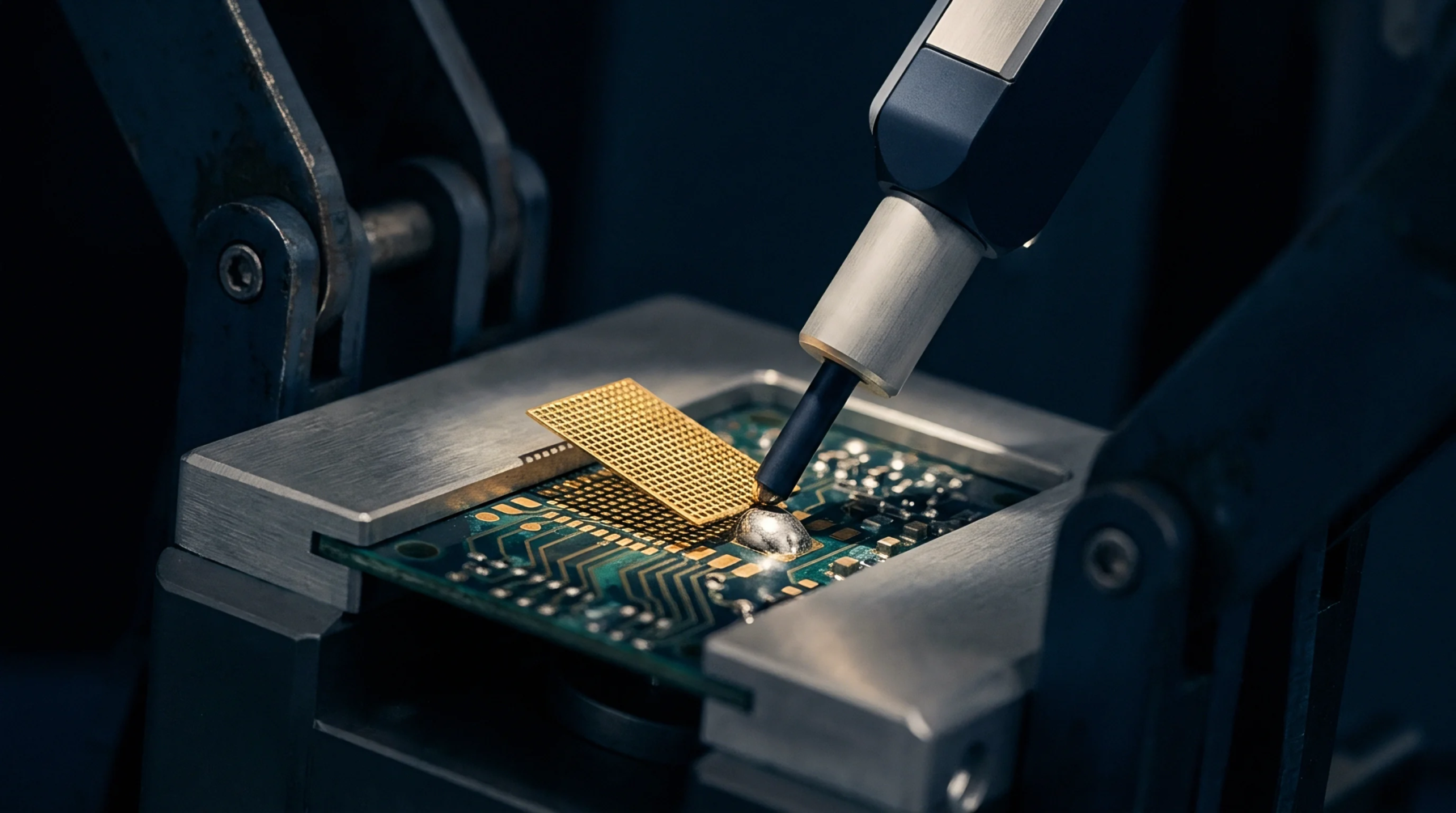
Integrated circuit packaging architecture eliminates conventional protruding pins in favour of bottom thermal and electrical termination pads soldered directly to a printed circuit board footprint. Quad-flat no-leads components rely on this bottom-only contact scheme to achieve high density and short electrical paths for high-frequency circuits. Board assemblers print solder paste onto designated land patterns using laser-cut stainless steel stencils before placing packages with automated pick and place machinery.
Solder joint formation occurs during reflow soldering inside a convection oven where thermal profiles melt the paste to wet both the package bottom pads and the circuit board lands. Stencil aperture design requires careful reduction to prevent solder bridging and excessive void formation beneath the central thermal pad.
Voiding Percentage
X-ray inspection systems quantify trapped gas pockets within the reflowed solder joints under the central thermal pad to determine structural and thermal compliance. Acceptance criteria typically limit total void area to a specific maximum percentage of the pad footprint to ensure adequate heat dissipation from the silicon die. Excessive voids restrict thermal transfer pathways and cause junction temperatures to rise beyond safe operating limits during high power device operation.
Assemblers adjust paste volume and reflow profile ramp rates to allow trapped volatile solvents to escape before the solder alloy solidifies completely.
Shear Strength
Mechanical destruction testing measures the force required to displace a soldered package horizontally from the printed circuit board substrate. Destructive shear testing validates the metallurgical bond quality formed between the bottom termination pads and the board lands during the surface mount assembly process. Intermetallic compound growth at the copper and tin interface dictates long term joint reliability under thermal cycling and mechanical shock conditions.
High stress applications demand strict adherence to footprint design rules and component coplanarity standards to prevent premature joint fracture during operational service.