
Thermal Fatigue Failure Mechanisms in Surface Mount Solder Joints
Thermal fatigue in surface mount joints is driven by CTE mismatch creep and interfacial voiding, requiring event-detected thermal cycling to prevent field failure.
Thermal fatigue in surface mount joints is driven by CTE mismatch creep and interfacial voiding, requiring event-detected thermal cycling to prevent field failure.
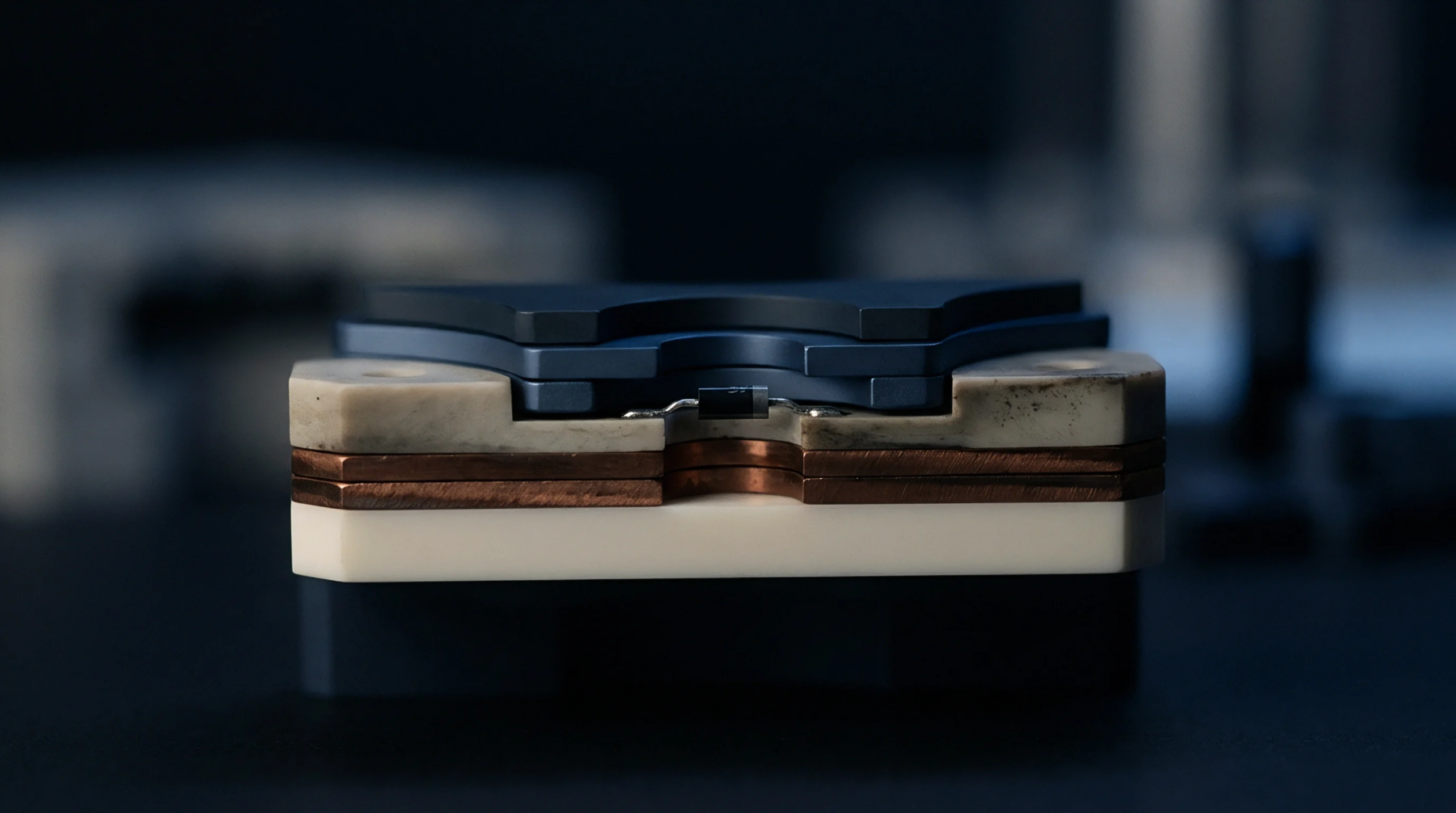
Mixed-alloy interconnects demand strict reflow dwell and cooling control to prevent localized phase segregation and non-linear intermetallic creep cracking.

Dynamic solder dipping strips degraded intermetallic oxide layers, restoring Class 3 solderability without exceeding package thermal thresholds.
Radiometric CT false call disputes resolve when volumetric gray-scale variance stays within two percent of baseline attenuation targets.

Baseline verification of incoming solder paste requires verifying transit thermal logs, measuring malcom viscosity, and checking powder oxide limits.
Correlate CT density gradients to microsections by locking segmentation thresholds to the lowest radial slice fill percentage measured on baseline coupons.
Expertise is a utility, not a secret. sentiention™ publishes its working knowledge as open reference: intelligence layer covering the materials it sources, the markets it enters, and the reference that serves both.