
Establishing Quantitative Strain Rate Envelopes for High Density Lead Free Circuit Assemblies
Establishing quantitative strain rate envelopes prevents intermetallic cleavage and pad cratering in lead-free circuit assemblies during manufacturing.
Establishing quantitative strain rate envelopes prevents intermetallic cleavage and pad cratering in lead-free circuit assemblies during manufacturing.
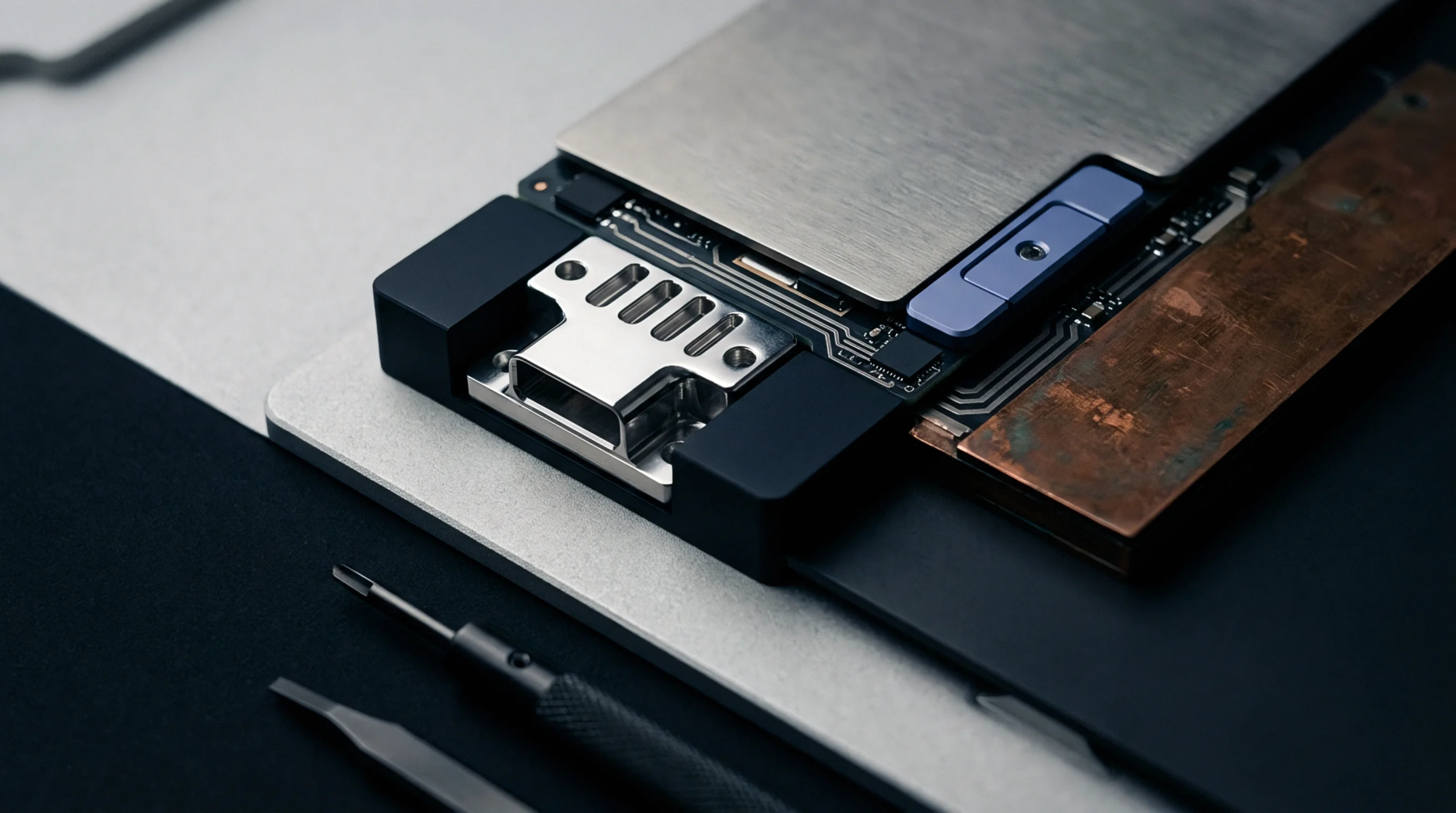
IPC JEDEC 9704 strain measurement protects PCB assemblies by quantifying dynamic handling stresses to prevent BGA solder joint cracking and pad cratering defects.
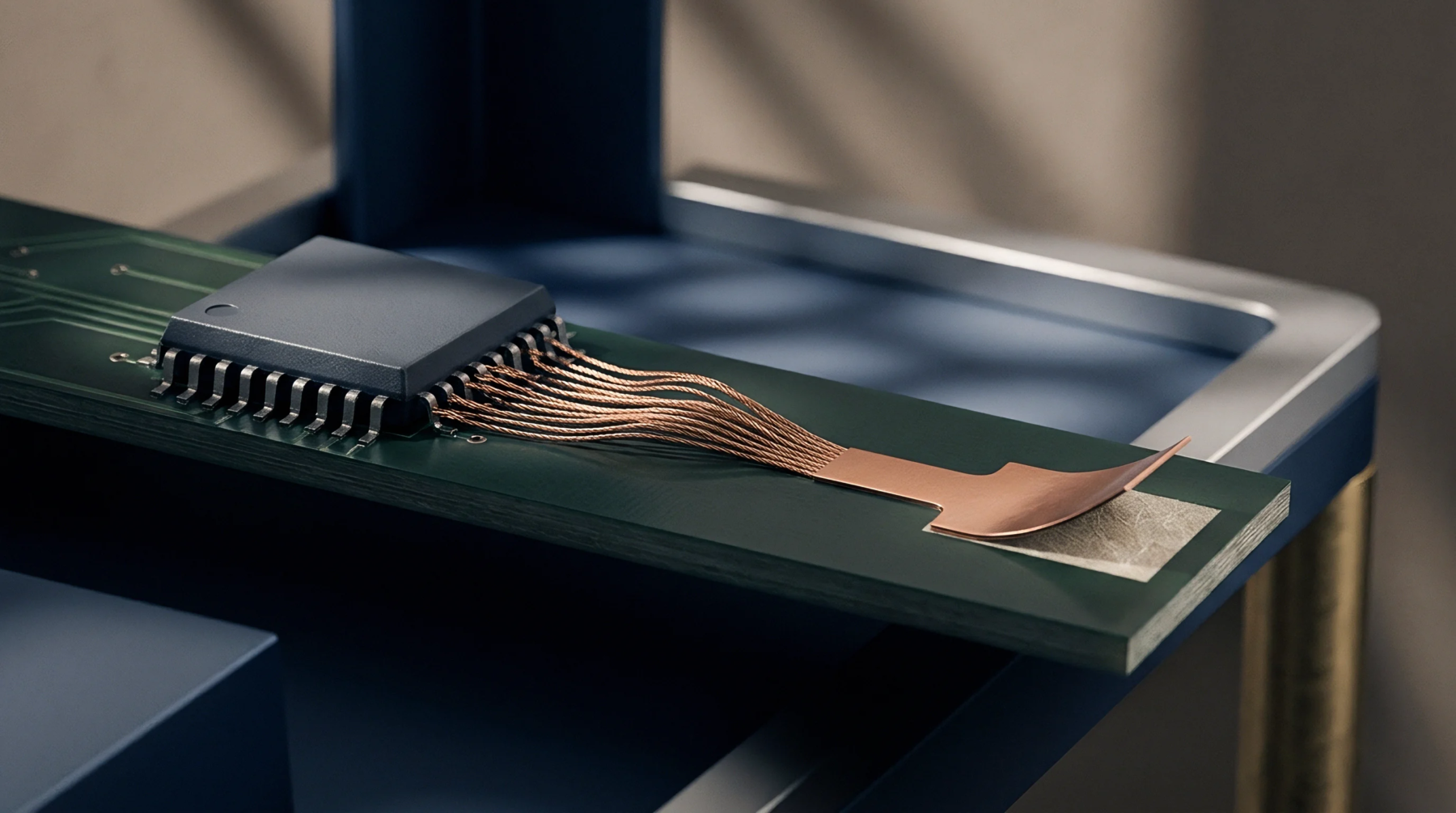
Minimizing ICT solder joint fatigue requires triaxial strain gauge profiling below 500 microstrain at actuation speeds under 1,000 microstrain per second.
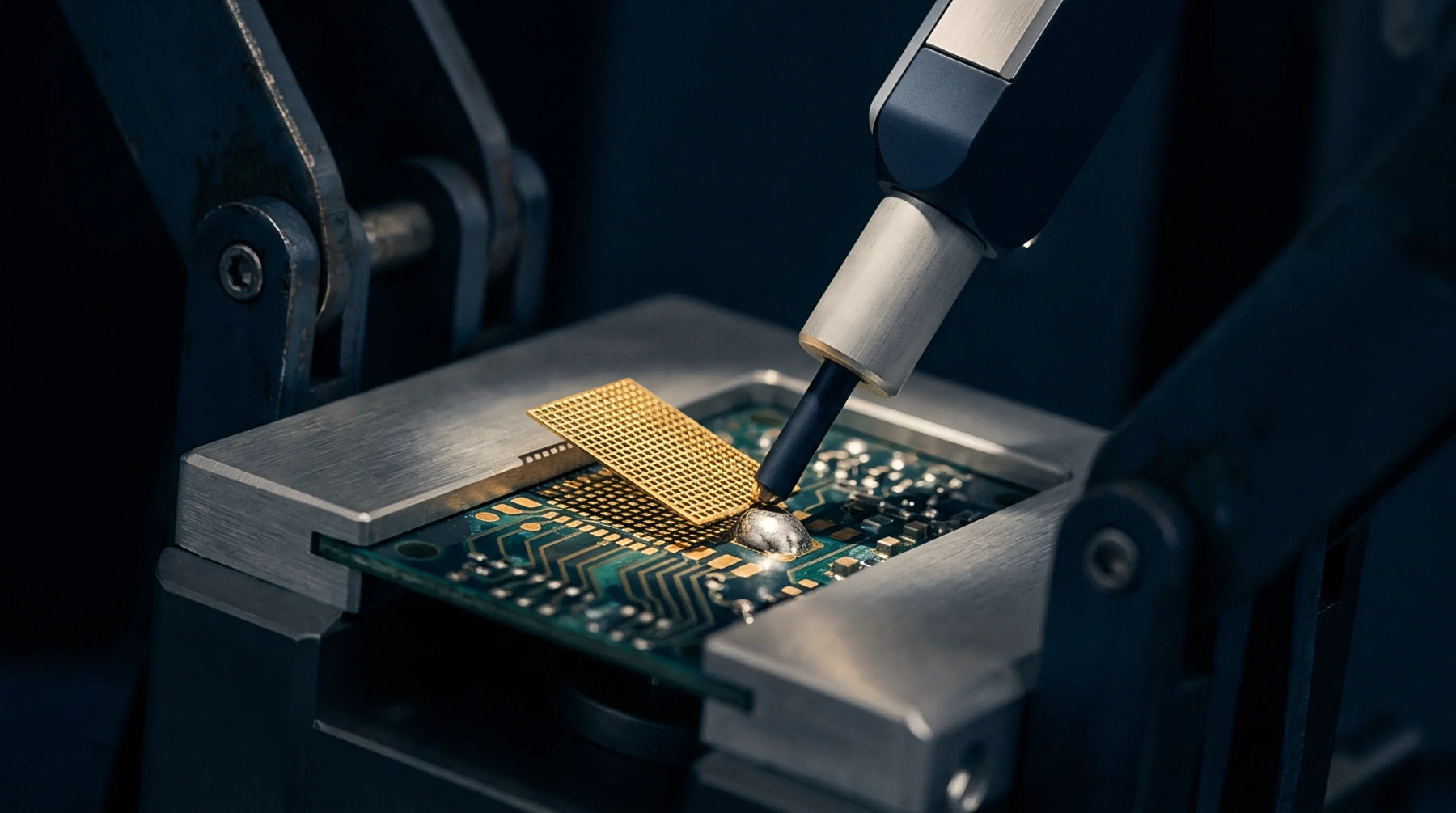
Vacuum test fixture support pin density and strategic probe counter-balancing prevent structural PCB flexure and fragile surface-mount component fracture.
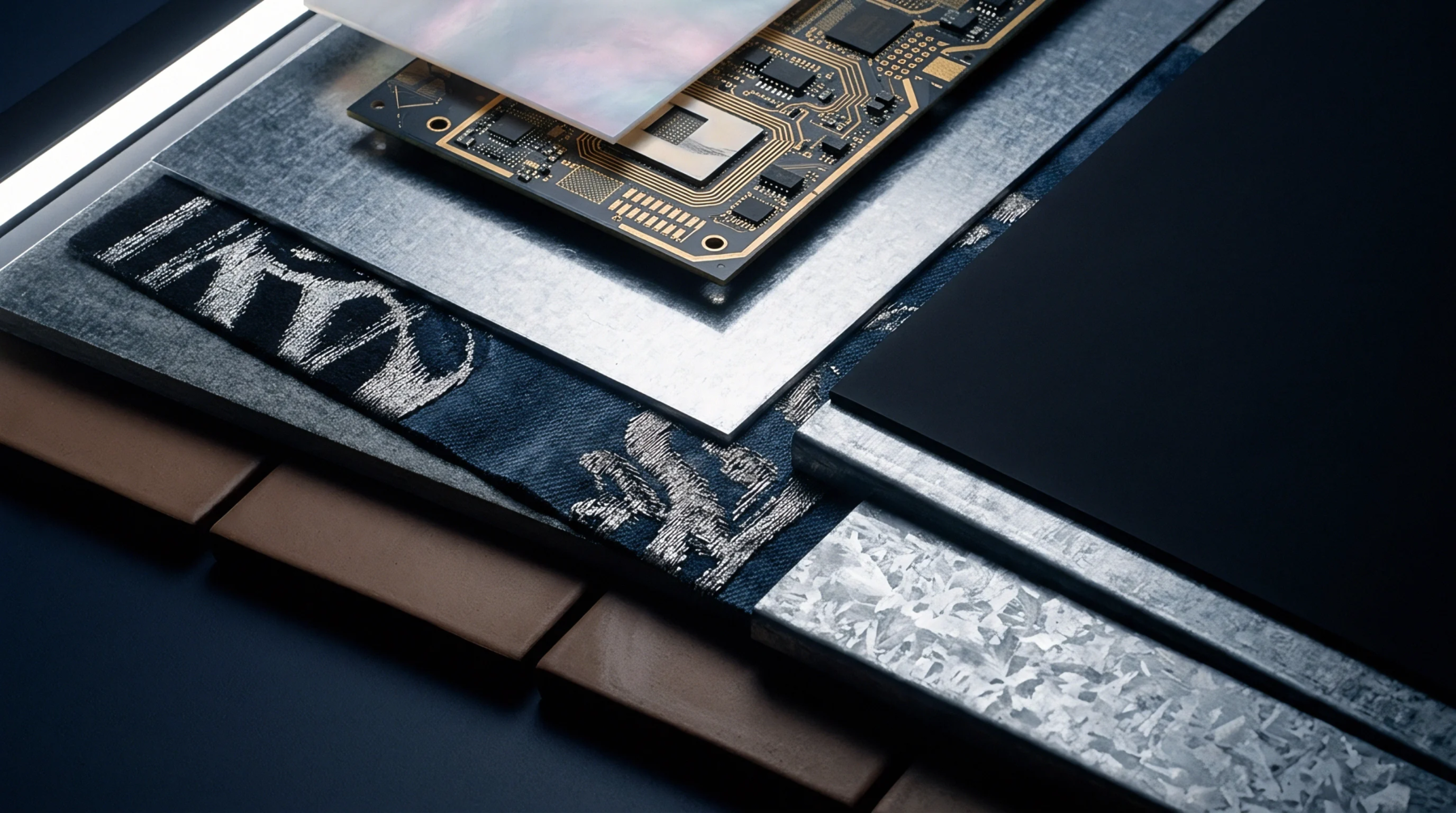
Non-linear platen thermal modeling eliminates extended panel registration drift by applying dynamic, localized vector scaling during laser direct imaging.
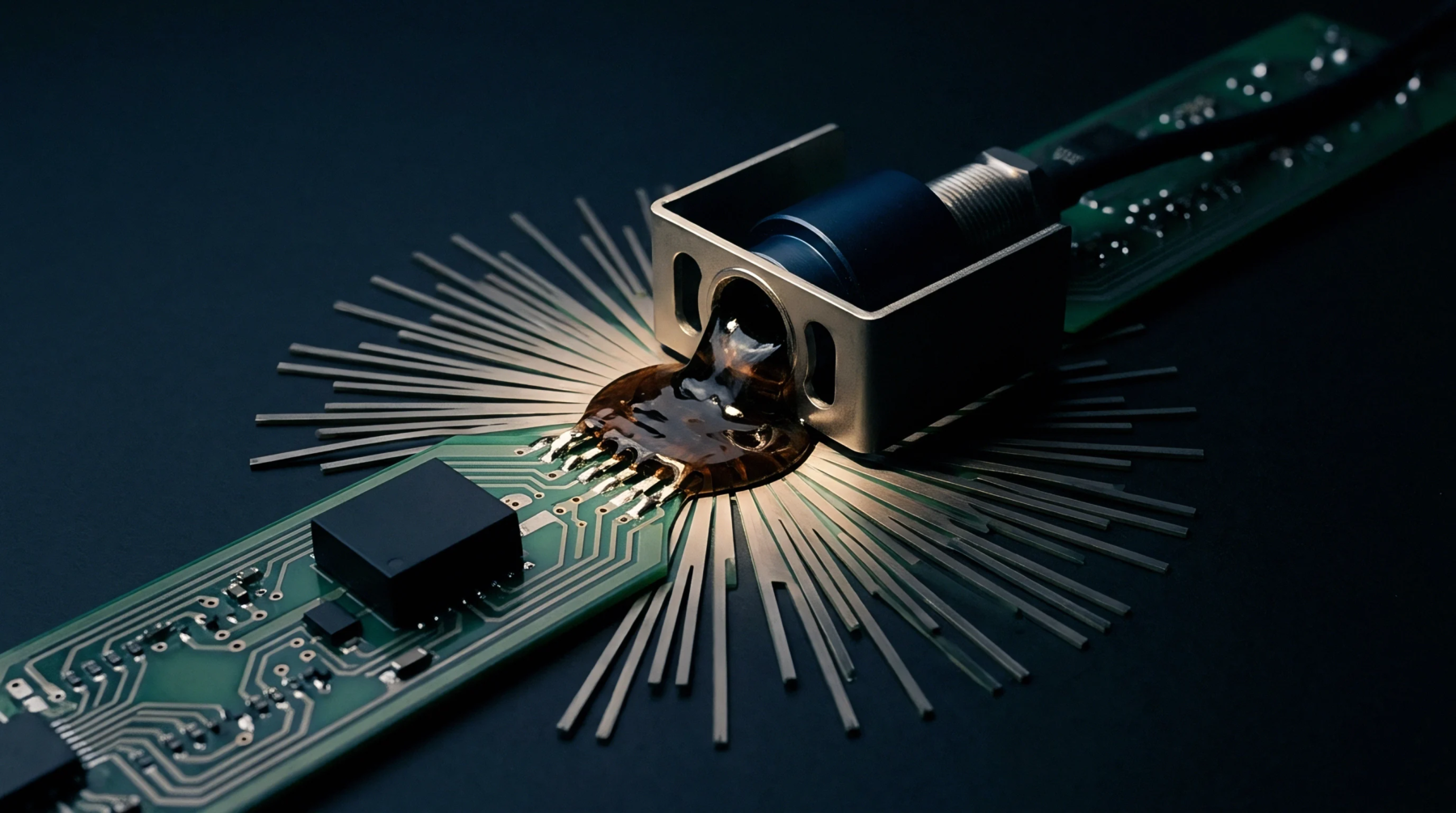
Bed-of-nails test fixtures demand empirical strain gauge verification to ensure dynamic microstrain levels stay below component limits and prevent latent pad cratering.
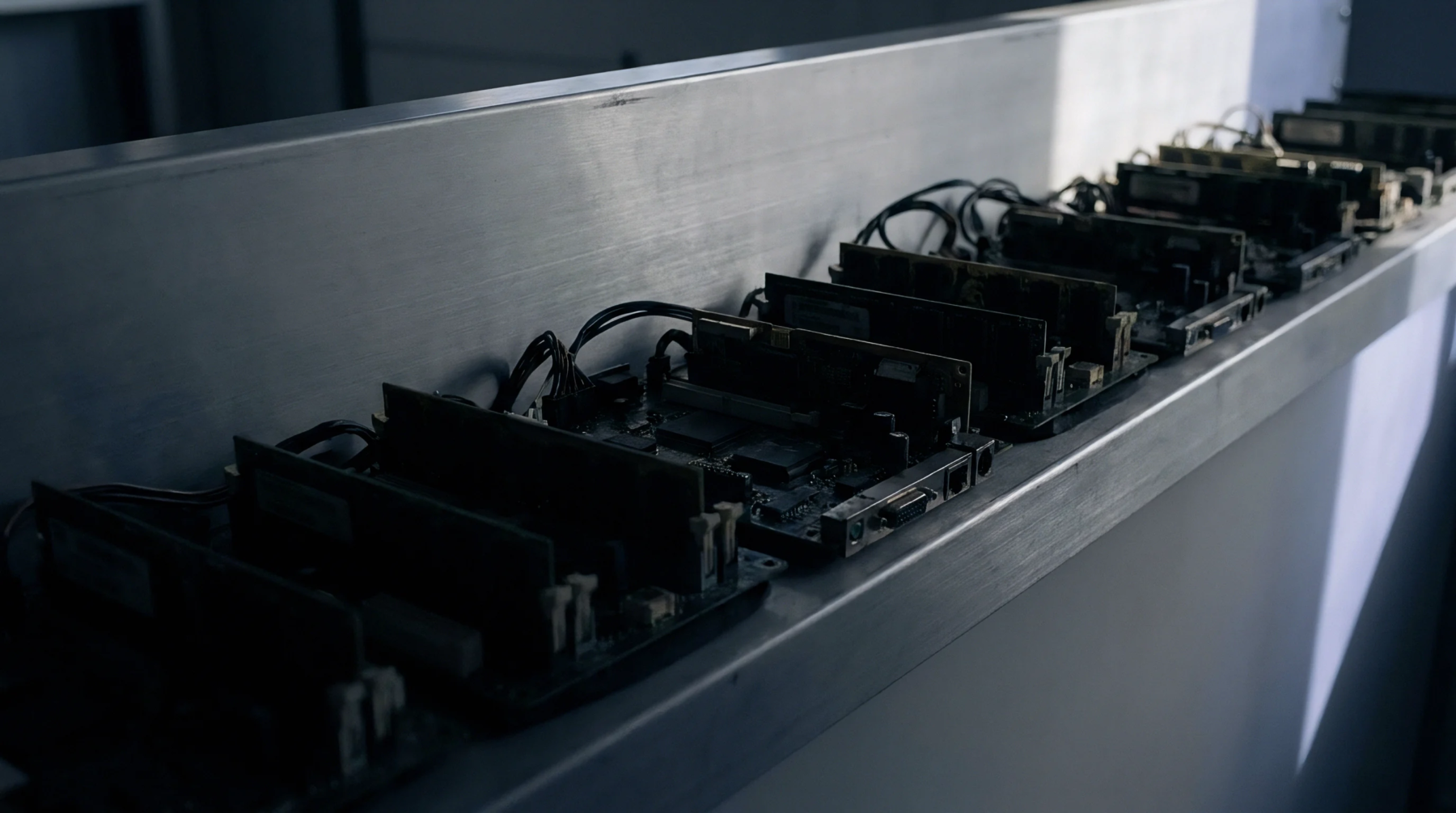
Enforce IPC/JEDEC-9704 strain budgets and maximum 5% intermetallic planar void limits in assembly contracts to hold manufacturers liable for latent solder joint shear failures.
Expertise is a utility, not a secret. sentiention™ publishes its working knowledge as open reference: intelligence layer covering the materials it sources, the markets it enters, and the reference that serves both.