
Quantifying Solder Rise in Plated through Holes
Vertical solder rise quantification in plated through holes requires balancing pin-to-hole clearance, paste volume overprints, and thermal profile mass.
Vertical solder rise quantification in plated through holes requires balancing pin-to-hole clearance, paste volume overprints, and thermal profile mass.
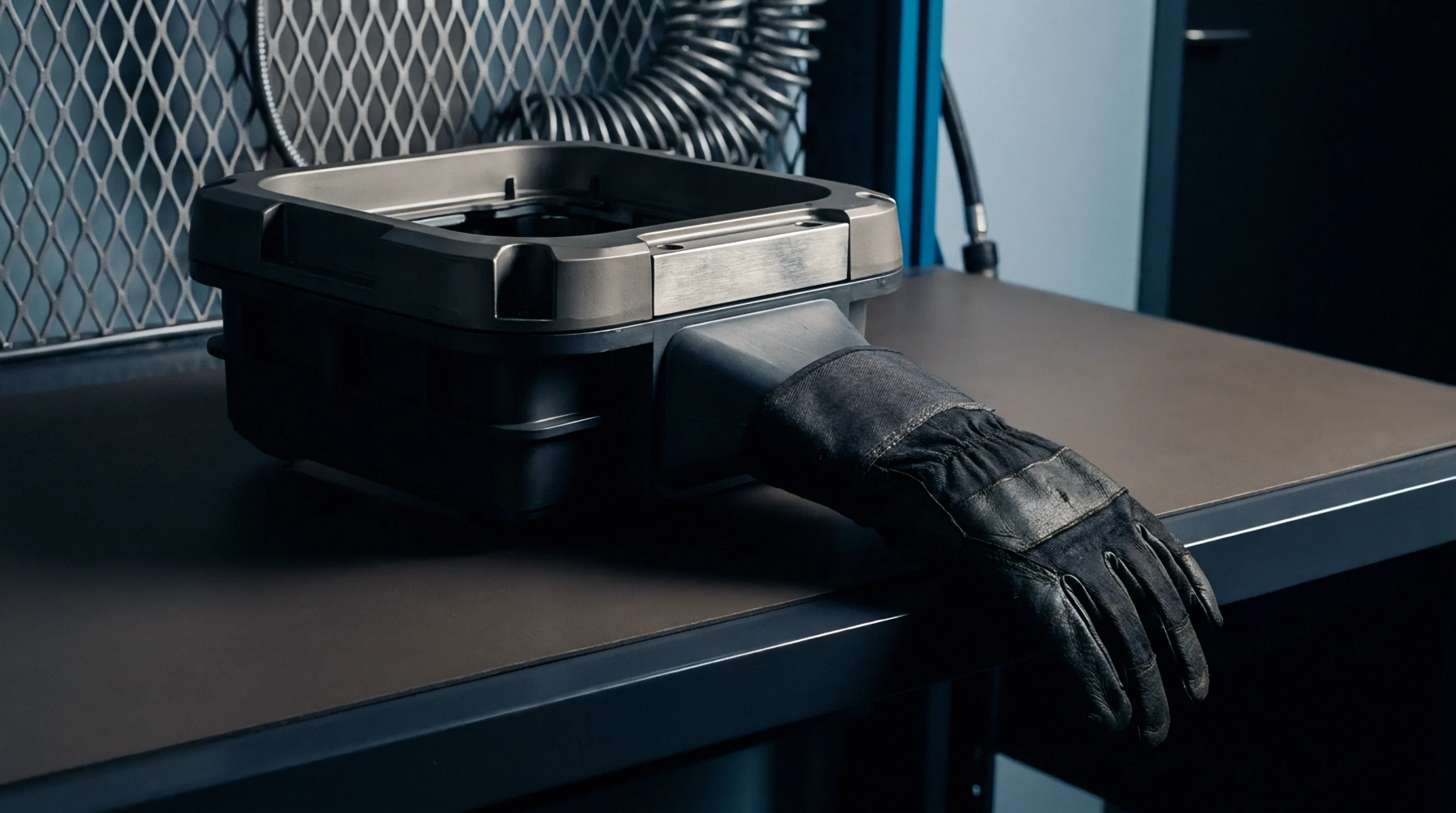
IPC-A-610 specifies plated through hole assembly requirements by class, mandating seventy-five percent vertical solder fill for Class 3 high-reliability builds.

3D AOI achieves zero point five micron height resolution to verify zero two zero one solder fillets while suppressing false calls below fifty ppm.
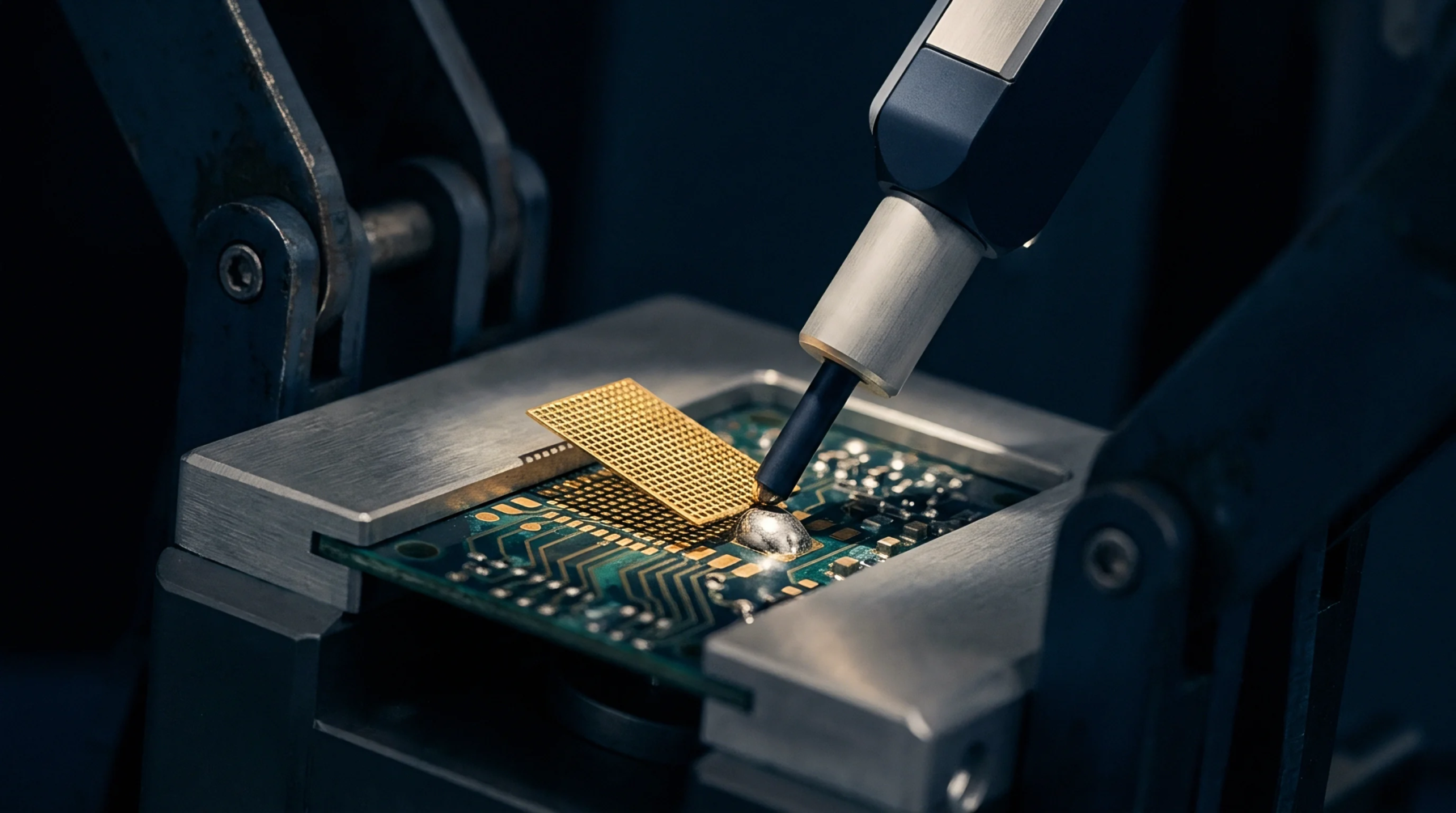
Measuring power via wetting demands calibrated transmission radiography verified by selective microsections to separate true wall adhesion from detached solder plugs.
Contractual labor chargebacks allocate false call review costs when automated optical inspection pseudo-defects breach agreed parts-per-million thresholds.

Production lines run stable when automated inspection yields fifty false calls per million solder joints without suppressing defect classification algorithms.
Statistical ROC tuning balances false calls against defect escapes to optimize 3D inspection height thresholds on fine-pitch SMT assemblies.
Expertise is a utility, not a secret. sentiention™ publishes its working knowledge as open reference: intelligence layer covering the materials it sources, the markets it enters, and the reference that serves both.