Structural Schema
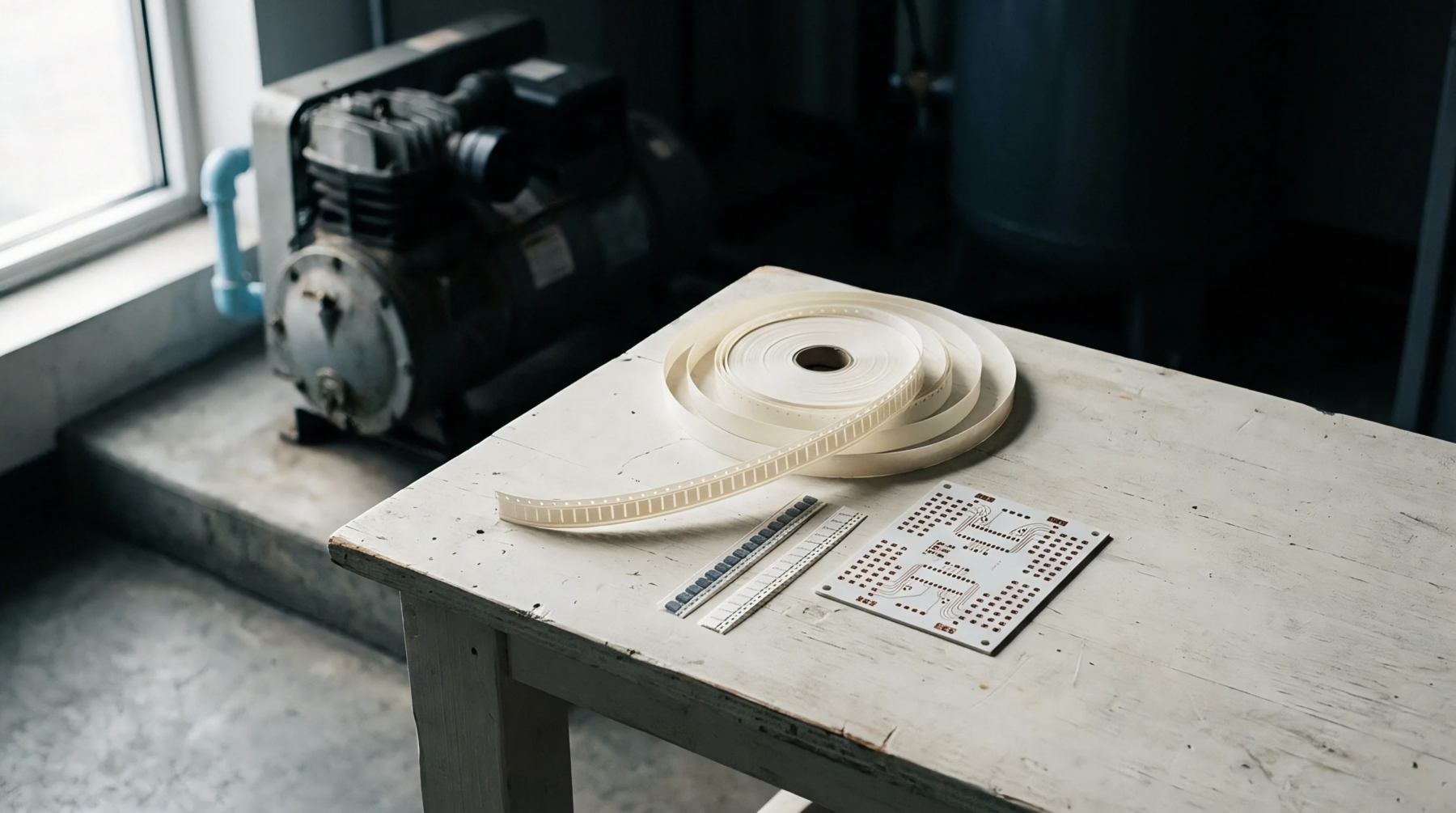
Hierarchical documentation lists every raw material, component, sub-assembly, and quantity required to manufacture a finished printed circuit board assembly. A finalized bill of materials specifies the manufacturer part number, package type, designator location, and distributor options for each line item. The document establishes the master checklist during the entire production lifecycle, ensuring that the assembly house mounts the correct parts.
Assembly Integration
Pick-and-place files draw directly from the document to link component coordinates with the correct feeder locations on the assembly line. Software parsers extract the part numbers from the bill of materials to verify that package footprints on the physical board match the delivered components. Any mismatch between the database and the physical board stalls the setup phase, requiring manual intervention to resolve discrepancies.
This alignment prevents costly machine crashes and misplaced components during high-speed placement.
Procurement Risk
Sourcing dynamics introduce volatility when specified components become obsolete or face extended lead times. Alternate parts must be approved and documented on the bill of materials to avoid line down situations. If an unapproved substitute is placed on the board, the electrical performance can suffer from unauthorized tolerance deviations.
Supply chain managers scan these documents for single-sourced parts that represent single points of failure. Having pre-cleared alternatives on the list allows the purchasing department to buy from multiple distributors when stock levels fluctuate, ensuring a continuous manufacturing flow. This strategic list design protects the production timeline against unexpected component shortages.