Signal Containment
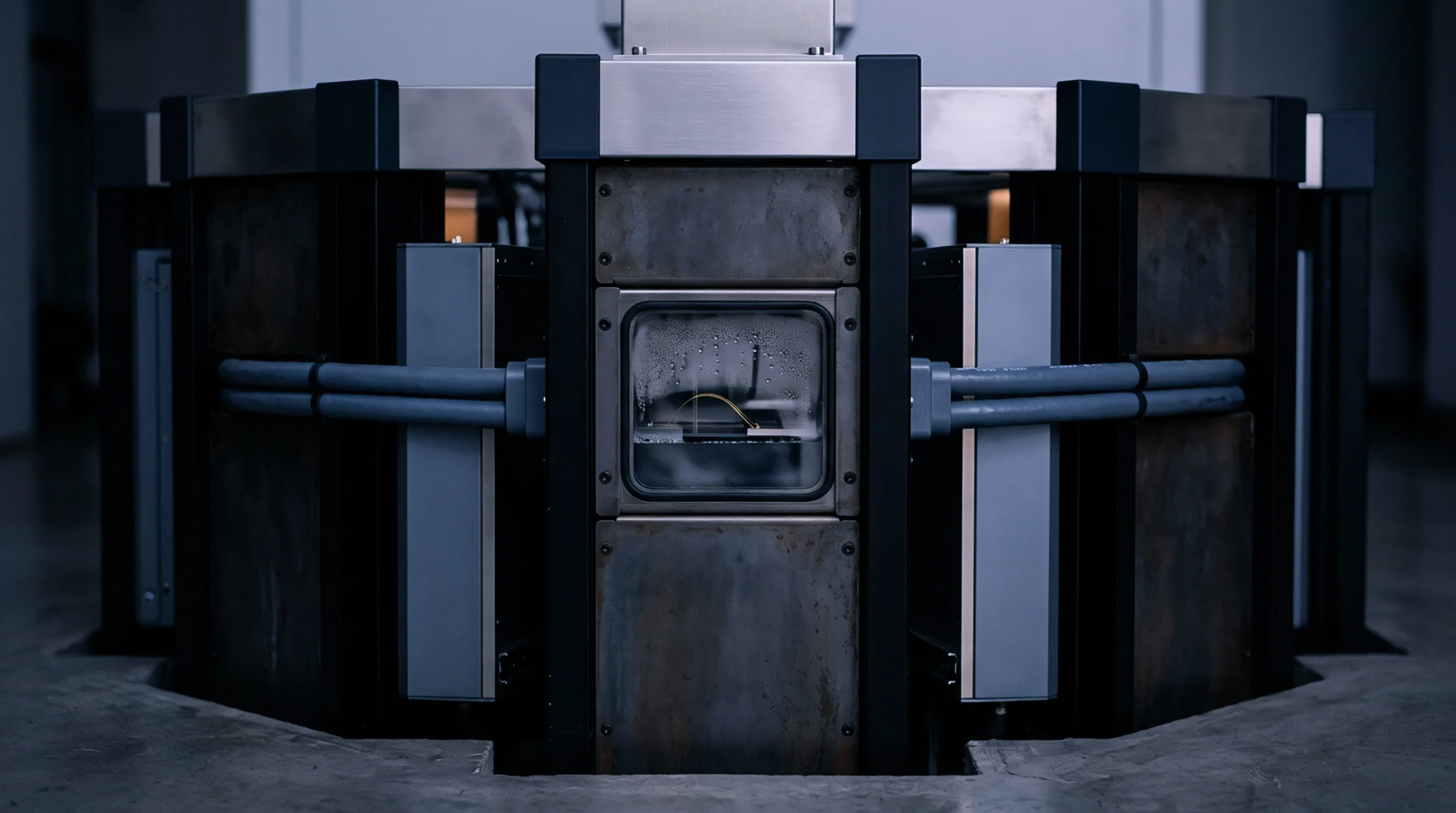
Electromagnetic energy trapped within a metal housing creates a localized field intensity at specific frequencies. This cavity resonance occurs when the internal dimensions of a shielding enclosure support a standing wave pattern related to the wavelength of an internal signal. Such phenomenon impacts electromagnetic compatibility by allowing unintended coupling between board traces or discrete components despite the presence of an outer metallic layer.
High frequency oscillators or digital clocks operating near these characteristic frequencies trigger internal field amplification. Proper sizing of the box or the inclusion of microwave absorbing material inside the assembly geometry prevents the gain of these standing waves during high speed operation.
Fabrication Geometry
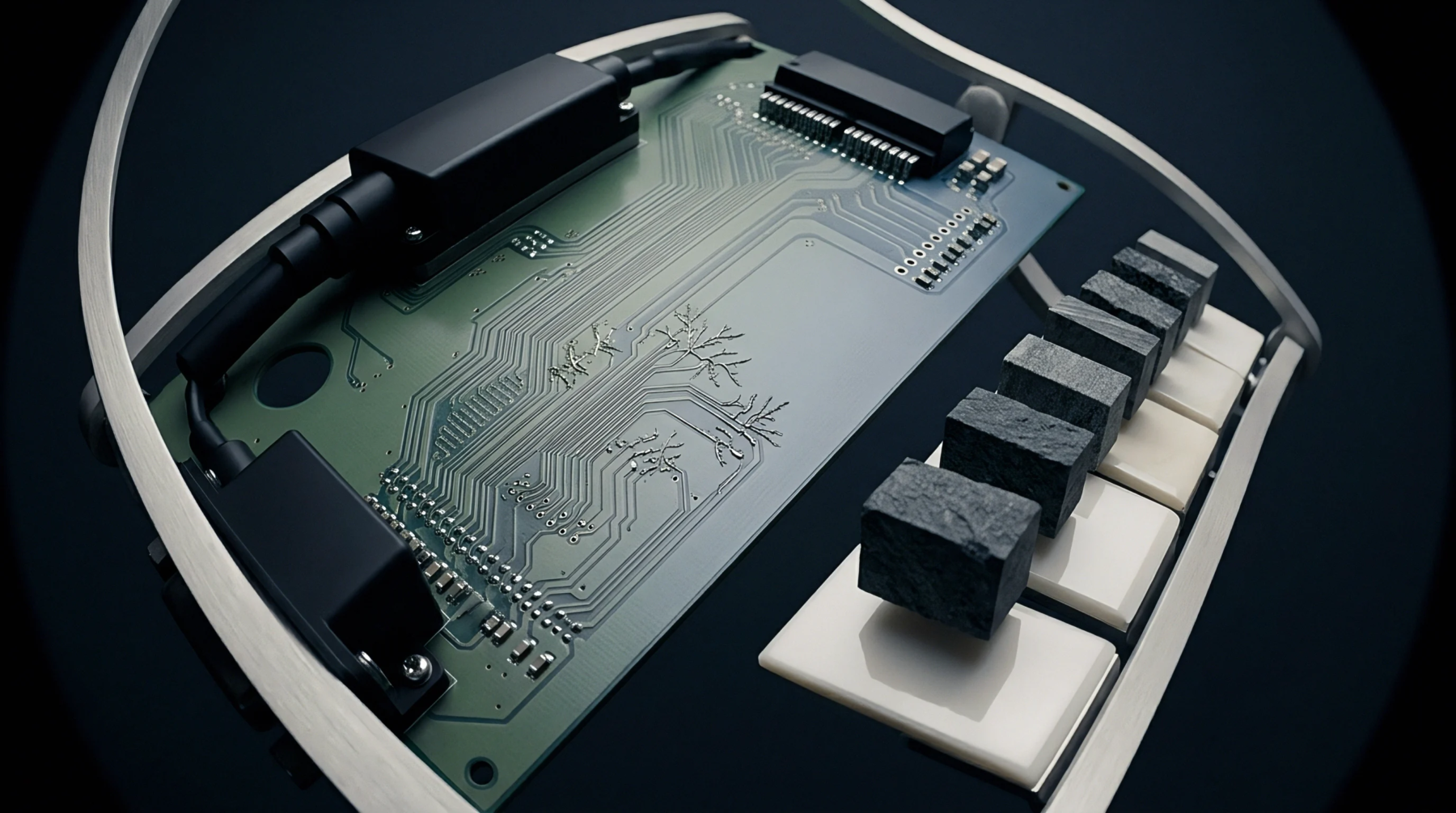
Mechanical tolerances of the internal enclosure define the fundamental frequency points where unwanted energy storage occurs. When the physical length of the chamber matches a multiple of the half wavelength for a signal, the structure functions as an unintended filter. Designers verify the box dimensions during the early stage of layout to ensure the lowest mode remains above the operational bandwidth of the circuits.
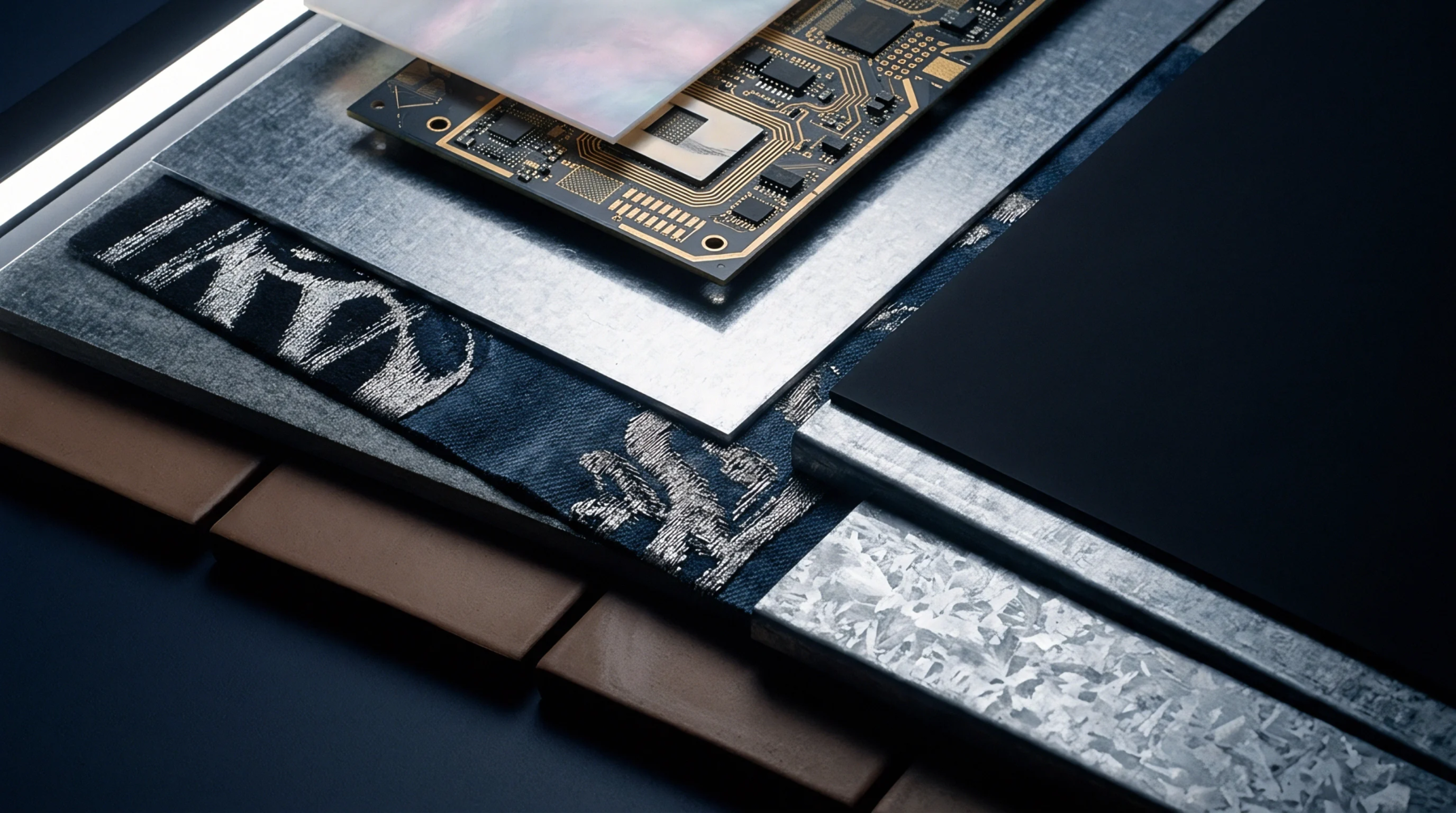
Changes in the plating thickness or the presence of nonconductive gaps between side walls shift the modal response of the chamber. These internal cavities act as secondary radiators when leakage exits through seams or connector openings. Attenuation measurements verify the effectiveness of the containment strategy through specialized test fixtures that scan across the spectrum.
High resolution simulation software models these modes before metal cutting occurs to prevent rework of the finalized hardware.
Assembly Suppression
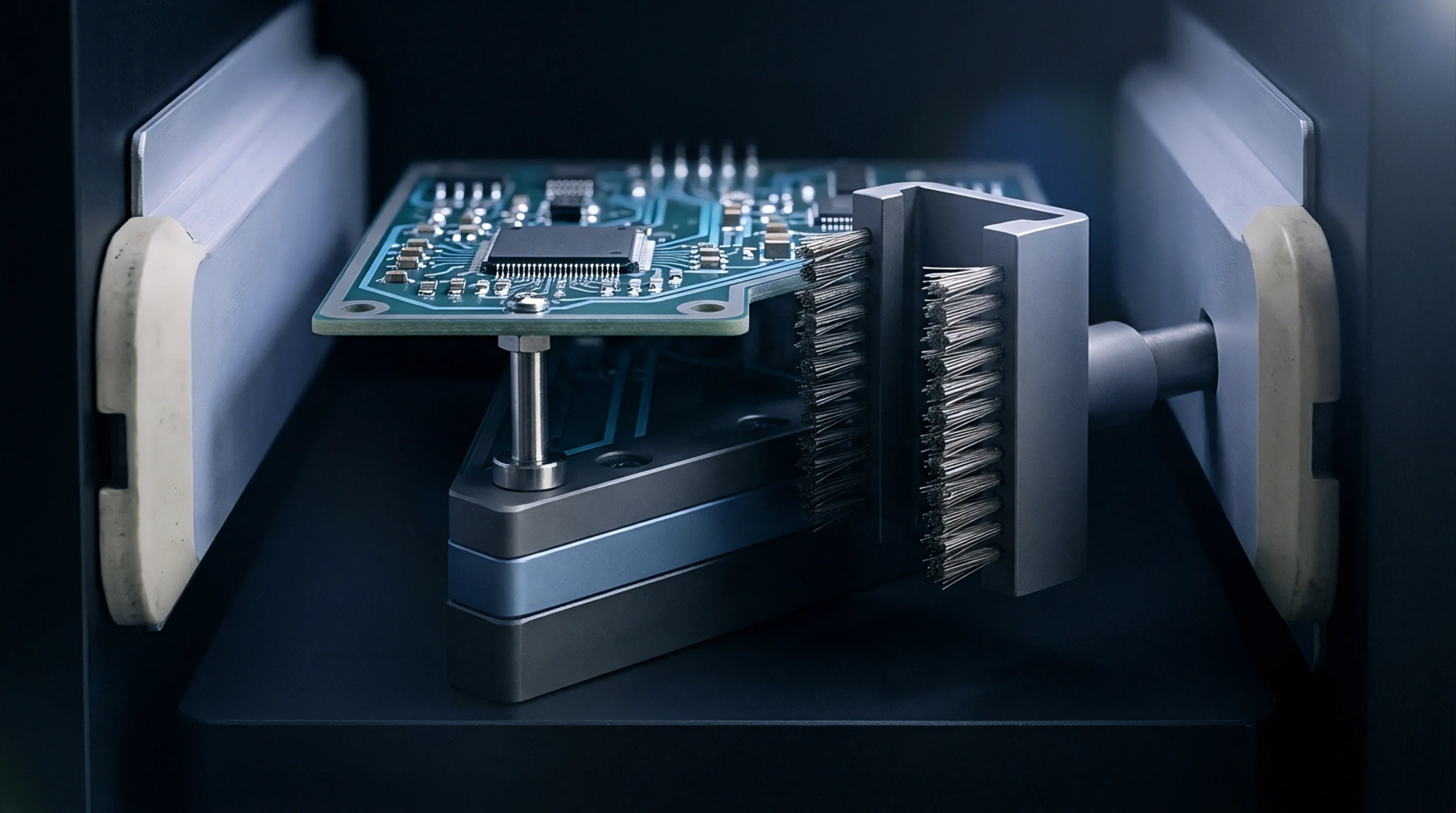
Internal conductive foam or adhesive microwave absorbers reduce the quality factor of the chamber to damp the amplitude of standing waves. Technicians install these materials at positions of maximum field intensity inside the housing to dissipate energy as heat rather than allowing signal propagation. Tightening the bolt spacing on covers prevents leakage paths that lower the shielding effectiveness and shift the resonant characteristics.
Periodic testing confirms that the internal environment remains quiet throughout the full clock cycle of the high speed processor. Proper dampening of these modes maintains signal integrity by preventing the reflection of noise back onto sensitive input stages. Active suppression through material placement controls the electromagnetic environment within the confined space of a circuit enclosure.