Dynamic Zonal Boundary Layer Compensation Models for Ultra High Density Millimeter Wave Interconnects
Modulating trace geometries against local interfacial dielectric gradients stabilizes phase velocity across millimeter wave interconnects.
Modulating trace geometries against local interfacial dielectric gradients stabilizes phase velocity across millimeter wave interconnects.
Boundary slip velocity models replace empirical roughness factors with electron specularity parameters, predicting insertion loss and phase delay up to 110 GHz.
Managing anisotropic permittivity and glass weave dispersion prevents timing jitter and intra-pair phase skew in gigabit differential interconnects.
Sequential lamination induces non-linear dielectric relaxation at glass-resin interfaces, shifting Dk up to 0.14 and altering impedance by over 4 ohms.
Modelling interfacial roughness on hydrophobic polyimide requires 3D Sdr metrics and Huray models to balance mmWave attenuation against peel strength limits.
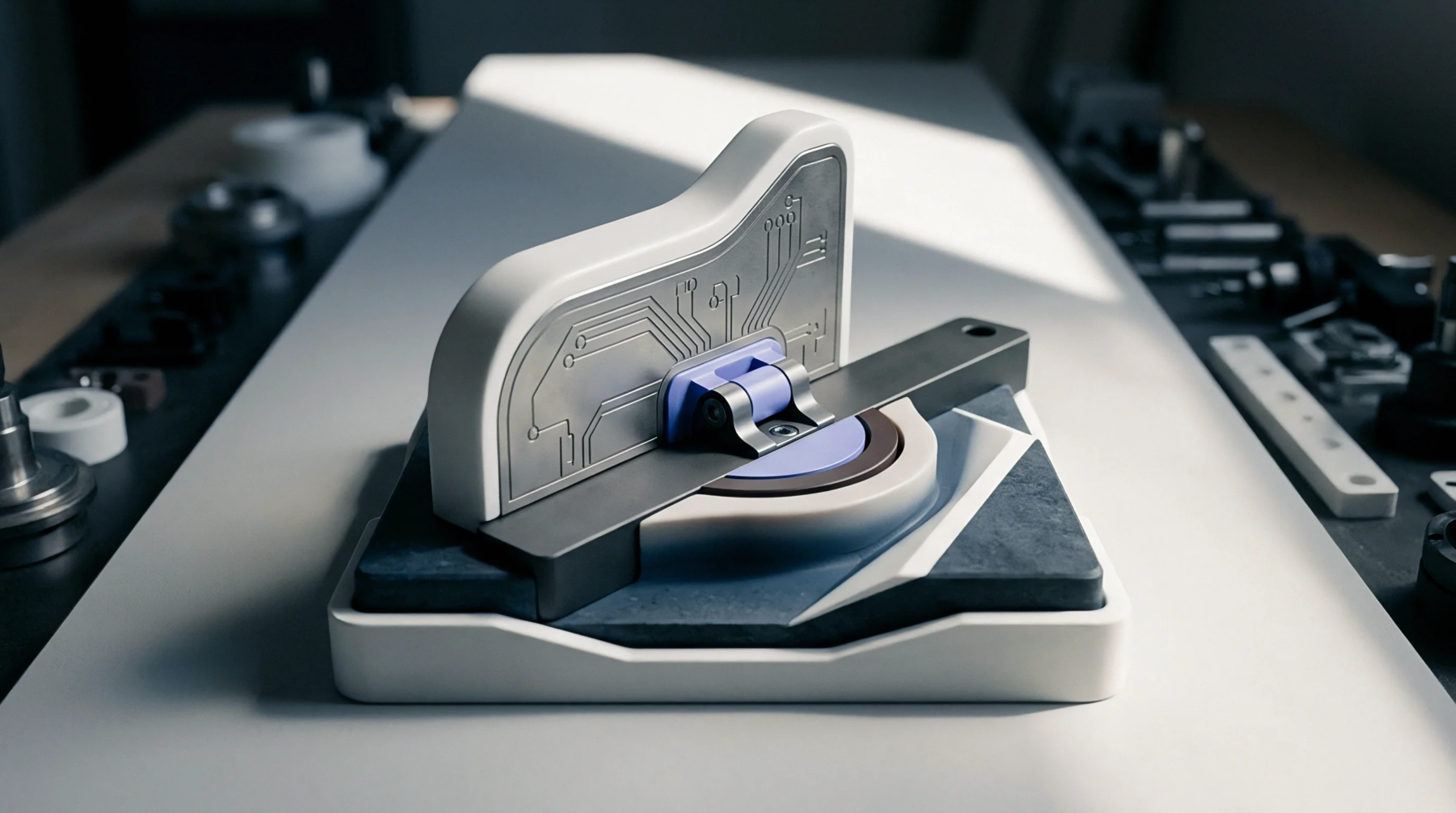
Accurate millimeter-wave substrate modeling demands 3D tensorial permittivity and causal frequency dispersion to prevent impedance and differential skew errors.
Expertise is a utility, not a secret. sentiention™ publishes its working knowledge as open reference: intelligence layer covering the materials it sources, the markets it enters, and the reference that serves both.