Contact Resistance
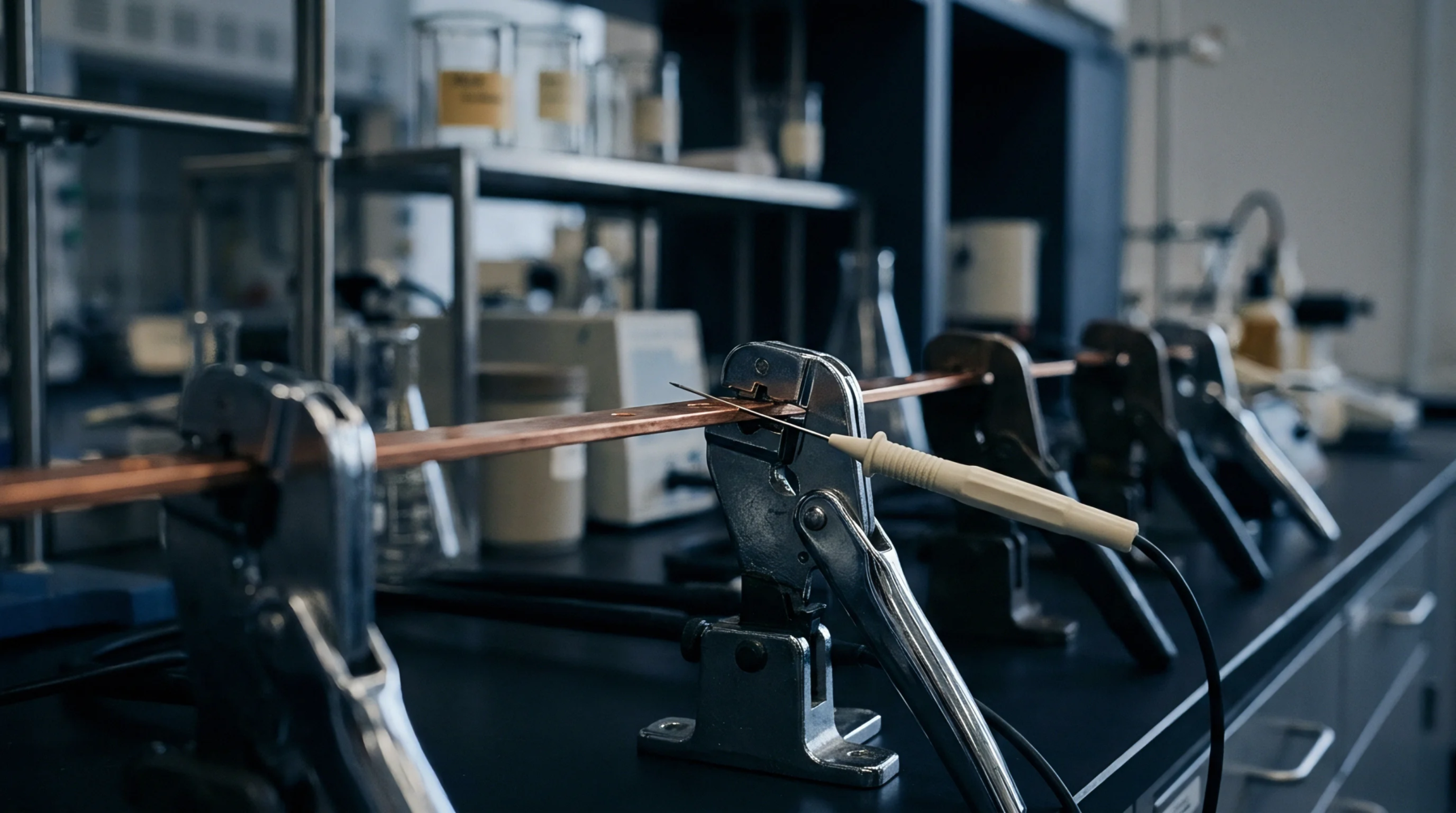
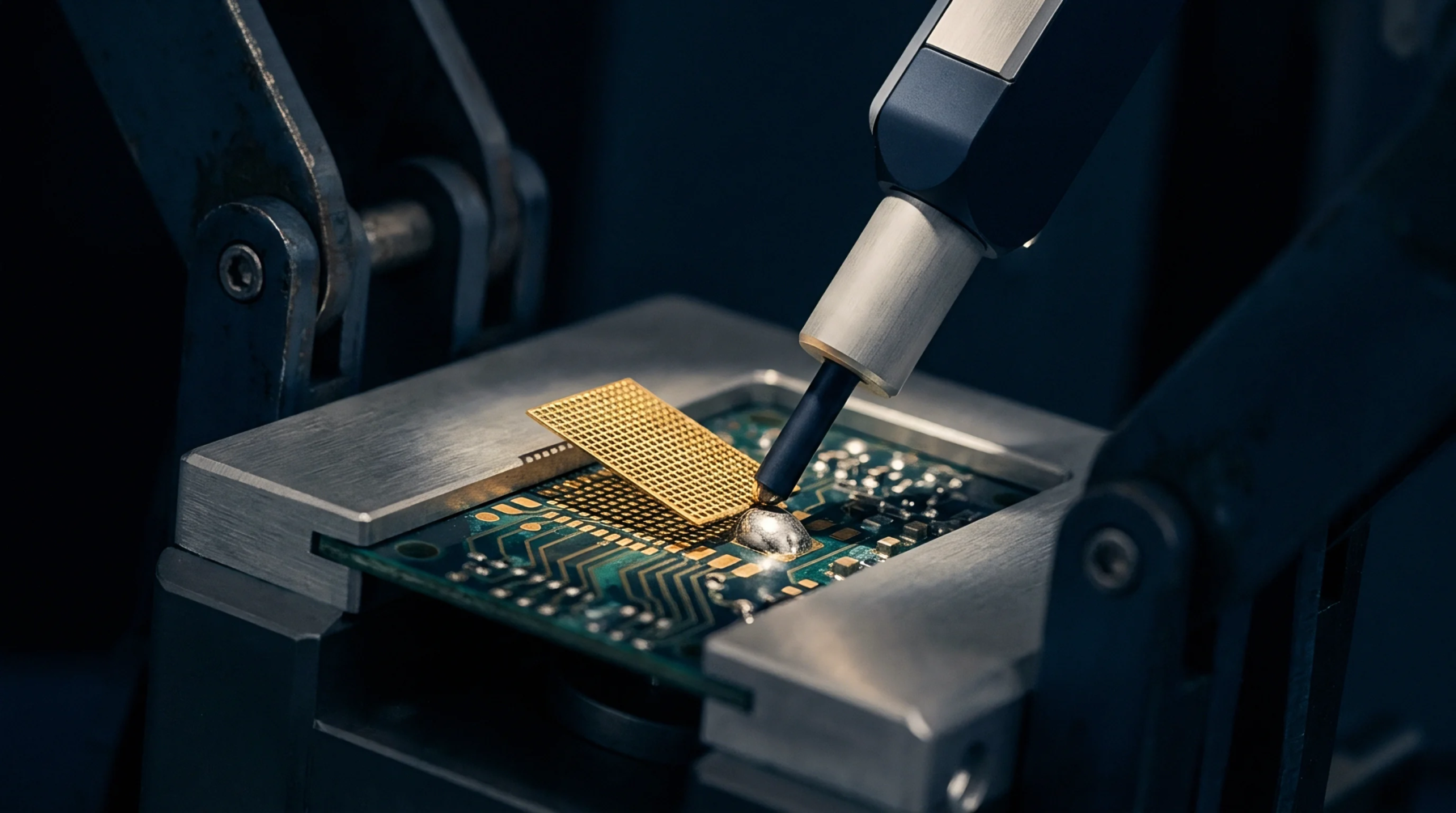
Mechanical compression against an electrical test point defines spring probe force. Engineers specify spring probe force in grams or centinewtons to ensure a stable low resistance connection between the test fixture and the circuit board. The amount of travel required to achieve this pressure depends on the internal spring constant and the physical length of the probe barrel.
Variations in this pressure cause inconsistent measurements during in-circuit testing or functional verification.
Travel Calibration
Proper contact requires the probe to compress to a defined working distance beyond initial touch. Designers calculate this distance by accounting for the spring rate and the target load needed to pierce surface oxides or solder flux residues. Insufficient travel produces high resistance readings that fail good boards, while excessive travel damages fragile test pads or shortens the lifespan of the probe tip.
Periodic adjustment of the fixture deck restores correct compression levels when probes show signs of mechanical fatigue.
Performance Expectation
Reliability in production testing depends on maintaining a consistent spring probe force across thousands of cycles. Fatigue in the helical spring material leads to a gradual decline in tip pressure which eventually results in intermittent open circuits during high speed testing cycles. Technicians replace probes once the spring tension drops below the manufacturer specifications for the specific test application.
Stable contact mechanics support accurate signal integrity and consistent pass or fail results in mass assembly environments.